This morning, I woke up with my female cats, made myself a cup of coffee, and got to work. I took a break to lift some weights, then sent more emails. Finally, after dinner, it was time for bed before another long, hard day of being a woman.
I know what you’re thinking: why is this woman so determined to put the word “girl” in front of all her ordinary activities, and why is she infantilising herself when she’s clearly an adult? It’s a fair question. Since the pandemic, when “hot girl walks” became one of the first big TikTok trends after Megan Thee Stallion’s 2019 song Hot Girl Summer, this way of talking has spread everywhere, both in person and online.
Today you might be a “clean girl” (wearing natural-looking makeup), a “cool girl” (acting unbothered), or a “tomato girl” (whatever that means). But insisting you’re an adult woman makes you seem like a killjoy. This trend infuriates me to an unreasonable, even antisocial degree.
I lost my patience while on holiday in Paris with my poor sister, whose innocent suggestion of a lighter evening meal set off a rant that only stopped when our charcuterie board arrived. It turned out I was just hungry, and I apologised for going off. On the bright side, my sister hasn’t said “girl dinner” around me since.
I know my reaction is out of proportion—it’s just fun, a lighthearted way to find humour in everyday life. You could argue the “girl” trend is an attempt to celebrate young women, a powerful cultural force that has historically been dismissed (see: pop music). Since girls are often raised to take care of others, some women may be trying to recapture the playfulness and freedom they were denied as children.
You might also reasonably say: it’s not that serious. But I’d argue the “girl” trend is far from harmless. For one, it often serves as a cover for consumerism, with new beauty products and fashions pushed with each new version. More importantly, the trend is self-infantilising and insidious, all the more so for seeming so innocent. In an equal world, sure, grown women could joke about being just girls, happily free from responsibilities like voting; but when so many are actively working to take away our rights, it feels like we’re helping them.
With women’s rights “regressing worldwide,” according to the UN, we can’t risk giving ammunition to those who want to take them away; we should stand firm in our political power and express it at every opportunity. Today’s girls are counting on us.
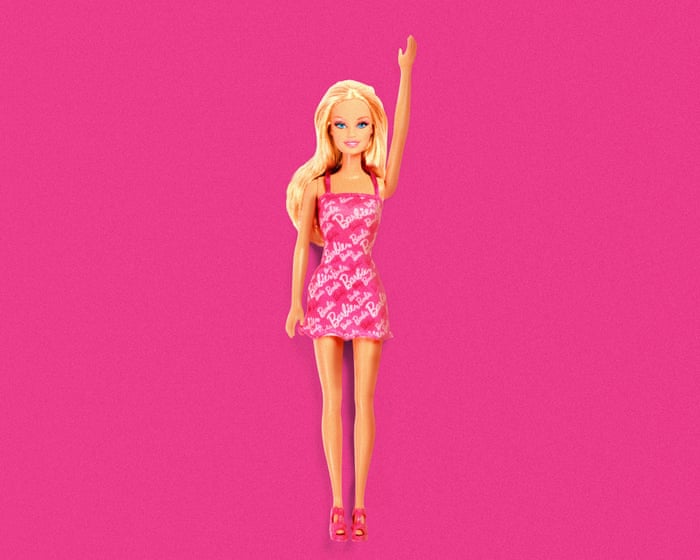
Meanwhile, whenever I hear grown women talking about their hot girl walks or clean girl makeup or messy girl desks, I’m reminded of Malibu Stacy, the Barbie-parodying doll from The Simpsons, emptily chirping “Don’t ask me—I’m just a girl!” Lisa Simpson, an actual child, didn’t play along, and I won’t either.
Frequently Asked Questions
Here is a list of FAQs based on Elle Hunts article My firm belief not everything is a girl thing stop gendering and infantilising it all
What is the main point of Elle Hunts article
Hunt argues that society unnecessarily labels many everyday objects behaviors and preferences as girl things She believes this habit is both sexist and childish and it limits how people understand themselves and the world
What does gendering mean here
Gendering means attaching a gender to something that has no actual gender like a drink a color a hobby or an emotion
What does infantilising mean in this context
Infantilising means treating adult women like children When people call something a girl thing they often mean it is silly small or not serious which disrespects grown women
Why is calling something a girl thing a problem
It suggests that womens interests are trivial and that men should avoid anything labeled feminine It also pressures women to like certain things just because of their gender
Can you give some examples from the article
Hunt mentions things like drinking pink cocktails enjoying baths liking cute animals and even having certain emotional reactions None of these are actually femaleonly
Is this the same as saying toxic masculinity
It is related Both ideas come from strict gender rules When we say thats for girls we also imply that boys who do it are weak or wrong
Does the author want to ban gendered marketing
Not exactly She wants people to notice when gender is added for no real reason She is asking for more thought not a total ban
What is the harm in a little joke about girl math or girl dinner
The harm is that these jokes often rely on stereotypes that women are bad with money or cant cook properly They seem lighthearted but reinforce old limiting ideas
Who does this issue affect most
It affects everyone but especially women and girls who are told their preferences are less serious It also hurts men and boys who feel they must avoid feminine things
What can I do to stop gendering and infantilising things
Notice when you or others call something a girl thing Ask yourself