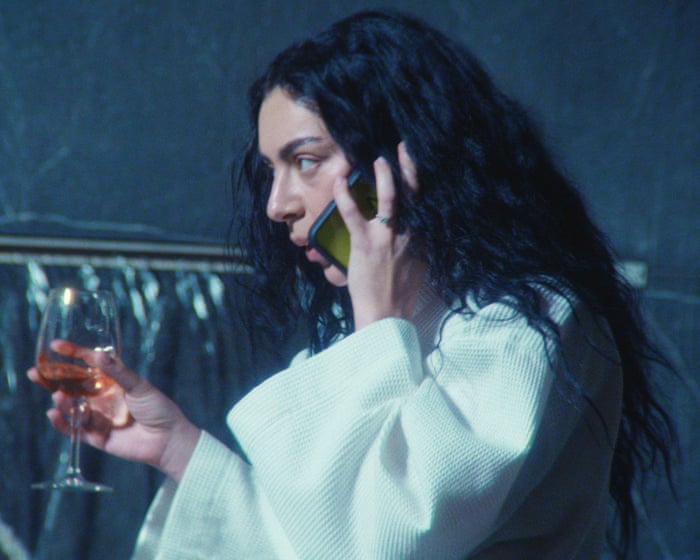
In der satirischen Mockumentary **The Moment** fürchtet Charli XCX – und nimmt schließlich an – das Ende des "Brat-Sommers", der kulturellen Welle, die ihr sechstes Album zu einem Phänomen machte. Doch der Film, in dem die Sängerin eine fiktionale Version ihrer selbst spielt, tut sich schwer, Humor in Charlis Identitätskrise zu finden, und es fehlt ihm die mitreißende Energie jenes Albums von 2024. Als ich **The Moment** kurz nach seiner lauwarmen Aufnahme beim Sundance Festival sah, spürte ich, wie etwas verblasste – doch es war nicht Brat; es war der Mockumentary-Stil selbst.
Wie konnten Mockumentaries nur so ermüdend werden? Einst eine frische Erzählmethode, brillant genutzt von Regisseuren wie Christopher Guest und dem verstorbenen Rob Reiner, fühlt sich die Mockumentary heute fast so abgedroschen an wie die formelhaften Filme, die sie zu parodieren versucht. Es ist eine enttäuschende Entwicklung. Über weite Strecken des vergangenen halben Jahrhunderts florierte die Schein-Dokumentarfilmkunst dank der verdrehten Kreativität von Comedy-Legenden, von Monty Pythons Eric Idle, der 1978 mit der respektlosen Mock-Doc **The Rutles: All You Need Is Cash** die Beatlemania verspottete, bis hin zu Albert Brooks, der sein Regiedebüt mit der 1979er Proto-Reality-TV-Parodie **Real Life** gab.
Dann brachte Reiner 1984 einen improvisatorischen Funken in die Heavy-Metal-Parodie **This Is Spinal Tap**, einen Film, der komische Genialität auf 11 drehte und eine fiktive Band schrulliger Außenseiter echter wirken ließ als ihre Pendants auf MTV. Sein Einfluss hält an; der Erfolg von **Spinal Tap** ebnete den Weg für Guests eigene Reihe von Mockumentary-Klassikern – **Waiting for Guffman**, **Best in Show**, **A Mighty Wind** –, die noch immer für ihre schrulligen Charaktere, improvisierten Dialoge und das wiederkehrende Ensemble geliebt werden. In diesen Filmen verleiht das Mockumentary-Format Charakteren, die sowohl absurd als auch völlig alltäglich sind, einen Hauch von Authentizität.
Leider hat Guest seit einem Jahrzehnt keinen Film mehr inszeniert, und neuere Mockumentaries konnten nicht an die anhaltende Anziehungskraft seines Werks anknüpfen. Dazu gehört, ironischerweise, **Spinal Tap II: The End Continues** (mit Guest), das ich ungern kritisiere – teils, weil es einige lustige Momente hat (wie einen zwielichtigen Musikpromoter, der neurologisch unfähig ist, Musik zu verarbeiten), und teils, weil seine Veröffentlichung von Reiners tragischem Mord im Dezember überschattet wurde. Doch so sehr **Spinal Tap II** sich über alternde Band-Reunionen lustig macht, fühlt es sich auch wie eine Nostalgietour an, die sich, wie viele Legacy-Sequels, anstrengt, die Magie des Originals wieder einzufangen.
In gewisser Weise spiegelt die Stagnation der Mockumentary den kreativen Niedergang von Dokumentarfilmen selbst wider, bei dem Promi-zentrierte Projekte oft mehr wie Image-Kampagnen wirken als alles andere. Wie viele glanzvolle Showbiz-Dokus verwechseln **Spinal Tap II** und **The Moment** prominente Gastauftritte mit Substanz. Mit seinen Handkamera-Aufnahmen von Charli, die zwischen Label-Meetings, Tour-Proben und Meet-and-Greets hin- und hergeschoben wird, ähnelt **The Moment** oberflächlich jenen Backstage-Dokus, die oft von den Protagonisten selbst produziert werden, doch seine Satire wirkt ziellos und fad. Eine gute Mockumentary sollte ihre Subjekte aufs Korn nehmen, ähnlich wie **Popstar: Never Stop Never Stopping** von 2016 selbstverliebte Superstars der Bieber-Ära verspottete. Doch **The Moment** bietet ein wirres Porträt von Charli und bewahrt seine schärfsten Spitzen für einen pompösen, unternehmensorientierten Regisseur auf – unvergesslich gespielt von Alexander Skarsgård –, der ihr Image für einen familienfreundlichen Konzertfilm säubern will.
In dieser Ära allzu devoter Promi-Dokumentationen müsste **The Fall and Rise of Reggie Dinkins** die perfekte Satire sein. Diese neue NBC-Sitcom hat eine herrlich meta Prämisse: Es ist eine dokumentarfilmartige Serie, die teilweise über die Herstellung eines Dokumentarfilms handelt. Tracy Morgan glänzt als abgehalfterter Ex-NFL-Spieler, der einen Oscar-prämierten Filmemacher, Arthur Tobin (Daniel Radcliffe), engagiert, um sein Image zu reparieren. Das einzige Problem ist, Tob... Der Wunsch, einen authentischen Film zu schaffen und keine polierte Werbung für Dinkins, ist klar. Doch "The Fall and Rise" fühlt sich nie wie das echte Ergebnis von Tobins Filmemachen an; es wirkt künstlich. Von Veteranen von **30 Rock** geschaffen, verlässt sich die Serie auf witzige Einzeiler und scharfe Pointen – ein Stil, der ihrem Anspruch auf Mockumentary-Realismus entgegenwirkt. Während sie als Plattform für Morgans unbeholfenen Charme dient, fehlt der Serie der natürliche Fluss und die Chemie, die großartige Mockumentaries zum Leben erwecken.
Beunruhigender ist, wie der amerikanische rechtsgerichtete Podcaster Matt Walsh das Genre 2024 mit seiner oberflächlichen Abhandlung über Diversitätsinitiativen, **Am I Racist?**, herabwürdigte. In diesem offen provokativen Werk durchläuft Walsh die Bewegungen, eine DEI-Zertifizierung zu erhalten, an antirassistischen Workshops teilzunehmen und die Rolle eines "woken" Kritikers zu spielen – im Wesentlichen dehnt er einen "getriggert, Libs???"-Tweet auf einen Spielfilm aus. Er trifft auf einige opportunistische Figuren, die von weißer Schuld profitieren, bleibt aber irgendwie die unerträglichste Person in jeder Szene.
Obwohl Walsh einen peinlichen Stunt hinlegt, indem er **White Fragility**-Autorin Robin DiAngelo dazu bringt, 30 Dollar Reparationen an einen zufälligen schwarzen Produzenten zu zahlen, scheitert er daran, die Dokumentarform vollständig zu nutzen, und schneidet oft zu geskripteten Sketchen mit einer Diner-Kellnerin. Sein Ziel ist nicht, sein Publikum herauszufordern oder zu informieren, sondern dessen bestehende Überzeugungen zu bestärken – insbesondere, dass weiße Vorherrschaft nicht real sei und Rassismus eine liberale Erfindung sei.
Hoffnung für die Mockumentary liegt in kleineren, raueren Projekten wie **Rap World** (2024) und **Nirvanna the Band the Show the Movie** (2026). Der erste, unter der Regie von Conner O’Malley und Danny Scharar, begleitet vier Freunde, die 2009 im vorstädtischen Pennsylvania ein Rap-Album aufnehmen, und fängt die grobe, DIY-Ästhetik des späten 2000er-Jahre-YouTube mit beunruhigender Genauigkeit ein. Der zweite, eine wilde Buddy-Comedy basierend auf der Web-Serie **Nirvanna the Band the Show**, nutzt clever selbstgebaute Kameraeinstellungen und "echtes" Filmmaterial von Matt Johnson und Jay McCarrol, die mit Toronto-Passanten interagieren, und lässt eine absurde Zeitreise-Handlung zwischen 2008 und der Gegenwart überraschend glaubwürdig wirken.
In beiden Fällen nutzen die Filmemacher Mockumentary-Techniken und bewusst unpolierte Stile, um die Zuschauer in die erfundenen Welten dieser Bands und ihre chaotischen Reisen zu investieren. Beide Filme sind einfallsreich, humorvoll und mit minimalem Budget außerhalb Hollywoods entstanden. Sie beweisen, dass die Mockumentary nicht tot ist – sie braucht nur dringend neue Energie.
**Häufig gestellte Fragen**
FAQs Charli XCXs Brat Das Ende der Mockumentary-Ära
Anfänger Definitionsfragen
1 Was ist Charli XCXs Brat-Film
Brat ist ein 2024er Film unter der Regie von Sam Pilling mit Charli XCX. Es ist eine stilisierte, fiktionalisierte Erzählung über einen Popstar, der sich durch Ruhm, Kreativität und Identität navigiert, und verbindet Musikvideo-Ästhetik mit einer lockeren Meta-Handlung.
2 Was ist eine Mockumentary
Eine Mockumentary ist ein Film oder eine TV-Sendung, die den Stil und die Techniken eines Dokumentarfilms nutzt, um eine fiktive, oft satirische Geschichte zu erzählen. Klassische Beispiele sind This Is Spinal Tap und The Office.
3 Wie signalisiert Brat das Ende einer Ära
Kritiker und Fans argumentieren, dass Brat über den ironischen, beobachtenden Stil von Mockumentaries hinausgeht. Anstatt die Realität zu parodieren, erschafft es seine eigene hyperstilisierte, emotional rohe und internet-native Fantasie, was darauf hindeutet, dass Publikum und Künstler neue, weniger distanzierte Formen des Geschichtenerzählens suchen.
Kontext Analysefragen
4 Warum waren Mockumentaries so lange so beliebt
Sie gediehen in den 2000ern und 2010ern, weil sie perfekt eine kulturelle Stimmung von Ironie, Skepsis gegenüber Medien und dem Wunsch einfingen, mit einem Augenzwinkern hinter die Kulissen verschiedener Branchen zu blicken.
5 Was unterscheidet Brat von einer traditionellen Musik-Mockumentary wie Popstar: Never Stop Never Stopping
Popstar ist eine direkte Satire auf Promi-Kultur und Musikdokumentationen. Brat ist in erster Linie keine Parodie, sondern ein immersives Sinneserlebnis, das Fiktion nutzt, um authentische emotionale Themen ohne die Ebene ironischer Distanz zu erkunden.
6 Ist Brat eine vollständige Ablehnung des Mockumentary-Formats
Nicht ganz. Es nutzt einige dokumentarfilmnahe Techniken, untergräbt sie aber. Das Ziel ist nicht, den Zuschauer von seiner Echtheit zu überzeugen oder ein Genre zu verspotten, sondern eine spezifische künstlerische Stimmung zu schaffen, die sich wahr für das digitale Zeitalter anfühlt.