Кинозвездата, превърнала се в защитник на правата на животните, Брижит Бардо, беше погребана след погребение в Сен Тропе, на което присъства и предпочитаният от нея политик - лидерката на крайнодясното движение Марин Льо Пен.
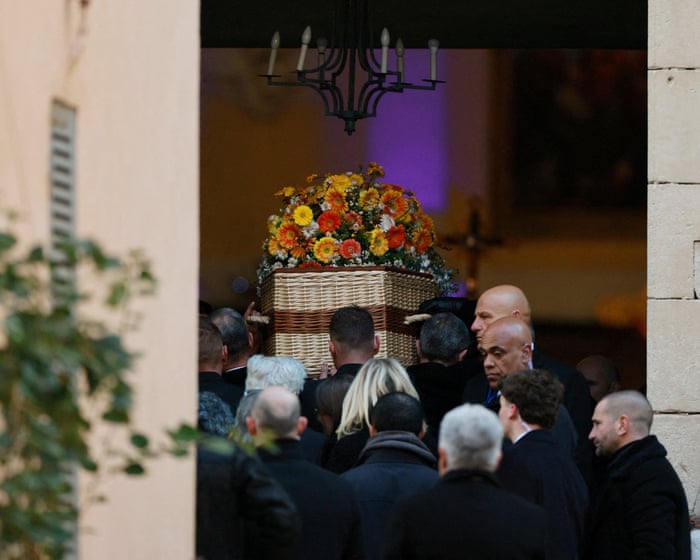
Бардо почина на 91 години на 28 декември във вилата си "Ла Мадраг". Погребението й се състоя в църквата "Нотр Дам дьо л'Асомсион" и беше излъчено на големи екрани в целия град.
Преди церемонията съпругът на Бардо, Бернар д'Ормал, сподели, че тя е починала от рак. В разговор с "Пари Мач" той каза, че тя се е справила "много добре" с две операции, преди болестта да я "отнеме" миналия месец, без да уточнява вида на рака.
Бардо придобива световна известност през 50-те години на миналия век, като се смята, че революционизира френското кино с филми като **"И Бог сътвори жената"** и се превръща в символ на сексуалната свобода, предизвиквайки традициите.
Тя напуска актьорската професия през 70-те години, за да стане активен защитник на правата на животните. В късните си години тя също така става все по-активна в крайнодясната политика, като с твърдите си публични изявления по миграцията се дистанцира от част от феновете си.
Осъдена пет пъти за реч на омразата, особено срещу мюсюлманите, Бардо изразява подкрепа до смъртта си за нарастващия избирателен успех на антиимиграционната партия "Национален съюз" на Льо Пен пред президентските избори през 2027 г.
В сряда аплодисменти съпроводиха погребалната процесия, докато тя преминаваше през площад "Де Лис" и покрай пристанището на Сен Тропе. Ковчегът на Бардо влязъл в църквата под звуците на песен на Мария Калas, съобщи "Ниц-Матѐн".
Наред със семейството на Бардо, включително 65-годишния й син Никола-Жак Шарие, сред присъстващите бяха френските певци Жан-Рош и Мирей Матьо, телевизионната личност Каролин Маржеридон и канадско-американският защитник на морската среда Пол Уотсън.
Присъстваше и Льо Пен, която е посочвала Бардо като модел за Марианна - женския символ на Френската република. Двете жени се възхищаваха взаимно; Бардо веднъж нарече Льо Пен "модерна Жана д'Арк".
Очакваше се ангажиментът на Бардо към правата на животните да бъде централна тема на погребението. Предварително говорителят на фондация "Брижит Бардо", Бруно Жаклен, каза пред "Франс Прес", че церемонията ще отразява коя е била тя, ще бъде проста, както е желаела, и вероятно ще включва някои изненади.
Смъртта й донесе както почести, така и по-критични размисли. Политикът от "Зелените" Сандрин Русо отбеляза: "Да се развълнуваш от съдбата на делфините, но да останеш безразличен към смъртта на мигранти в Средиземно море - това какво ниво на цинизъм е?"
Често задавани въпроси
Разбира се. Ето списък с често задавани въпроси за погребението на Брижит Бардо, представен ясно и естествено.
Обща информация
В: Имаше ли Брижит Бардо обществено погребение?
О: Не, Брижит Бардо все още е жива към края на 2024 г. Погребението, за което става дума, беше хипотетично или планирано събитие, обсъждано в медийни репортажи, а не действителна церемония, която се е състояла.
В: Какво беше съобщено за нейните погребални планове?
О: Според репортажи Бардо, дългогодишна защитница на правата на животните, планирала частно, нерелигиозно погребение в Сен Тропе, на което да присъстват само съпругът й и близки приятели. Също така се съобщаваше, че тя желае церемонията да бъде излъчена пред публиката, за да могат феновете й да участват от разстояние.
В: Защо погребението ще бъде в Сен Тропе?
О: Сен Тропе е дълбоко свързан с наследството на Бардо. Ролята й във филма от 1956 г. "И Бог сътвори жена" прочуто извежда френското ривиера градче на световната карта, а тя живее там от десетилетия.
Относно излъчването и публичния достъп
В: Защо би искала погребението й да бъде излъчено пред публиката?
О: Бардо винаги е имала уникална и пряка връзка с феновете си. Излъчването на службата би било последен жест, за да ги включи в момента на спомен, като същевременно запази уединението на малка, интимна церемония за нея и най-близките й.
В: Как би проработило публичното излъчване?
О: Въпреки че не бяха потвърдени конкретни технически детайли, то вероятно би се управлявало от доверен медиен партньор или чрез пряк ефир на официален уебсайт или социална медийна страница, посветена на събитието, като се гарантира контролирано и почтително отразяване.
В: Често ли погребения се излъчват публично?
О: За частни лица това е необичайно. За големи световни икони като Бардо това става все по-често, особено след пандемията, като начин за управление на огромния обществен интерес и зачитане на необходимостта от поверителност за семейството. Примери са погребенията на кралица Елизабет II или известни артисти.
Контекст и по-задълбочени въпроси
В: Какво е значението на нерелигиозна церемония за Бардо?
О: Бардо по някое време е била открито критична към организираната религия и е изградила лична философия, центрирана около благосъстоянието на животните и светския хуманизъм. Нерелигиозната церемония отразява нейните лични вярвания и живот.