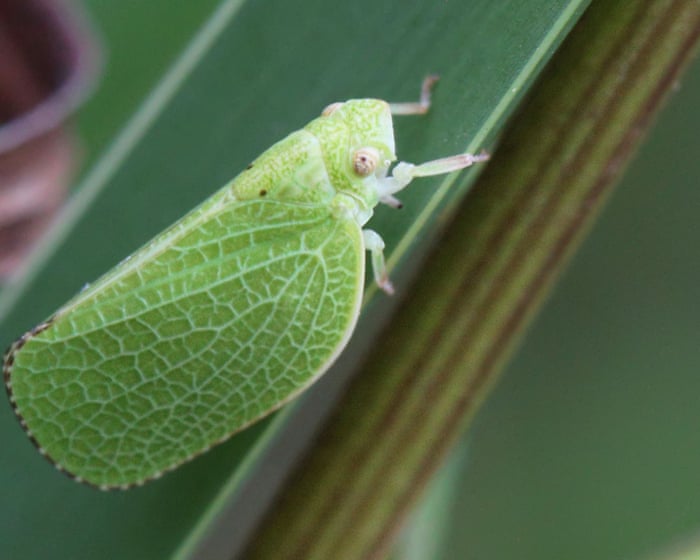
Climate change is intensifying the damage caused by crop pests, and losses are projected to rise significantly, according to a new analysis. Researchers warn that the world has been fortunate to avoid a major food crisis so far, but time is running out. They emphasize the need to diversify crops and strengthen natural pest predators.
Key global crops like wheat, rice, and maize are expected to face increased pest losses of about 46%, 19%, and 31%, respectively, once global warming reaches 2°C. Warmer conditions are helping insects such as aphids, planthoppers, stem borers, caterpillars, and locusts thrive. Higher temperatures allow pests to develop faster, produce more generations each year, and attack crops for longer periods as winters shorten. Rising temperatures are also enabling pests to spread to regions farther from the equator and to higher altitudes that were previously too cold.
As a result, temperate regions like Europe and the United States are expected to experience the most severe impacts from climate-driven pest growth. While some tropical insects may have already reached their temperature limits, the expansion of farmland into tropical forests is creating new habitats for pests.
Global trade networks are accelerating the spread of pests through food exports. At the same time, the destruction of natural habitats, heavy pesticide and fertilizer use, and the expansion of farmland are weakening natural pest predators and creating more opportunities for pests to infest crops.
Pests and diseases already destroy about 40% of global crop production, posing a major challenge to food security. The direct effects of climate change on wheat, rice, and maize are predicted to reduce yields by 6–10% for every 1°C of global warming.
Professor Dan Bebber from the University of Exeter in the UK noted that the world relies heavily on a few major grains like wheat, rice, maize, and soybeans, creating a simplified and vulnerable system. Monocultures—large areas growing a single crop—are especially at risk of being wiped out by a single pest. “We’ve been lucky so far,” he said. “But with the combined threats of climate change and numerous pests and diseases, we need to build a resilient system to feed everyone.”
He added that the Green Revolution, with its focus on simplification, plant breeding, and heavy use of fertilizers and pesticides, saved millions from hunger. However, this approach was developed in a world with slower warming, fewer global pest movements, and less awareness of the long-term impacts on soil and biodiversity. “We were living on borrowed time, but we’re heading toward a crunch point, and we need to do things differently,” he said.
The analysis, published in the journal Nature Reviews Earth & Environment, offers a conservative estimate of increased pest damage, as it focused on insects and key grain crops without including microbial diseases, fungi, nematodes, or other food crops.
Crop pests have evolved alongside their host plants, which provide high-quality food sources, and they can reproduce and spread quickly. Many have also developed resistance to pesticides.
Intensive agriculture, with its reliance on fertilizers and irrigation, improves plant quality and quantity, making crops more attractive to pests. Meanwhile, the destruction of natural habitats has led to declines in many wild insect populations, but crop pests are less affected.
The analysis also notes that rising temperatures can have sudden impacts, such as enabling insects to complete an extra life cycle within a growing season. For example, when the Colorado potato beetle manages an additional generation, it causes significant problems.
While climate change brings heavier rainfall in some areas, which can wash away small pests, overall, wetter conditions benefit pests. First, increased moisture…Small creatures like insects face a high risk of drying out, while the evaporation of rainwater cools their local environment, shielding them from heat. Scientists noted that environmentally friendly pest control can be achieved by restoring natural habitats to increase populations of parasitic wasps and other natural predators of pests.
“Our increasingly simplified agricultural systems are vulnerable, though they are currently sustained by fungicides and pesticides—which is acceptable as long as they remain effective,” Bebber explained. “However, with the rise of pesticide resistance, we now need to seriously consider whether diversification should be a strategy to enhance the resilience of our systems.”
Diversification could involve growing different crop varieties together or integrating crop and livestock farming. Examples of such integration include traditional practices in Japan, where ducks feed on snails and insects that harm rice, and in the UK, where sheep grazing on winter wheat remove leaves infected by fungal diseases.
The analysis also highlighted that artificial intelligence can improve crop protection by analyzing field and weather data to predict pest outbreaks and design effective strategies to address them.
Frequently Asked Questions
FAQs Climate Change Crop Pests and Food Losses
BeginnerLevel Questions
What does borrowed time mean in this context
It means we are facing a worsening crisis that we have delayed addressing The climate crisis is accelerating problems like crop pests and food losses faster than our current systems can adapt so time to prevent severe consequences is running out
How does climate change make crop pests worse
Warmer temperatures allow pests to survive in new areas reproduce more quickly and stay active for longer seasons Extreme weather can also weaken plants making them more vulnerable to attack
What are crop pests
Crop pests are insects fungi weeds and other organisms that damage agricultural plants reducing the amount of food that can be harvested
Will this make my groceries more expensive
Yes very likely As pests and diseases reduce crop yields the supply of certain foods decreases This can lead to higher prices especially for fruits vegetables and staple grains
Is this happening everywhere
Yes but the impact is uneven Regions that are already warmer and those where farming communities have fewer resources to adapt are often hit hardest and fastest
Intermediate Impact Questions
Which pests are getting worse because of climate change
Pests like fall armyworm locusts and various fungal blights are expanding their ranges and becoming more destructive due to favorable warmer and sometimes wetter conditions
Does it just mean we lose more food in the field
Not just in the field The problem extends to storage and transport Warmer more humid conditions can also increase mold and spoilage after harvest leading to further losses
How does this affect food security
It directly threatens food security by reducing the amount of food available This can lead to hunger malnutrition and increased political and economic instability especially in countries that rely heavily on their own agriculture
Are some crops more at risk than others
Yes Staple crops that feed billionslike wheat rice maize and soybeansare highly vulnerable Also many fruits and vegetables are particularly sensitive to pest and disease changes
Cant farmers just use more pesticides
This is a common but problematic solution Overusing pesticides harms human health kills beneficial insects like pollinators