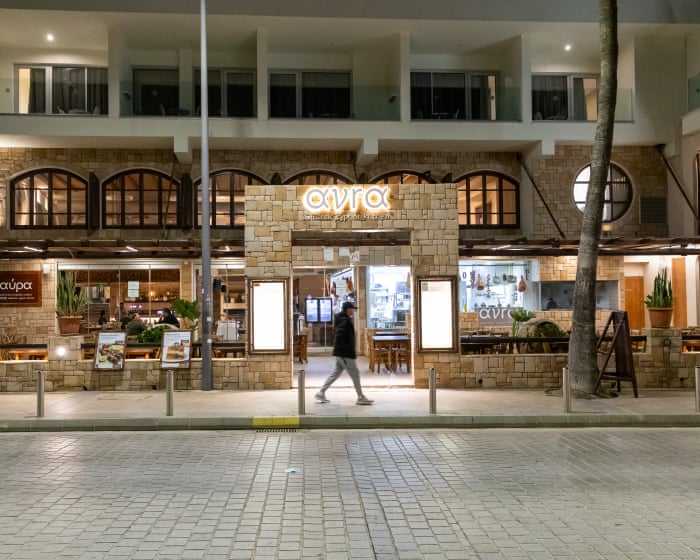
The season has just started, but Ayia Napa is already coming to life. Tourists are slowly returning, enjoying the Cypriot resort’s sunsets, restaurants, and coastal views.
On the seafront, Vassilis Georgiou is busy overseeing the construction of a new ramp for the jetskis, a key part of his water sports business. Last year, over 500,000 visitors stopped by his beachside booth, buying tickets for boat cruises and parasailing.
Until last weekend’s U.S.-led strikes against Iran, Georgiou was expecting another great year. “That’s far from certain now,” he said, shielding his eyes from the setting sun. “It may be early, but I’ve been here since 1992, and suddenly hotel owners are saying bookings are down. People are having second thoughts.”
No place in Europe, or even the Mediterranean, is likely to feel the impact of the distant conflict more than Cyprus. The tourism-dependent nation, the EU’s closest member to the Middle East, attracted 4 million visitors last year, a third of them British tourists for whom the former colony remains a favorite.
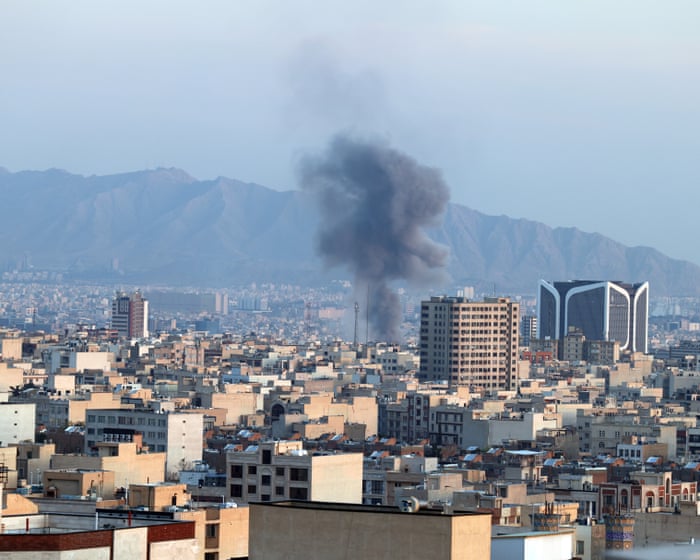
This year could be different. Following Iran’s retaliatory attacks, a drone launched by a pro-Iranian militia struck the British base at RAF Akrotiri late Sunday, putting Cyprus firmly in the “risk zone” and leading to many flight cancellations from both east and west.
As sirens at the base continued in the following days, the British Foreign Office updated its travel advice for Cyprus, warning that terrorist attacks could not be ruled out.
“We’re hearing about cancellations and a certain numbness at this week’s ITB,” said Fotos Kikillos at Ayia Napa’s town hall, referring to the Berlin trade fair that sets the tone for the travel industry. But he added, “As you can see, life here is very safe. People are enjoying themselves. There’s no sense of fear. The last thing we want in Cyprus is to be dragged into this war.”
Among those strolling through the resort’s plaza last week were Karin and Oliver Kiilaspa, a young couple from Estonia who had flown in on the day the British base was hit.
Like most visiting Ayia Napa at this time of year, they came for “a bit of sun, a bit of culture”—not the clubbing scene that draws thousands of young partygoers in peak season. “We were a little worried because we’re here with our baby daughter, but we wanted to think positively,” said Karin. “There’s a lot of snow back home, and it’s like spring in Cyprus. We didn’t want to cancel because of what’s happening, because of a war. Trump is a psychopath.”
This sentiment was shared by older Europeans in the country’s top seaside destination. Marianne Steglich, a Danish retiree on a guided tour of what was once a fishing village at the island’s far eastern end, was clear: “We’re here for three weeks, and I wasn’t going to miss it because of what they [the U.S. and Israel] are doing.”
Those who remember the 1974 Turkish invasion and its traumatic aftermath—events that left Cyprus ethnically divided, with Greek and Turkish Cypriots living on either side of a UN-patrolled buffer zone—dismiss concerns that the country is suddenly unsafe.
“Bah! When you’ve seen the skies full of parachutes and bombs going off, then you get afraid,” said a shopkeeper named Evros. “This, today, is a picnic.”
Andri Christoforou, who has worked eight summers in Ayia Napa, wholeheartedly agrees.The manager of a fish tavern has noticed that tourists have grown accustomed to the sight of missiles streaking across the night skies of the eastern Mediterranean. Last summer, during the Gaza crisis, she recalls diners on the terrace of Vassos restaurant—one of Ayia Napa’s oldest eateries—watching the war unfold on the horizon as they ate. “People come here on holiday to have a nice time,” she said. “Of course we’re worried. Everyone is talking about this war, the future, and how long it is going to last. You have to stay positive, otherwise it harms your health.”
People walk past the Square Bar, a popular destination in Ayia Napa during the tourist season.
Cypriot Deputy Tourism Minister Kostas Koumis acknowledged that cancellations have been seen across the Mediterranean. He admitted that while Cyprus has weathered similar crises in the recent past, this time is different: the island nation has had to confront a hostile incident on its own soil. Last week, he emphasized that everything will depend on how long the war lasts. “The unofficial start of the tourist season every year is essentially Catholic Easter, which falls on April 5 this year,” he said. “If everything has stopped by then, we can expect a good tourist season.”
Frequently Asked Questions
Of course Here is a list of FAQs about the impact of the IranIsrael conflict on tourism in Cyprus framed in a natural conversational tone
General Understanding The Situation
Q What does people are thinking twice mean for Cyprus tourism
A It means potential tourists are becoming more hesitant and cautious about booking trips to Cyprus due to the nearby conflict worrying about safety and potential disruption even though Cyprus itself is not involved
Q Is Cyprus at war or unsafe right now
A No Cyprus is not at war and remains a safe destination The concern is about its geographical proximity to the conflict zone which can create anxiety for travelers about flights regional stability and the general mood
Q How is a conflict between Iran and Israel affecting an island like Cyprus
A Primarily through perception and practical logistics Cyprus is in the Eastern Mediterranean relatively close to the region Travelers worry about flight paths being disrupted increased insurance costs and the possibility of the conflict escalating geographically
For Potential Travelers
Q Should I cancel my upcoming trip to Cyprus
A There is no official advisory against travel to Cyprus You should check your governments travel advice contact your airline and travel insurer for their policies and make a personal decision based on your comfort level
Q Are flights to Cyprus being cancelled
A Currently scheduled commercial flights are operating normally However some airlines may adjust routes to avoid certain airspace which could cause minor delays Always check directly with your airline for the latest updates
Q Will travel insurance still cover me if I go
A You must read your policy carefully Standard policies may not cover disinclination to travel However if your government issues a formal travel advisory or if your flight is cancelled different rules may apply Contact your insurer directly to confirm
Q Is it a good time to find travel deals to Cyprus
A Possibly To counter the hesitation hotels airlines and tour operators may offer discounts or flexible booking policies to attract visitors It could be a chance to find good value but ensure you understand the cancellation terms
For the Industry Advanced Questions
Q Which tourist markets are most affected
A Markets that are typically more riskaverse such as longhaul