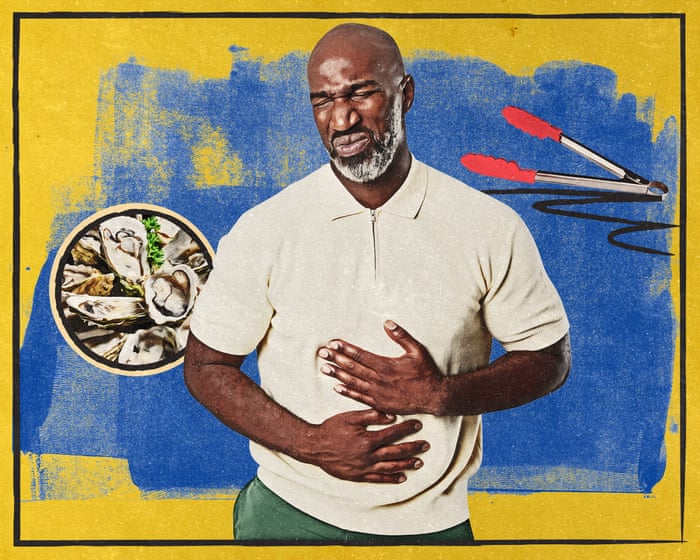
It’s probably fair to say that many people today don’t take food poisoning very seriously. Most of us wash our hands after handling raw chicken and use separate cutting boards for meat and vegetables—but who can honestly say they’ve never used the same tongs throughout a barbecue or left a container of cooked rice out on the counter for a few hours? Let’s set that aside for a moment. Before you insist that everyone should always follow the rules, let’s talk about what actually happens in your body when things go wrong.
To state the obvious, food poisoning happens when you eat food contaminated with harmful bacteria, viruses, or toxins—but it doesn’t always work the same way. Dr. Masarat Jilani, an NHS specialist who often treats food poisoning in children and adults, explains: “Some bacteria, like Bacillus cereus—which can be found in reheated rice—produce toxins before the food is eaten. These can cause sudden vomiting within hours.” Bacillus cereus also creates another toxin in the small intestine that leads to diarrhea. “Others, like Salmonella and E. coli, act after you’ve eaten and often cause longer-lasting symptoms through gut inflammation.”
So, in theory, an expert might guess the type of bacteria or virus based on how quickly you get sick after eating. But in practice, that’s rarely done.
Dr. Emma Doughty, an infectious disease scientist, says, “These bacteria all work differently. Campylobacter jejuni, often found in poultry, is spiral-shaped and corkscrews through your gut lining. That’s not the same as Shiga toxin-producing E. coli, which releases toxins. Both cause gut inflammation and diarrhea.” This means that even though treatments like antibiotics exist, it’s often hard for doctors to know which one to prescribe.
“If you have a stomach bug and see a doctor, they typically won’t give you antibiotics,” says Doughty. “The reason is that if you have the Shiga toxin-producing E. coli and kill the bacteria with antibiotics, they’ll release all their toxins and make you even sicker. So without a specific diagnosis, it’s often safer to let your body recover on its own.”
How can you avoid all this? “Some classic advice still holds,” says Doughty. “Oysters are always risky, as is eating any raw meat—there’s been a troubling trend lately of people eating medium-rare burgers.” To clarify: when eating beef, you need to sear the parts exposed to air to kill most surface bacteria. With steak, that’s just the outside, but with ground beef, it’s almost the entire portion.
Washing chicken—still oddly popular on TikTok—is a definite no, as it spreads bacteria around your kitchen instead of reducing your risk of infection. Of course, you should keep things clean, separate raw meat from other foods, cool cooked food quickly and refrigerate it within two hours, and ensure food is properly cooked, possibly using a meat thermometer. “As with many infections, washing your hands is really important to prevent illness,” says Doughty. “In this case, that means washing thoroughly after handling food and after using the toilet.”
If things do go wrong, most people won’t have too much trouble getting through it.For most people, food poisoning isn’t something to worry about, unless they are in a high-risk group. “The main risk from food poisoning is dehydration, which is why it’s important to drink plenty of water and use oral rehydration salts while you’re sick,” says Jilani. “Getting back to a balanced diet is also key for recovery. At first, if you can’t manage your normal diet, we often recommend the BRAT diet—bananas, rice, applesauce, and toast.”
Bland foods like bananas, rice, applesauce, and toast are often best for an upset stomach.
In more severe cases, food poisoning can lead to sepsis, with symptoms like a rapid heartbeat and dizziness. If you suspect this, contact a doctor immediately. “In a small number of cases, you might also develop post-infectious irritable bowel syndrome (IBS), which can cause abdominal pain and bloating,” says Jilani. Again, see a doctor if symptoms continue.
Fortunately, most cases of food poisoning resolve on their own within a few days as your immune system handles it. Just be more careful with food handling next time.
Frequently Asked Questions
FAQs Oysters Raw Meat and Food Poisoning Prevention
Basics Definitions
Q Why are oysters and raw meat considered risky
A They can contain harmful bacteria viruses and parasites that are normally killed by cooking Eating them raw or undercooked means youre consuming those live pathogens which can cause food poisoning
Q What is food poisoning
A Its an illness caused by eating contaminated food Symptoms usually include stomach cramps nausea vomiting diarrhea and sometimes fever It can range from mild to very severe
Q Is all raw meat dangerous
A Not all but the risk is significant Common risky meats include undercooked ground beef poultry pork and unpasteurized products Steak can be safer if the outside is properly seared but theres still a risk
Specific Risks Examples
Q Whats the specific danger with raw oysters
A Oysters filter large amounts of water so they can concentrate bacteria like Vibrio or viruses like norovirus from their environment These can cause severe illness especially in people with weakened immune systems
Q Can you get sick from rare steak
A Yes its possible While searing the outside kills surface bacteria if the meat was tenderized or contaminated inside during processing pathogens can remain Steak is generally lower risk than ground meat but not riskfree
Q What about dishes like steak tartare or sushi
A These carry inherent risk Reputable restaurants use highquality specially handled ingredients to minimize danger but they cannot eliminate it entirely Its a personal risk assessment
Q Are some people at higher risk
A Absolutely Pregnant women young children the elderly and anyone with a compromised immune system should avoid raw or undercooked oysters and meat entirely
Prevention Safety
Q How can I safely eat oysters
A The only way to be 100 safe is to eat them fully cooked If you choose to eat them raw get them from a trusted reputable source that keeps them properly refrigerated Avoid if you have health risks