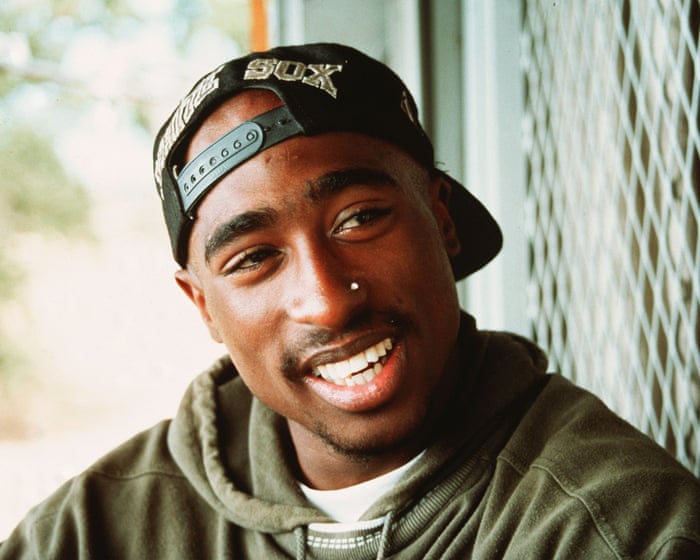
तुपैक शकूर की हत्या के तीस साल बाद, जिम्मेदार कौन था इस बारे में साजिश के सिद्धांतों और अफवाहों ने आखिरकार एक आपराधिक दोषसिद्धि का रास्ता छोड़ दिया है। लास वेगास की एक जूरी ने डुआने "केफे डी" डेविस, जो साउथ साइड कॉम्पटन क्रिप्स गिरोह के 63 वर्षीय पूर्व नेता हैं, को ड्राइव-बाय शूटिंग में उनकी भूमिका के लिए हत्या का दोषी पाया। दो सप्ताह के मुकदमे के दौरान, अभियोजकों ने तर्क दिया कि डेविस "तुपैक को मारने के प्रयास का जमीनी स्तर पर, स्थल पर कमांडर" था और वह उस रैपर के अपने भतीजे, ऑरलैंडो "बेबी लेन" एंडरसन के साथ झगड़े के बाद बदला लेने की कोशिश कर रहा था।
यह दोषसिद्धि उस मामले में एक लंबे समय से प्रतीक्षित समाधान लाती है जिसने दशकों तक जनता का ध्यान आकर्षित किया और सुर्खियों पर हावी रहा। "हम 30 साल से ठीक से शोक मनाने का इंतजार कर रहे हैं," शकूर के चचेरे भाई ज़ायद अकिन्येला ने मुकदमे के दौरान अदालत के बाहर पत्रकारों से कहा।
शकूर, ब्लैक पैंथर पार्टी के सदस्यों का बेटा, 1996 में अपने करियर के चरम पर था। उसने अभी-अभी हिट एल्बम ऑल आइज़ ऑन मी जारी किया था, जिसकी लाखों प्रतियां बिकीं, और वह एक वैश्विक सुपरस्टार बन गया था। उसी साल सितंबर में, वह एमजीएम ग्रैंड होटल में माइक टायसन की लड़ाई देखने के लिए लास वेगास में था। उस शाम, एक आफ्टरपार्टी की ओर जाते समय, लास वेगास स्ट्रिप से थोड़ी दूर उस पर और डेथ रो रिकॉर्ड्स के संस्थापक मैरियन "सुगे" नाइट पर हमला किया गया। जब वे एक लाल बत्ती पर इंतजार कर रहे थे, एक कैडिलैक शकूर की कार के बगल में आकर रुकी और गोलियां चलाईं, जिससे वह कई बार घायल हुआ। शकूर की कुछ दिनों बाद 25 साल की उम्र में मौत हो गई।
शकूर की मौत—इतनी कम उम्र में और उसके सांस्कृतिक प्रभाव के चरम बिंदु पर—ने उसे हिप-हॉप में लगभग एक पौराणिक व्यक्ति बना दिया। उसकी हत्या के बाद मरणोपरांत गानों, संगीत वीडियो और एल्बमों की एक लहर जारी की गई, जिसने उसकी विरासत को उसकी पीढ़ी के सबसे विपुल और प्रतिभाशाली कलाकारों में से एक के रूप में मजबूत किया।
डिस ट्रैक, गिरोह प्रतिद्वंद्विता, और एक शूटिंग
वर्षों तक, उसकी हत्या में कोई गिरफ्तारी नहीं हुई, और लास वेगास पुलिस को जांच को गलत तरीके से संभालने और प्रमुख सुरागों का पालन न करने के लिए आलोचना का सामना करना पड़ा। प्रश्न और साजिश के सिद्धांत दशकों तक बने रहे, लेकिन आधिकारिक उत्तर आने में धीमे थे। हत्या को लंबे समय से विभिन्न हिप-हॉप समूहों और रिकॉर्ड लेबलों के बीच पूर्वी तट-पश्चिमी तट प्रतिद्वंद्विता से जुड़ा हुआ माना जाता था। शकूर का क्रिस्टोफर वालेस के साथ लंबे समय से झगड़ा चल रहा था, जो ब्रुकलिन का रैपर था जिसे बिगी स्मॉल्स या द नोटोरियस बी.आई.जी. के नाम से जाना जाता था, जिसमें उनके खेमों के बीच कई डिस ट्रैक और धमकियां शामिल थीं। शकूर की मौत के छह महीने से भी कम समय बाद वालेस की लॉस एंजिल्स में हत्या कर दी गई, जिससे उनकी प्रतिद्वंद्विता के आसपास की पौराणिक कथा और बढ़ गई।
शकूर और बिगी दोनों जल्दी ही पॉप संस्कृति के प्रतीक बन गए जो 90 के दशक के हिप-हॉप के स्वर्ण युग का प्रतिनिधित्व करते थे। तथ्य यह है कि उनकी हत्याएं अनसुलझी रहीं, उन्होंने किताबों और वृत्तचित्रों के एक छोटे उद्योग को भी बढ़ावा दिया जो उनकी मौतों के पीछे की असली कहानी को उजागर करने का दावा करते थे, जिनमें से कई साजिश के सिद्धांतों और कवर-अप के आरोपों से भरे हुए थे।
अधिकारियों का कहना है कि उस सितंबर की शाम को क्या हुआ था, इसकी एक स्पष्ट तस्वीर हाल के वर्षों में सामने आई है, जिसका श्रेय काफी हद तक खुद डेविस को जाता है। डेविस, साउथ साइड कॉम्पटन क्रिप्स का पूर्व नेता, लंबे समय से अन्वेषकों के लिए जाना जाता था। वह उस कार का एकमात्र जीवित गवाह था जिसने शकूर पर गोलियां चलाईं। जासूसों ने नोटोरियस बी.आई.जी. की घातक शूटिंग के बारे में भी उससे पूछताछ की थी। हालांकि डेविस उस मामले में संक्षेप में संदिग्ध था, बाद में उसे बरी कर दिया गया।
मुकदमे के दौरान, जूरी सदस्यों ने 2008 का एक साक्षात्कार सुना जिसमें डेविस ने जासूसों को बताया कि एंडरसन—जो 1998 में एक असंबंधित शूटिंग में मारा गया था—वह था जिसने शकूर को मारने वाली गोलियां चलाईं। लेकिन अभियोजकों के पास उस समय आरोप दर्ज करने के लिए पर्याप्त सबूत कभी नहीं थे। मामले ने एक मोड़ तब लिया जब डेविस ने 2019 में अपना संस्मरण प्रकाशित किया, जिसमें उसने हमले में अपनी भागीदारी का वर्णन किया। डेविस के विवरण के अनुसार, वह अपने भतीजे पर हमले से नाराज था और शकूर को "ढूंढने" के इरादे से एक बंदूक प्राप्त की। हम नाइट का सामना करने गए। वह और अन्य, जिनमें उसका भतीजा एंडरसन भी शामिल था, समूह की तलाश में गए, और एक बार जब उन्होंने उन्हें पा लिया, तो चीजें तेजी से बढ़ गईं।
"कोई शब्दों का आदान-प्रदान नहीं हुआ—बात करने का समय समाप्त हो गया था, और पूरी तरह से उथल-पुथल मच गई। तुपैक ने अचानक एक हरकत की और अपनी सीट के नीचे पहुंचने लगा। यह मेरे जीवन का एकमात्र समय था जब मैंने वास्तव में पुलिस के आदेश 'अपने हाथों को वहीं रखें जहां मैं उन्हें देख सकूं' को समझा। इसके बजाय, पैक ने एक बंदूक निकाली, और तभी गोलीबारी शुरू हुई। मेरे पीछे की सीट पर मेरे एक लड़के ने ग्लॉक पकड़ा और जवाबी फायरिंग शुरू कर दी," उसने लिखा।
अभियोजकों ने कहा कि यह डेविस का किताब लिखने का निर्णय था जिसने अंततः मुकदमे की ओर अग्रसर किया।
"अगर उसने कभी किताब नहीं लिखने का फैसला किया होता, तो शायद उस पर इस अपराध के लिए कभी मुकदमा नहीं चलाया जाता," अभियोजक मार्क डिगियाकोमो ने कहा।
डेविस के बचाव पक्ष ने संस्मरण को मुकदमे से बाहर रखने की कोशिश की लेकिन असफल रहा, यह तर्क देते हुए कि यह "व्यक्तिगत लाभ के लिए [डेविस] को इस सब के केंद्र में झूठे रूप से रखने" के लिए बढ़ा-चढ़ाकर कहा गया था।
मुकदमे के दौरान, बचाव वकील माइकल सैन्फ्ट ने तर्क दिया कि अन्वेषकों के पास अपने मामले का समर्थन करने के लिए बहुत कम सबूत थे। उन्होंने कहा कि अधिकारियों, जिनमें एफबीआई भी शामिल है, ने डेविस का पालन नहीं किया क्योंकि उन्हें उसके दावे विश्वसनीय नहीं लगे।
"वे आपको जो बता रहे हैं, वे इसे तथ्य के रूप में प्रस्तुत कर रहे हैं, लेकिन यह वास्तव में कल्पना है," सैन्फ्ट ने कहा।
सोमवार को, लास वेगास की एक जूरी ने असहमति जताई। न्यायाधीश ने सजा के लिए 13 अक्टूबर की तारीख निर्धारित की है।
अक्सर पूछे जाने वाले प्रश्न
यहां तुपैक शकूर मामले के समापन के बारे में अक्सर पूछे जाने वाले प्रश्नों की एक सूची है जो एक स्वाभाविक और सुलभ लहजे में लिखी गई है
अक्सर पूछे जाने वाले प्रश्न तुपैक शकूर मामले का समापन
1 रुको, मुझे लगा यह मामला अनसुलझा था। अभी क्या हुआ
30 वर्षों तक तुपैक की हत्या में कभी किसी को गिरफ्तार नहीं किया गया। लेकिन सितंबर 2023 में डुआने केफे डी डेविस नामक एक व्यक्ति को गिरफ्तार किया गया और उस पर आरोप लगाया गया। सितंबर 2024 के अंत में, एक जूरी ने उसे गिरोह संवर्धन के साथ प्रथम-डिग्री हत्या का दोषी पाया। यह इस मामले में पहली और एकमात्र दोषसिद्धि है।
2 डुआने केफे डी डेविस कौन है
वह साउथ साइड कॉम्पटन क्रिप्स गिरोह का नेता था। वर्षों तक उसने सार्वजनिक रूप से उस कार में होने के बारे में बात की थी जिससे घातक गोलियां चलाई गई थीं। वह उस कार में मौजूद एकमात्र जीवित व्यक्ति था और उसने अपने संस्मरण और साक्षात्कारों में शूटिंग की साजिश रचने की बात स्वीकार की थी।
3 गिरफ्तारी में 30 साल क्यों लगे
1996 के बाद यह मामला जल्दी ही ठंडा पड़ गया। मूल जांच की भारी आलोचना की गई क्योंकि इसे गलत तरीके से संभाला गया था। वर्षों में गवाह या तो मर गए, सहयोग करने से इनकार कर दिया, या परस्पर विरोधी बयान दिए। बड़ी सफलता तब मिली जब केफे डी ने 2000 के दशक में सार्वजनिक रूप से अपराध के बारे में बात करना शुरू किया और फिर 2018 में उसने संघीय अभियोजकों के साथ एक प्रोफर समझौते पर हस्ताक्षर किए। लास वेगास पुलिस ने फिर इस नए सबूत के साथ मामला फिर से खोला।
4 उसके खिलाफ मुख्य सबूत क्या था
यह डीएनए या बंदूक नहीं थी। यह मामला काफी हद तक केफे डी की अपनी स्वीकारोक्तियों पर बनाया गया था। अभियोजकों ने उसके 2019 के संस्मरण कॉम्पटन स्ट्रीट लीजेंड और उसके कई ऑन-कैमरा साक्षात्कारों का उपयोग किया जहां उसने हमले की योजना बनाने और कार में होने में अपनी भागीदारी का विवरण दिया। उसके अपने शब्द प्राथमिक सबूत थे।
5 'गिरोह संवर्धन के साथ' का क्या मतलब है
इसका मतलब है कि जूरी ने पाया कि हत्या एक आपराधिक सड़क गिरोह को लाभ पहुंचाने के लिए की गई थी। यह नेवादा कानून में एक सजा संवर्धन है और यह संभावित जेल समय को काफी बढ़ा देता है।
6 उसे क्या सजा मिली
उसे 30 साल से आजीवन कारावास की सजा सुनाई गई। उसकी उम्र और स्वास्थ्य के कारण, न्यायाधीश ने कहा कि यह प्रभावी रूप से आजीवन कारावास है।
```