Playing in a World Cup is an incredible experience. When you’re with the national team, your whole world revolves around the squad’s schedule—the hotel, the training ground, the stadium—everything is built around the matches.
I lived that routine every day at the 2022 World Cup, and I saw just how much dedication the tournament demands. Now, for the 2026 edition, fate has taken a different turn. Since I’m still recovering from my injury, I’m seeing a whole new side of the World Cup: one full of reunions, with countless events happening at the same time across different cities and countries, creating chances for conversations and unforgettable moments.
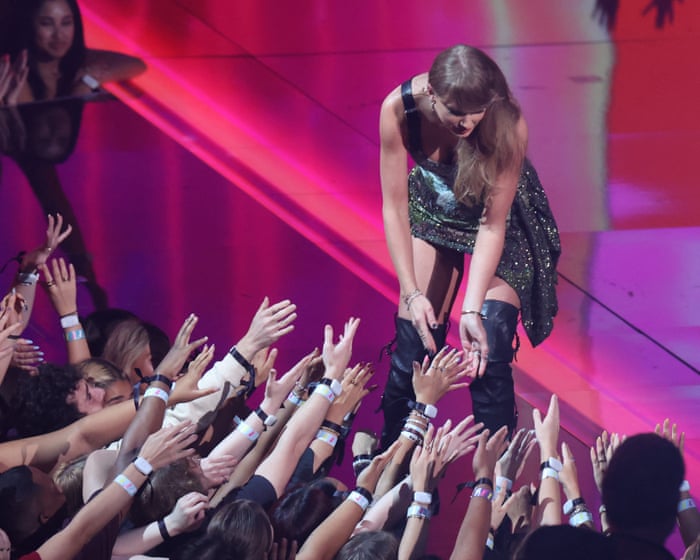
Over two afternoons in New York, I ran into true legends, icons, and friends I’ve made through football. Those were precious moments where I could listen, share ideas, and get support from stars like Marcelo, Kaká, Paul Pogba, and Zinedine Zidane. What started as a scheduled appearance for a shared sponsor turned into a relaxed, friendly chat between different generations, all brought together by the passion that football ignites. We were right there, close to the fans. Five guys representing Brazil and France, greeted by hundreds of fans from all over the world, all hoping for a brief moment of closeness, a photo, or a wave. And yes, I have idols too—I managed to get an autographed shirt from Zidane, my former coach and a giant in the history of the sport.
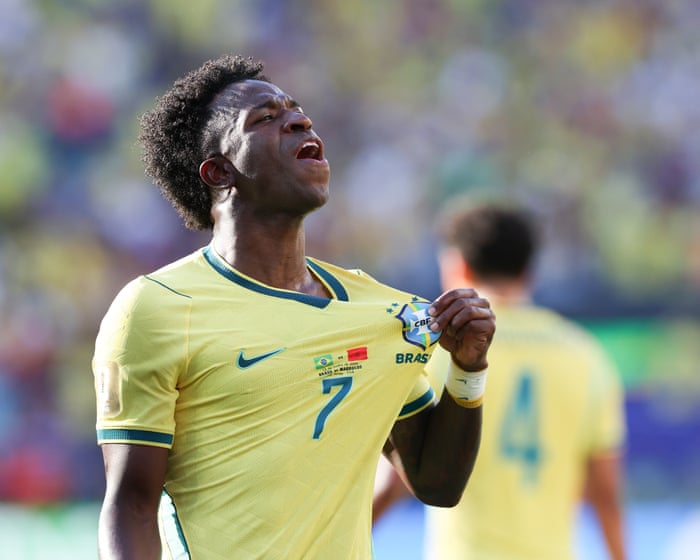
Sharing that space in the middle of the event area next to the Brooklyn Bridge, we talked about past experiences, the energy that spreads everywhere during the World Cup, and, of course, the matches that had already been played. Naturally, everyone expects the best from the Brazilian national team, and in football, “the best” means winning. But it’s important to remember that the opening draw against Morocco was just the first step on the journey. Brazil fell behind in that game, and securing a draw was important for the road ahead.
The World Cup brings challenges unlike any other competition. Situations change constantly, and almost nothing is set in stone. If things don’t go as planned in the first game, it doesn’t mean the rest will follow the same pattern. By the same token, a big win doesn’t guarantee the next match will be any easier or that your performance will stay at the same level.
It’s a sprint-paced marathon with stages that feel separate from each other, creating opportunities for change throughout the journey that makes up the whole. There are eight decisive matches on the road to the title, and in the group stage, not every setback means you’re going home. A single team can be several different versions of itself over the course of the tournament—and that’s one of the things that makes the World Cup so unique.
When we’re on the pitch for a World Cup match, our eyes and minds have one clear priority: to perform at our best. We’ve done everything possible to arrive in the best physical, technical, tactical, and mental shape. Everyone there defends the team and the country with everything they’ve got.
Before and after matches, opponents are fellow professionals and friends. But once the game kicks off, everyone focuses on their job and gives their all to help the Seleção move forward. You can’t predict the result, but you can guarantee dedication and the right attitude by leaving everything on the pitch.
The pressure of wearing the Brazil shirt can be heavy, but it also creates a positive kind of responsibility. That pressure exists only because of the greatness of our football, the titles we’ve won, and our historic standing in the sport. The fans’ mood often depends on the result, which is only natural in a country so used to winning regularly.
So, as a player, you have to be ready for that.Realize that a barrage of criticism isn’t the end of the world, just like a flood of praise doesn’t mean everything is perfect or that you’ll win the tournament. It’s important to separate facts and balanced analysis from comments driven by raw emotion and frustration.
Players aren’t immune to what’s said on social media. I believe in using a filter: a process of sorting out what’s relevant, what deserves a response or consideration, from what’s simply garbage—meant to hurt and completely out of touch with reality.
[Image description: Marquinhos, the experienced Paris Saint-Germain defender, is Brazil’s captain. Photograph: Rob Newell/CameraSport/Getty Images]
A World Cup player’s daily routine involves dedicating a huge amount of time to the sport. But the player is still a human being who communicates—even if just online—with friends, family, professional contacts, and fellow players. So, social media comments can easily reach them through any of these channels. Among the messages received, there might be content meant to cause distress or trigger stress. A football player is a human being who can be affected by such photos, videos, or comments—just like anyone else. We don’t go out of our way to seek them out or read them; most players don’t actively look for comments and have a support team that handles the filtering process.
Sometimes, though, the sheer volume means some of it gets through to us. Then the focus must stay on performance on the pitch. It’s up to us to make sure that our on-field performance is what truly speaks the loudest.
Frequently Asked Questions
Here is a list of FAQs based on Rodrygos quote covering different levels of understanding
BeginnerLevel Questions
1 What does Rodrygo mean by Players are human
He means that footballers have feelings emotions and personal lives They see the praise and the criticism on social media and it can affect them just like anyone else
2 Why does he say the focus has to stay on the pitch
Because a players job is to perform well during the match If they get distracted by online comments it can hurt their performance The game is the only thing they can control
3 Is Rodrygo saying players should ignore social media completely
Not necessarily Hes saying they shouldnt let social media comments control their mindset or distract them from playing good football
4 What is the main message of this quote for a fan
The main message is to remember that players are people but their true value is shown in their work on the field not in the online noise
Advanced Questions
5 How does this quote relate to a players mental health and performance
It highlights the balance between being aware of public opinion and maintaining focus If a player dwells on negative comments it can lead to anxiety or loss of confidence Staying on the pitch is a mental discipline to protect their performance
6 Does this quote imply that social media criticism is completely useless for a player
It suggests that while feedback exists the volume and emotion of social media are often unhelpful A players focus should be on feedback from their coach and teammates which is more relevant to their actual performance
7 Can you give a practical example of a player applying this mindset
Yes A striker misses a penalty Social media blows up with insults Instead of reading the comments all night the player watches the game tape with the coach works on technique in training and focuses on the next match That is keeping the focus on the pitch
8 How does this mindset help a team avoid a toxic atmosphere
If every player follows this rule the locker room stays united They dont bring outside grudges or online drama into training They judge each other based on what happens in practice and on matchday not on what a fan tweeted