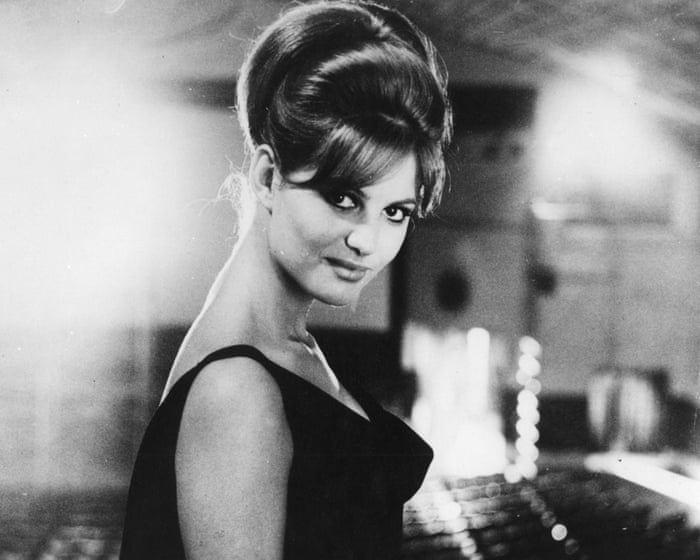
Claudia Cardinale patřila ke slavné skupině italských filmových hvězd, které po válce učinily skok z Evropy do Hollywoodu. Společně se Sophií Lorenovou, Ginou Lollobrigidou a Monicou Vitti si ji americký filmový průmysl cenil nejen pro její krásu, ale také pro nádech tajemství – exotické, kočičí kouzlo kombinované s pocitem resilience a dokonce tragiky. Cardinale však své generaci přinesla něco jedinečného: prostotu a upřímnost, které doplňovaly její smyslnost. Často hrála po boku Alaina Delona, jehož vlastní výrazný zjev se zdál být s jejím dokonale sladěn.
Ve Viscontiho mistrovském díle z roku 1960 Rocco a jeho bratři hrála Cardinale Ginetu, ženu zasnoubenou s jedním z Roccových bratrů z venkovského jihu. Její rodiče reagují otevřeným nepřátelstvím, když jejího snoubence celá rodina přijede chaoticky navštívit. Znovu zazářila ve Viscontiho filmu Gepard (1963) jako Angelica, dcera bohatého obchodníka. Princ Burta Lancastera ji otevřeně obdivuje, přestože je zasnoubena s jeho synovcem Tancredim, kterého hraje Delon. V slavném scéně filmu na plese půvabně pozve Lancasterova stárnoucího aristokrata k tanci a nabídne mu to, co lze chápat jako důstojné, symbolické rozloučení s jeho bývalou prestiží.
Další významní režiséři jí svěřili důležité role. Alberto Cavalcanti ji obsadil do romantické komedie z roku 1959 Benátský líbánek po boku Vittoria De Sicy a Abel Gance ji obsadil jako Napoleonovu sestru Paulinu ve filmu Austerlitz (1960). Zlom v její rané kariéře však nastal, když ji Federico Fellini vybral do své sebereflexní komedie Osm a půl. Hrála zde nastupující filmovou hvězdu, kterou považuje tvůrčí zablokovaný režisér Marcella Mastroianniho za ideální ženu – ženu, která musí zachránit jeho emocionálně poškozeného protagonistu, jen aby mu bylo řečeno, že taková postava není schopna skutečné lásky. Ve filmu to může být vtípek, že její příjmení evokuje představu kardinální důležitosti a pravdy.
Získala také uznání za svou hlavní roli ve filmu Valeria Zurliniho Dívka s kufrem (1961), kde hrála mladou ženu jménem Aida, která přežívá díky prchavé pozornosti různých zamilovaných mužů.
Hollywood její talent ne vždy nejlépe využil, ačkoli z ní udělal mezinárodní hvězdu largely through její rolí okouzlující, podnapilé princezny, která vlastní slavný klenot ve filmu Růžový panter – ve filmu, kde byla, jako v mnoha jiných, často zastíněna inspektorem Clouseauem Petera Sellerse. Objevila se také v řadě běžných válečných filmů, kde byl její italský image považován za vhodný. Její nejvýznamnější role z hollywoodského období byla v epickém westernu Sergia Leoneho Tenkrát na Západě (1968). Jako Jill, bývalá sexuální pracovnice s drsnou minulostí, která zdědí sporný ranč, ztělesnila propojení italského a hollywoodského stylu ve filmu. Werner Herzog ji později obsadil do podobné role jako majitelku nevěstince ve svém filmu Fitzcarraldo z roku 1982.
Po návratu do Itálie hrála po boku národních ikon: s Francem Nerem v mafiánském dramatu Den výra (1968) a s Albertem Sordim v komedii Dívka v Austrálii, kde hrála napravenou ženu se srdcem ze zlata. Další oceněný výkon podala v roce 1984 ve filmu Claretta režírovaném jejím partnerem Pasqualem Squitierim, kde ztvárnila milenku Benita Mussoliniho.
Claudia Cardinale zůstává živoucí a výjimečnou osobností – trvalou ikonou italské i hollywoodské kinematografie.
Často kladené otázky
Zde je seznam častých otázek o Claudii Cardinale a jejím vztahu k Hollywoodu navržený s jasnými otázkami a přímými odpověďmi.
Často kladené otázky o Claudii Cardinale a Hollywoodu
Základní otázky
1. Kdo je Claudia Cardinale?
Claudia Cardinale je ikonická italská filmová herečka, která mezinárodně proslula v 50. a 60. letech 20. století, známá pro svůj silný herecký projev, krásu a role v evropských a hollywoodských filmech.
2. Co činilo herecký projev Claudie Cardinale tak výjimečným?
Vlastnila jedinečnou kombinaci vlastností: ohnivého, nezávislého ducha, příjemné a sympatické osobnosti a mocného přirozeného půvabu, který působil autenticky rather than uměle.
3. Stala se Claudia Cardinale velkou hollywoodskou hvězdou?
Ačkoli hrála v několika velkých hollywoodských produkcích, nikdy se nestala tak typickou hollywoodskou hvězdou jako její současnice. Její nejoslavovanější a nejautentičtější práce zůstala v evropské kinematografii.
4. Můžete jmenovat některé slavné hollywoodské filmy, ve kterých hrála?
Ano, mezi její významné hollywoodské filmy patří Růžový panter, Závoj s Rockem Hudsonem a Tenkrát na Západě, což byla italská produkce, ale měla významné americké herce a režiséra.
Pokročilé / podrobné otázky
5. Co znamená, že Hollywood nevěděl, jak zachytit její pravou podstatu?
Hollywood se ji často snažil vtěsnat do předem připravených šablon, jako byla obecná exotická krasavice nebo milostný zájem, což oslabovalo její jedinečnou, silnou osobnost. Měl potíže vytvářet role, které plně využily její kombinaci síly a smyslnosti.
6. Jak se lišily její evropské role od těch hollywoodských?
V evropských filmech, zejména od režisérů jako Federico Fellini a Luchino Visconti, hrála složité, nezávislé a vášnivé ženy. Hollywoodské role byly často méně nuancované a zaměřovaly se více na její vzhled než na herecký rozsah.
7. Jaké byly některé běžné problémy nebo výzvy, kterým v Hollywoodu čelila?
Mezi výzvy patřily jazykové bariéry, tvůrčí neshody se studii, která chtěla změnit její image, a obecné nepochopení jejího specifického typu charismatu.