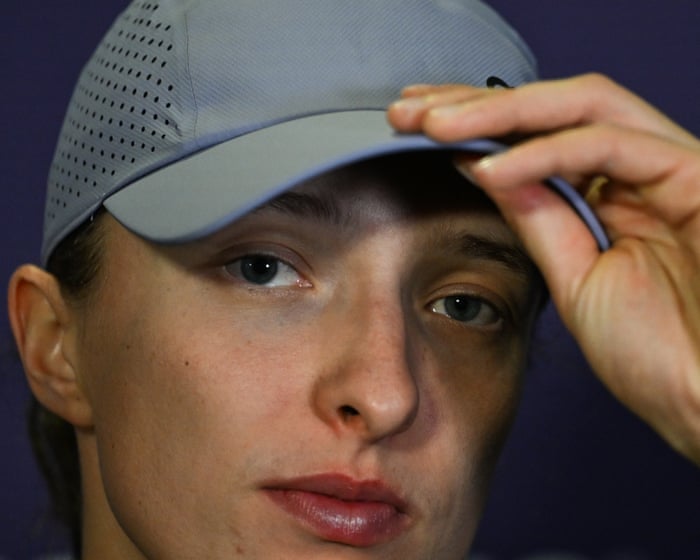
In den kommenden Monaten wird Iga Świątek, wann immer es ihr Terminplan erlaubt, London und den All England Club besuchen, den Ort dessen, was sie ihren größten und überraschendsten Sieg nennt. Im vergangenen Juli gewann die 24-Jährige ihren ersten Wimbledon-Titel und insgesamt ihren sechsten Grand Slam, indem sie Amanda Anisimova in einem einseitigen Finale mit 6:0, 6:0 besiegte.
Dieser Sieg war der klare Höhepunkt eines durchwachsenen Jahres für die polnische Spielerin, die auf ihrem bevorzugten Sand Herausforderungen meistern musste, aber das Jahr 2025 als Weltranglistenzweite beenden wird – ihr viertes Jahr in Folge unter den Top Zwei.
Eine einzigartige Tradition in Wimbledon ist, dass die Einzelsieger eine Ehrenmitgliedschaft im All England Club erhalten, die ihnen erlaubt, jederzeit zu Besuch zu kommen. Wie viele frühere Gewinner freut sich Świątek darauf, den historischen Ort ohne die Menschenmassen und Mitspieler zu erleben.
„Ich frage mich, wie sich das anfühlt“, sagt sie. „Ich werde definitiv zurückkommen. Ich würde es lieben, aber ich bin nicht sicher, wie das funktioniert. Ich habe gehört, dass Roger Federer einmal abgewiesen wurde, weil er nicht das richtige Abzeichen hatte, also muss ich vorbereitet sein.“ Federer wurde tatsächlich Ende 2022 der Zutritt verweigert, als er seine Mitgliedskarte vergaß.
Bekannt für ihre Stärke auf Sand, mit vier French-Open-Titeln in den letzten sechs Jahren, war Świątek gegenüber Wimbledon vorsichtig gewesen, unsicher, ob ihr Spiel sich dem Rasen anpassen würde. Nach einer schwierigen Sandplatzsaison gewann sie durch ein Vorbereitungsturnier in Deutschland an Selbstvertrauen und errang einen atemberaubenden Sieg in Wimbledon.
„Jede Saison mit einem Wimbledon-Sieg ist eine, die ich ohne Zögern nehmen würde“, sagt sie. „Ich bin unglaublich stolz auf diese Leistung. Ich hatte nicht erwartet, dass es dieses Jahr passieren würde – ich dachte, ich bräuchte noch ein paar Jahre, um das Spielen auf Rasen zu lernen und meine Fähigkeiten dort anzuwenden. Aber ich fühlte mich großartig.
„Wir haben vor Wimbledon hart gearbeitet, um einige taktische Muster anzupassen, die ich in den Vorjahren nicht vollständig genutzt hatte. Tag für Tag spürte ich, wie mein Spiel zusammenwuchs, und ich nutzte die Gelegenheit. Dieser Sieg hat alles verändert.“
Bis dahin war ihre Saison enttäuschend verlaufen, gemessen an den hohen Standards, die sie in den letzten Jahren gesetzt hatte. Nachdem sie im Januar im Australian Open einen Punkt vom Finale entfernt war, erreichte sie bis Juni kein weiteres Finale. Es gab unerwartete Niederlagen auf Sand, obwohl ein Halbfinaleinzug bei den French Open half, ihr Selbstvertrauen wiederaufzubauen.
In Wimbledon, ab 2:2 im ersten Satz ihres Halbfinales gegen Belinda Bencic, gewann Świątek 22 Spiele in Folge, gipfelnd in einem dominanten Sieg über Anisimova – dem ersten Doppelbagel in einem Damenfinale seit 1911. Es war ein krönender Moment, obwohl einige Fragen nach dem Spiel sie verwirrten.
„Ich dachte nicht darüber nach, wie es aussah; ich spielte einfach und wollte keine Punkte verschenken“, erklärt sie. „Es war ein Wimbledon-Finale, und ich wollte wirklich gewinnen.
„Danach passierten viele verrückte Dinge. Ich erinnere mich an Interviews, die sich auf den Spielstand konzentrierten, wobei Journalisten fragten, ob ich Amanda ein Spiel hätte gewinnen lassen sollen. Das war ungewöhnlich.
„Ich kann nur sagen, dieses Turnier zeigt, wie mental Tennis ist. Die mentale Seite hat einen großen Einfluss auf die Ergebnisse jedes Spielers. Ich bin wirklich froh, dass ich mit dem Druck gut umgegangen bin, denn nach dem Finale sprachen alle davon, dass Amanda gestresst war, aber ich war auch gestresst – ein Wimbledon-Finale auf dem Centre Court zu spielen ist eine surreale Erfahrung.“
Hinweis: Newsletter können Details zu Wohltätigkeitsorganisationen, Online-Werbung und von externen Organisationen unterstützten Inhalten enthalten. Wenn Sie kein Konto haben, richten wir Ihnen ein Gastkonto auf theguardian.com ein, um diesen Newsletter zuzustellen. Sie können den vollständigen Registrierungsprozess jederzeit abschließen. Weitere Einzelheiten zum Umgang mit Ihren Daten finden Sie in unserer Datenschutzrichtlinie. Wir nutzen Google reCaptcha zum Schutz unserer Website, und die Google Datenschutzbestimmungen und Nutzungsbedingungen gelten.
Nach der Newsletter-Werbung sprach Świątek nach ihrem Besuch in der Zürcher Zentrale von On, ihrem Kleidungssponsor. Dies markierte die letzte Verpflichtung einer weiteren anspruchsvollen Saison, in der sie 80 Matches bestritt – die meisten auf der WTA Tour. Nach einer kurzen Pause auf Mauritius wird ihr Vorbereitungstraining Anfang Dezember beginnen. Obwohl Topspielerinnen an einer Mindestanzahl von Turnieren teilnehmen müssen, plant Świątek, ihren Terminkalender 2026 zu reduzieren.
„Ich möchte versuchen, vielleicht zwei Turniere auszulassen – möglicherweise solche, bei denen ich nicht gut abgeschnitten habe – und diese Zeit nutzen, um mich auf das Training und die Verbesserung meiner Technik zu konzentrieren“, erklärte sie. „Ich glaube, es wird mir auch helfen, unter Druck besser zu spielen, weil mein Körper die richtigen Bewegungen und das, was es im Training gelernt hat, behalten wird.“
Iga Świąteks Saison endete mit einem Aus in der Gruppenphase der WTA-Tour-Finals in Saudi-Arabien.
„Mental kann es mein Selbstvertrauen stärken, zu wissen, dass ich die harte Arbeit investiert habe. Dann kann ich besser vorbereitet bei Turnieren ankommen, da das Spielen aller Pflichtveranstaltungen jetzt bedeutet, dass die meisten Spielerinnen nicht immer zu 100 % für jedes einzelne bereit sind.“
Świątek strebt einen Sieg bei den Australian Open an, um einen Karriere-Grand-Slam zu erreichen, eine Leistung, die nur zehn Frauen vollbracht haben. Es wird nicht einfach sein, nicht nur weil Aryna Sabalenka vor ihr auf Platz 1 steht, sondern auch, weil sie das Gefühl hat, dass die Top 10 im letzten Jahr wettbewerbsintensiver geworden ist. Wenig überraschend haben sie und ihr Trainer Wim Fissette eine Strategie, um ihren Elite-Status zu erhalten.
„Es gibt vieles, was ich dieses Jahr gelernt und zu implementieren begonnen habe, aber ich konnte es nicht ganz nahtlos mit meinem Spiel aus vorherigen Saisons integrieren“, sagte sie.
„Mein übergeordnetes Ziel wird sein, das mit einer guten Balance zu kombinieren, weiterhin meine starken Leistungen auf langsamerem Belag beizubehalten … mich mit der Vielfalt, die ich habe, wohler zu fühlen und genau zu wissen, wann ich jede Fähigkeit einsetzen muss.“
Häufig gestellte Fragen
Natürlich, hier ist eine Liste von FAQs über Iga Świątek, inspiriert von ihrem Zitat, gestaltet, um klar und hilfreich für Fans aller Levels zu sein.
Häufig gestellte Fragen zu Iga Świątek
Anfänger – Allgemeine Fragen
1. Wer ist Iga Świątek?
Iga Świątek ist eine professionelle Tennisspielerin aus Polen. Sie ist eine ehemalige Weltranglistenerste und hat mehrere Grand-Slam-Titel gewonnen, darunter die French Open und die US Open.
2. Was meinte sie mit „Ich war entschlossen, keine leichten Punkte zu verschenken“?
Sie meinte, dass sie sich darauf konzentrierte, konsistent zu spielen und ihren Gegner jeden Punkt erarbeiten zu lassen. Sie vermied einfache Fehler wie unerzwungene Fehler, die ihrem Gegner Punkte schenken würden.
3. Hat Iga Świątek jemals Wimbledon gewonnen?
Bisher hat Iga Świątek nicht den Wimbledon-Einzeltitel gewonnen. Ihr Zitat spiegelt ihre Einstellung und ihr Ziel wider, ihn in der Zukunft zu gewinnen.
4. Warum ist es in einem Finale so wichtig, keine leichten Punkte zu verschenken?
In einem Finale unter hohem Druck ist jeder Punkt entscheidend. Leichte Punkte zu verschenken kann dem Gegner Selbstvertrauen geben, den Spielfluss des Matches verändern und den Unterschied zwischen Sieg und Niederlage in einem knappen Satz ausmachen.
5. Was sind „leichte Punkte“ im Tennis?
Leichte Punkte, oft unerzwungene Fehler genannt, sind Fehler, die ein Spieler macht, ohne vom Gegner unter Druck gesetzt zu werden. Beispiele sind, den Ball ins Netz oder aus dem Feld zu schlagen bei einem Standardball.
Fortgeschrittene – Strategische Fragen
6. Wie vermeidet eine Spielerin wie Świątek, leichte Punkte zu verschenken?
Sie tut dies, indem sie eine hohe Konzentration aufrechterhält, prozentual sichere Schläge verwendet, um den Ball im Spiel zu halten, ihre Aggression kontrolliert und einen soliden Spielplan hat, dem sie unter Druck vertraut.
7. Was ist ihr Spielstil und wie hilft er ihr, Fehler zu minimieren?
Świątek ist bekannt für ihr aggressives Grundlinienspiel, kräftige Grundschläge und ihren schweren Topspin-Vorhand. Der Topspin hilft ihr, die Bälle sicher über das Netz zu bringen und dennoch tief im Feld zu platzieren, was das Fehlerrisiko verringert.
8. Können Sie ein Beispiel nennen, wie diese Einstellung ihr ein großes Match gewinnen ließ?
Ein gutes Beispiel ist ihr US-Open-Finale 2022 gegen Ons Jabeur. Świątek war unglaublich konstant, machte sehr wenige unerzwungene Fehler, während sie