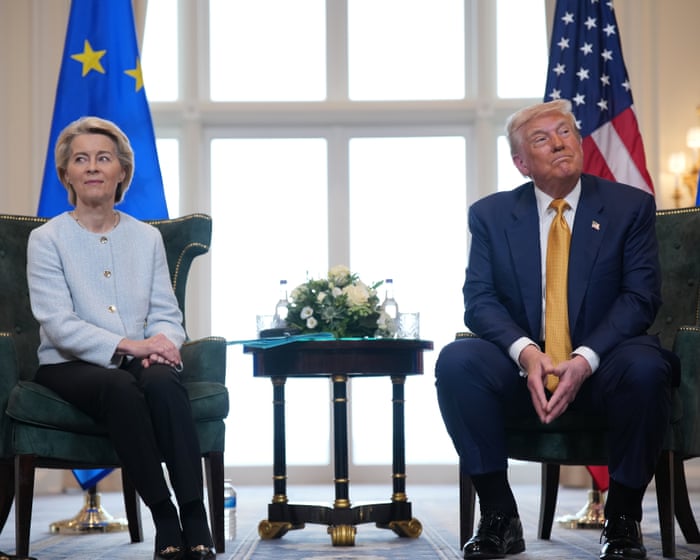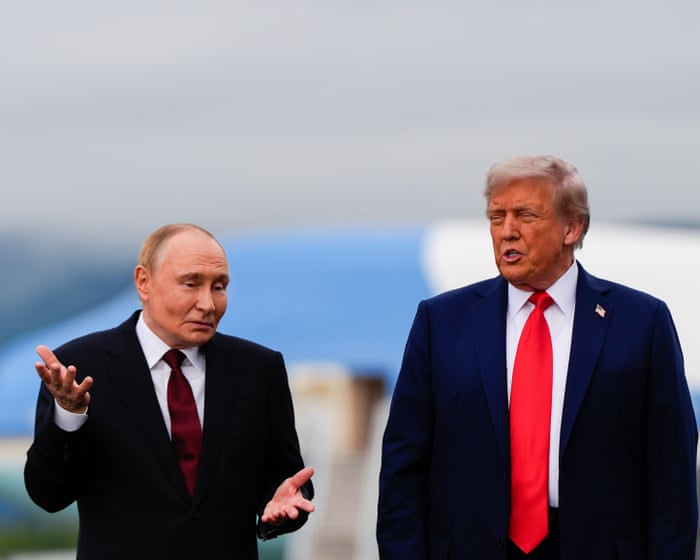
Kreml poinformował, że Władimir Putin otrzymał zaproszenie do dołączenia do "rady pokoju" Donalda Trumpa, powołanej w zeszłym tygodniu w celu nadzorowania zawieszenia broni w Strefie Gazy.
Rzecznik Kremla Dmitrij Pieskow powiedział dziennikarzom w poniedziałek, że Rosja dąży do "wyjaśnienia wszystkich niuansów" oferty z Waszyngtonem przed udzieleniem odpowiedzi.
Zaproszenie to przychodzi w czasie, gdy Putin nie wykazuje oznak zakończenia swojej inwazji na Ukrainę, konfliktu, który spowodował setki tysięcy ofiar śmiertelnych i obejmował zbrodnie rosyjskich sił na cywilach. Prezydent Rosji wielokrotnie odrzucał propozycje zawieszenia broni oparte na obecnych liniach frontu.
Kreml wspomniał również w poniedziałek, że specjalny wysłannik Putina, Kirył Dmitrijew, weźmie udział w Światowym Forum Ekonomicznym w Davos w tym tygodniu i spotka się z członkami delegacji USA. Nie jest jasne, czy podczas tych spotkań będą omawiane kwestie związane z radą ds. Gazy.
Zaproszenie dla Putina, które nie zostało jeszcze potwierdzone przez Waszyngton, rodzi dalsze pytania dotyczące zamierzonego celu rady. Pierwotnie będąca częścią propozycji zawieszenia broni Trumpa w wojnie w Gazie, rada miała nadzorować przejście do trwałego pokoju w regionie i czuwać nad komitetem palestyńskich ekspertów, również ogłoszonym w zeszłym tygodniu, który miałby zajmować się codzienną administracją Gazy. Ten mgliście zarysowany plan został poparty w rezolucji Rady Bezpieczeństwa ONZ w listopadzie.
Pierwsze nominacje do rady, ogłoszone w piątek, obejmują samego Trumpa jako przewodniczącego, byłego brytyjskiego premiera Tony'ego Blaira, obecnego sekretarza stanu USA Marco Rubio, wysłannika Trumpa ds. rozwiązywania problemów i dewelopera nieruchomości Steve'a Witkoffa, zięcia prezydenta Jareda Kushnera oraz prezesa Banku Światowego Ajaya Bangę.
W weekend okazało się, że Trump wysłał również zaproszenia do przywódców kilku innych krajów, w tym Argentyny, Paragwaju, Turcji, Egiptu, Kanady i Tajlandii. Białoruś ogłosiła, że jej przywódca Aleksandr Łukaszenko został zaproszony i przyjął ofertę. Listy zapraszające zawierały "kartę", w której stwierdzono, że rada będzie dążyć do "umocnienia pokoju na Bliskim Wschodzie" i "rozpoczęcia nowej, śmiałej strategii rozwiązywania globalnych konfliktów".
Karta opisuje radę jako "organizację międzynarodową, która dąży do promowania stabilności, przywracania wiarygodnych i zgodnych z prawem rządów oraz zapewniania trwałego pokoju na obszarach dotkniętych lub zagrożonych konfliktem". Dodaje, że rada powinna mieć "odwagę, aby odejść od podejść i instytucji, które zbyt często zawodziły", co jest prawdopodobnie krytyką ONZ.
Włączenie Putina do globalnego organu mającego nadzorować pokój na całym świecie wzmocniłoby od dawna istniejące podejrzenia, że Trump w swoim podejściu do konfliktu na Ukrainie zdecydowanie faworyzuje Putina.
Choć Trump zapraszał na radę przyjaznych przywódców, to w weekend wysłał również list do premiera Norwegii Jonasa Gahra Støre, w którym stwierdził: "biorąc pod uwagę, że wasz kraj zdecydował się nie przyznać mi Pokojowej Nagrody Nobla za powstrzymanie 8 wojen PLUS, nie czuję już obowiązku myślenia wyłącznie o Pokoju".
Trump zwiększa presję na Danię i inne kraje europejskie, aby zaakceptowały jego plany przejęcia Grenlandii, autonomicznego terytorium duńskiego, i nałożył środki karne na narody europejskie, które najbardziej sprzeciwiały się jego propozycji.
Wśród krajów objętych tymi działaniami jest Wielka Brytania, a premier Keir Starmer potępił w poniedziałek cła jako "całkowicie błędne", powtarzając, że "jakakolwiek decyzja dotycząca Grenlandii należy wyłącznie do mieszkańców Grenlandii i Danii". Jednak Starmer nie zobowiązał się do nałożenia odwetowych ceł na USA i bagatelizował prawdopodobieństwo, że Trump faktycznie zrealizuje swoje plany.
Tymczasem rzecznik Kremla Pieskow zasugerował, że przejęcie Grenlandii przez USA zapewniłoby Trumpowi miejsce w historii. "Tutaj możemy może pominąć kwestię, czy to jest dobre, czy złe, czy jest zgodne z prawem międzynarodowym" – powiedział Pieskow, dodając, że "z pewnością przejdzie to do historii".
Często zadawane pytania
Oczywiście Oto lista często zadawanych pytań dotyczących doniesień o zaproszeniu prezydenta Putina do dołączenia do rady pokoju ds. Gazy zaproponowanej przez Donalda Trumpa.
Początkujący Pytania faktograficzne
1. Czym jest ta omawiana rada pokoju?
Jest to proponowana grupa doradcza, o której doniesiono, że została zaproponowana przez byłego prezydenta USA Donalda Trumpa, aby pomóc w wynegocjowaniu porozumienia pokojowego w konflikcie w Gazie. Dokładne szczegóły, członkostwo i uprawnienia takiej rady nie są jeszcze określone.
2. Czy to oficjalny plan pokojowy, czy tylko pomysł?
Na razie wydaje się, że jest to propozycja lub pomysł wysunięty przez Donalda Trumpa, który obecnie jest kandydatem na prezydenta. Nie jest to oficjalna polityka ani formalny plan żadnego rządu czy organizacji międzynarodowej, takiej jak Organizacja Narodów Zjednoczonych.
3. Czy Kreml naprawdę powiedział, że Putin został zaproszony?
Tak, rzecznik Kremla Dmitrij Pieskow potwierdził dziennikarzom, że otrzymano zaproszenie dla prezydenta Putina do udziału w takiej radzie i że ogólnie postrzegają je pozytywnie. Zaznaczył, że szczegóły będą musiały zostać przeanalizowane.
4. Kto dokładnie zaprosił Putina?
Według Kremla zaproszenie pochodziło od Donalda Trumpa. Ważne jest, aby zauważyć, że jest to komunikacja między kandydatem politycznym a przywódcą zagranicznym, a nie kanał dyplomatyczny między państwami.
5. Czy Putin przyjął zaproszenie?
Nieoficjalnie. Kreml stwierdził, że postrzega ten pomysł pozytywnie, ale nie potwierdził udziału Putina. Zaznaczyli, że najpierw należy wyjaśnić szczegóły.
Zaawansowane Pytania analityczne
6. Dlaczego Trump zaprosiłby Putina, biorąc pod uwagę wojnę na Ukrainie?
Analitycy sugerują kilka powodów: aby zaprezentować zdolność Trumpa do negocjacji z głównymi światowymi przywódcami, aby pozycjonować się jako wyjątkowy twórca pokoju poza obecnymi ramami dyplomatycznymi i ewentualnie wykorzystać wpływy Rosji wobec regionalnych aktorów, takich jak Iran.
7. Jakie są potencjalne korzyści z udziału Putina w takiej radzie?
Zwolennicy mogą argumentować, że Rosja jest mocarstwem mającym powiązania z kluczowymi graczami na Bliskim Wschodzie i mogłaby zwiększyć presję lub zaoferować kanały niedostępne dla zachodnich mediatorów. Teoretycznie mogłoby to wprowadzić kolejny wpływowy głos do rozmów.
8. Jakie są główne problemy lub krytyka tego pomysłu?
Krytycy podkreślają kilka kwestii:
Legitymizacja / Stronniczość: Rosja jest powszechnie postrzegana jako strona nieneutralna, biorąc pod uwagę jej własne działania militarne na Ukrainie i sojusze na Bliskim Wschodzie.