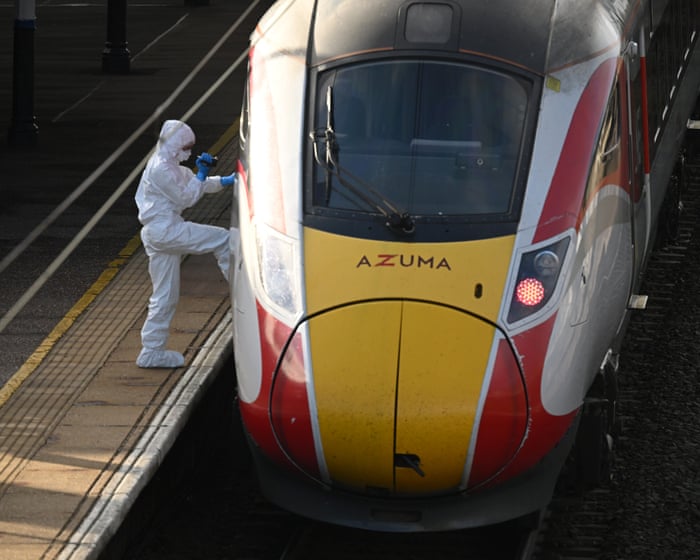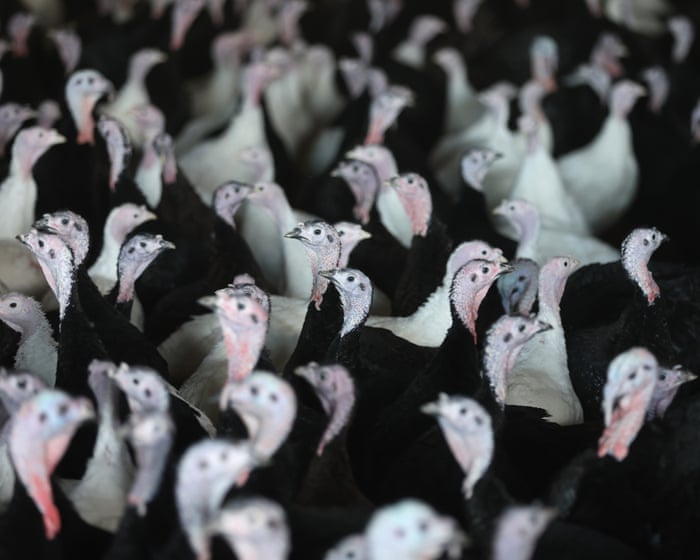
Several major UK supermarkets have had to import turkeys from other parts of Europe to ensure shelves remain stocked this Christmas, following a reduction in UK production due to avian flu.
Asda, Lidl, and Morrisons are understood to be stocking branded turkey from mainland Europe—a move described by industry sources as “unprecedented”—to maintain availability and secure enough supply for festive meals. All three retailers’ own-label fresh and frozen turkeys will be sourced entirely from Britain. However, Morrisons is offering Bernard Matthews-branded turkey from Poland, and Asda is selling a Cherrywood-branded turkey crown from mainland Europe. Lidl noted that a small portion of its branded frozen turkey, sold under the Gressingham label, comes from the EU.
More than one industry source also indicated that Aldi is sourcing turkeys from Europe. The retailer was contacted for comment. It is understood that non-British birds will make up less than 10% of total expected sales.
A spokesperson for the British Poultry Council explained that retailers often supplement stocks with imported birds to offer customers a wide range during the Christmas season. However, one industry source noted, “Only in exceptional circumstances would we consider alternatives [to UK birds] to maintain availability for customers.”
Marks & Spencer confirmed that all its turkey is sourced from Britain or Ireland, in line with its commitment to local sourcing. The Co-op, Sainsbury’s, and Tesco also stated their turkeys are entirely British-sourced.
Matt Hood, a managing director at the Co-op, said, “We are proud to be selling 100% British turkeys this Christmas, as we work year-round to support farmers and uphold our commitment to backing Britain by only selling British meat and poultry. We recognize the extreme pressure poultry farmers are currently facing, especially turkey farms, which are heavily focused on this time of year. It is crucial that retailers support and invest in the British farming industry to help it withstand the challenges posed by nature.”
According to the British Poultry Council, UK poultry producers are facing a severe avian flu outbreak this season, with cases significantly higher than at the same time last year, reducing supplies of Christmas birds such as turkeys, chickens, and ducks. Less than three months into this season, there have been 70 confirmed cases of bird flu across the UK, mostly in England. This figure is close to the 81 cases recorded throughout the entire previous season, which ran from October 1, 2024, to September 30 this year.
In England, birdkeepers with flocks of more than 50 birds were required to house them indoors starting November 6, extending earlier measures in northern, central, and parts of eastern England due to escalating outbreaks in captive and wild birds. A similar housing order took effect in Wales on November 13.
It is estimated that more than 5% of the UK’s Christmas poultry flock—including turkeys, ducks, and chickens, totaling about 300,000 birds—have been culled so far this season. Smaller retailers may find it harder to source birds or may need to raise prices to cover increased costs.
Will Raw, chair of the National Farmers’ Union’s national poultry board, stated that British poultry farmers are not aware of widespread shortages despite the outbreak. The UK consumes more poultry than it produces domestically. Raw, who farms broiler chickens in Yorkshire, said, “My heart goes out to anyone affected, but we have measures in place. We have learned many lessons from the 2022-23 experience and implemented housing measures much sooner. We have worked closely with the government to ensure both the welfare of the birds and minimal disruption to the supply chain.”We always ask our customers to look for British products or the Union Jack. What we produce meets the highest possible standards—the welfare and care of our birds is our top priority.
Frequently Asked Questions
FAQs UK Supermarkets Sourcing Turkeys from Europe
BeginnerLevel Questions
1 Why are UK supermarkets suddenly getting turkeys from Europe
Due to a severe outbreak of avian flu in the UK many British turkey farms have been affected leading to a significant shortage of homereared birds for this Christmas
2 What is avian flu and how does it cause a turkey shortage
Avian flu is a highly contagious viral disease in birds To stop it spreading entire flocks on infected farms must be culled This has drastically reduced the number of turkeys available from UK producers
3 Will I still be able to buy a turkey for Christmas
Yes you should still be able to buy one Supermarkets are importing more turkeys from European countries to make up for the shortfall and meet demand
4 Are European turkeys different from British ones
In terms of the meat itself there is little difference for standard supermarket turkeys The main differences may be in farming standards feed and breed which can slightly affect taste and texture They will be clearly labelled with their country of origin
5 Will turkeys from Europe be more expensive
Possibly Increased costs for import logistics coupled with high demand and lower supply may lead to higher prices compared to previous years
Advanced Practical Questions
6 Which supermarkets are affected and which are sourcing from Europe
Almost all major supermarkets are affected by the UK shortage Most have confirmed they are supplementing their supply with imported European turkeys to ensure availability
7 How does importing help Doesnt Europe have avian flu too
While Europe has also had outbreaks the impact has been less severe in some key poultryproducing regions this season By sourcing from multiple countries across Europe supermarkets can spread the risk and secure enough birds
8 What are the welfare and safety standards for imported turkeys
All turkeys imported into the UK must meet strict EU and UK food safety standards Welfare standards in the EU are high though they may differ from specific UK assurance schemes like Red Tractor The food is perfectly safe to eat