Bulgarians are heading to the polls for the eighth parliamentary election in just five years. The clear frontrunner is pro-Russian former president Rumen Radev, who has pledged to tackle corruption and put an end to a string of weak, short-lived governments.
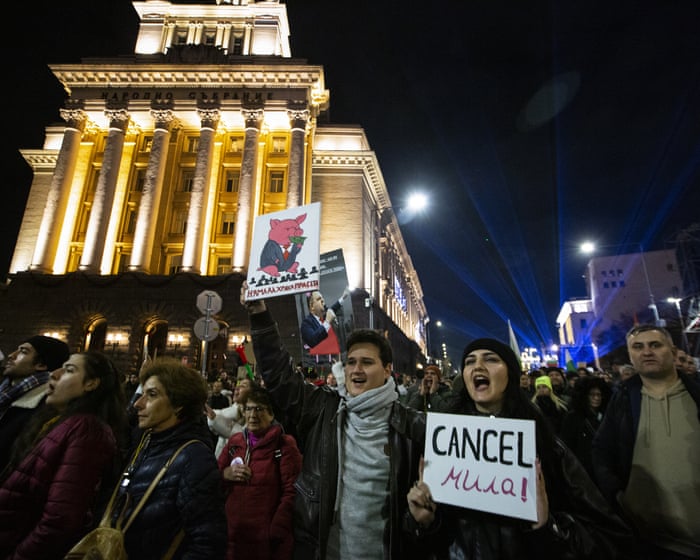
Radev, a Eurosceptic former fighter pilot who has opposed military aid for Ukraine, left the presidency in January to run in this election. The vote follows mass protests that ousted the previous government in December.
Polished social media campaigns and promises of stability have increased Radev’s support in this Balkan nation of roughly 6.5 million people. Voters are tired of the cycle of elections and a small circle of long-serving politicians widely seen as corrupt.
“We finally need a path to a democratic, modern, European Bulgaria,” Radev said after voting in Sofia. “We need our strong program in parliament to help Bulgarian citizens emerge from this very difficult situation as soon as possible.”
On relations with Moscow, he added, “I hope we will develop practical relations with Russia based on mutual respect and equal treatment.”
Bulgaria has progressed rapidly since the fall of communism in 1989 and joined the EU in 2007. Life expectancy has risen significantly, unemployment is among the EU’s lowest, and entering the eurozone in January is seen as bolstering economic safeguards.
However, Bulgaria still trails behind other EU members in many areas, and past elections have been marred by concerns over vote-buying.
The cost of living has become a major issue since Bulgaria, also a NATO member, adopted the euro. The last government collapsed amid protests against a budget that proposed tax hikes and higher social security payments.
This economic pressure and the recent political turmoil seem as important to voters as Radev’s calls to mend ties with Moscow or restart Russian oil and gas flows to Europe.
“Politicians need to come together and make decisions—not have constant conflicts and arguments, going from one election to another without getting anything done,” said Bogomil Bardarski, a 72-year-old metalworker who voted in Sofia.
Opinion polls on Friday indicated Radev’s Progressive Bulgaria party would win about 35% of the vote. This would be one of the strongest showings by a single party in years, though still short of a parliamentary majority.
Voter interest appears higher this time. A poll by Sofia-based Alpha Research predicts a turnout of around 60%, nearly double the 34% seen in June 2024.
These numbers reflect frustration with the long dominance of the center-right GERB party, led by former prime minister Boyko Borissov, which is polling second at about 18%. Discontent also extends to the centrist Movement for Rights and Freedoms party, whose leader, Delyan Peevski, is under U.S. and UK sanctions for corruption.
A potential coalition partner could be the pro-European We Continue the Change – Democratic Bulgaria (PP-DB) coalition, which also advocates for reform.
Critics argue Radev shares responsibility for controversial decisions made by interim governments he appointed during his presidency from 2016. These include a 2023 gas deal between Turkey’s Botas and Bulgaria’s Bulgargaz that resulted in losses and sparked an investigation.
“The state is basically falling apart,” said Evgeniy Shoh, a 50-year-old IT specialist who voted in Sofia.
Frequently Asked Questions
FAQs Bulgarias Elections the ProRussian Former President Leading in Polls
BeginnerLevel Questions
1 What elections are happening in Bulgaria
Bulgaria is holding a parliamentary election to choose members for its National Assembly This is the sixth such election in just over three years due to political instability and difficulty forming a lasting government
2 Who is the proRussian former president leading in the polls
This refers to Boyko Borissov He served as Prime Minister for over a decade and was President from 20012002 His centerright party GERB is currently polling first He is known for maintaining pragmatic friendly relations with Russia while Bulgaria is an EU and NATO member
3 Why is this election important
Its crucial for ending Bulgarias political deadlock The result will determine if a stable government can be formed to address economic issues corruption and Bulgarias stance on major foreign policy matters like the war in Ukraine
4 What does proRussian mean in this context
It doesnt necessarily mean wanting to leave the EU or NATO For Borissov and GERB it has historically meant advocating for strong economic ties with Russia avoiding harsh criticism of the Kremlin and taking a more neutral or cautious stance on sanctions against Russia over Ukraine
Advanced InDepth Questions
5 If GERB wins will Bulgaria change its support for Ukraine
A significant immediate reversal is unlikely as Bulgarias EU and NATO membership sets clear parameters However a GERBled government would likely soften Bulgarias stance potentially slowing military aid opposing further sanctions that hurt Bulgarian interests and pushing for more diplomatic dialogue The current more staunchly proWestern caretaker governments policies could be revised
6 What are the main issues driving voters in this election
Cost of Living High inflation and economic instability
Corruption Widespread public frustration with graft among political elites
Foreign Policy Direction A divide between a more proWestern EUintegration path and a traditionally Russophile orientation
Political Fatigue Voters are tired of constant elections and want a stable functioning government
7 Could a proRussian party actually lead an EUNATO country
Yes Membership in these bl