It is now clear that the ceasefire in Gaza is merely a “reducefire.” The assault continues, with near-daily attacks on the territory. In a single day at the end of October, nearly 100 Palestinians were killed. On November 19, 32 were killed; on November 23, 21. The toll keeps rising. Since the ceasefire, over 300 have been killed and nearly 1,000 injured—numbers that will only increase. The real change is that the ceasefire has lessened global attention and scrutiny. Meanwhile, Israel’s emerging strategy becomes clearer: a bloody domination not only in Gaza, but across Palestine and the wider region.
Amnesty International’s secretary general, Agnès Callamard, described this post-ceasefire period as a “dangerous illusion that life in Gaza is returning to normal.” She noted that Israeli authorities have reduced attacks and allowed some aid into Gaza, but warned, “the world must not be fooled. Israel’s genocide is not over.” Not a single hospital in Gaza is fully operational. With the onset of rain and colder weather, thousands are left exposed in dilapidated tents. Since the ceasefire on October 10, Israeli authorities have denied entry to almost 6,500 tonnes of UN-coordinated relief materials. According to Oxfam, in just the two weeks after the ceasefire, shipments of water, food, tents, and medical supplies from 17 international NGOs were blocked.
As a result, a population whose homes, livelihoods, and stable shelter have been destroyed is still prevented from securing safer tents or adequate food. Israeli authorities hold people in Gaza in a painful limbo, continuing collective punishment, blocking the conditions for a normal life, and establishing Israel as the sole, unaccountable ruler with unlimited power over the territory’s inhabitants.
Gaza is at the forefront of an expansion of Israeli imperialism, extending to the West Bank and beyond. In the occupied West Bank, a crackdown that intensified after October 7, 2023, continues to escalate into a full military siege. Tens of thousands of Palestinians have been forced from their homes this year in a pattern that Human Rights Watch says amounts to “war crimes, crimes against humanity, and ethnic cleansing … that should be investigated and prosecuted.” Last week, footage emerged showing two Palestinian men in Jenin being executed by Israeli soldiers after appearing to surrender. Far-right National Security Minister Itamar Ben-Gvir said the forces involved have his “full backing,” adding they “acted exactly as expected of them—terrorists must die.”
This is only a small, rarely filmed glimpse into the bloodshed. Over the past two years, more than 1,000 people have been killed by Israeli forces and settlers in the West Bank, one in five of them children. More than 300 cases are suspected “extrajudicial executions.” In October this year, the UN recorded over 260 settler attacks—the highest level since it began tracking 20 years ago. More than 93% of investigations into these attacks end without charges. Many Palestinian prisoners are reported to die in Israeli prisons due to physical violence or medical neglect, and those who survive describe a hellscape of torture and abuse.
Yet, the scope of Israel’s mandate to assault, kill, and seize land continues to widen. Last week, Israeli forces launched a ground incursion into southern Syria, killing 13 Syrians, including children. The Israeli military refused to provide details on the group it claimed to target, simply reserving the right to operate in Syrian territory—as it has done repeatedly since invading and occupying the buffer zone between the two countries and other parts of southern Syria. Since then, Israeli forces have been accused by Human Rights Watch of serious violations.Israel is applying the same colonial tactics seen in the Palestinian territories to other areas: forced displacement, home seizures, demolitions, the destruction of livelihoods, and the unlawful transfer of Syrian detainees to Israel. Israel intends to maintain this presence indefinitely.
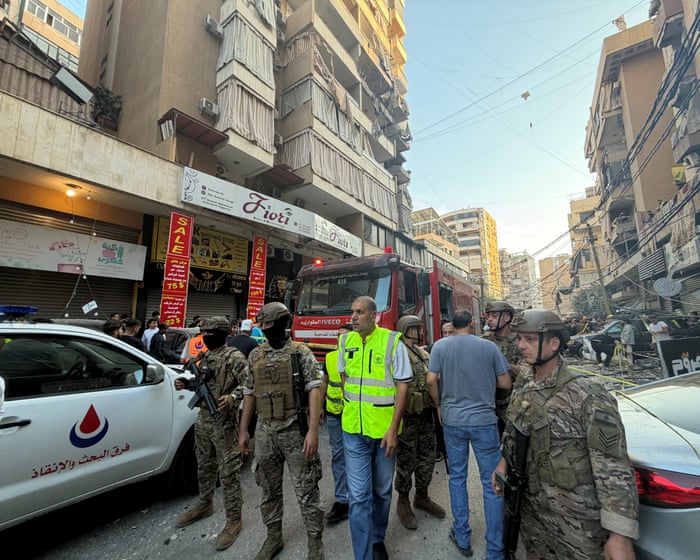
In Lebanon, 64,000 people remain displaced from their homes following last year’s war, and Israeli attacks have been intensifying. Despite a negotiated peace deal last November, Israel continues to launch almost daily bombings on Lebanese territory, with the latest occurring just last week. Israel also occupies five vantage points from which it attacks what it claims are Hezbollah-linked targets. According to a UN peacekeeping force in Lebanon, Israel has committed more than 10,000 air and ground violations of the ceasefire, resulting in hundreds of deaths. Once again, civilians are being driven from their land, left vulnerable to Israeli military assaults, and subjected to a form of Israeli super-sovereignty. A recent New York Times report noted that “the situation in Lebanon offers a compelling example of a new Middle East where Israel’s reach is near ubiquitous.”
What kind of ceasefires are these? What kind of status quo is this? The answer is a volatile and unsustainable one, in which no reasonable person can expect peace to materialize—neither in Palestine nor in the wider Middle East. Diplomats and stakeholders may speak of phased ceasefires and reconstruction plans, but these are blueprints for a future that will never arrive unless Israel ends its unlawful actions in territories over which it has no legal claim. The dangerous illusion that life is returning to normal applies not only in Gaza but across Palestine and the wider region. That illusion will soon shatter.
Frequently Asked Questions
Of course Here is a list of FAQs about the broader regional military situation framed in a natural tone
BeginnerLevel Questions
1 Whats happening I thought the conflict was only in Gaza
While the war in Gaza is the most intense focus there are also significant clashes and military operations happening in the occupied West Bank along Israels northern border with Lebanon and there have been strikes targeting Iranlinked forces in Syria
2 Why is Israel also operating in the West Bank
Israel states these operations are to dismantle militant networks and prevent attacks originating from the West Bank especially following the October 7th attacks Palestinians and human rights groups view it as an escalation of a longstanding occupation involving increased raids arrests and settler violence
3 Who is Israel fighting on the border with Lebanon
It is primarily exchanging fire with Hezbollah a powerful Lebanese political party and militant group Hezbollah says it is acting in solidarity with Gaza This has caused casualties and displacement on both sides of the border
4 What does Syria have to do with this
Israel has conducted airstrikes in Syria for years targeting what it says are Iranian weapons transfers and militia positions that could threaten its security These strikes have continued and at times intensified during the Gaza war
5 Is this turning into a bigger regional war
Many governments and analysts fear this is a major risk The interconnected conflicts with Iranianbacked groups and direct strikes between Israel and Iran have raised concerns about a wider war though all sides have so far seemed to avoid a fullscale escalation
Advanced Contextual Questions
6 How are the conflicts in Gaza the West Bank Lebanon and Syria connected
They are connected through key regional actors and alliances Hamas and Hezbollah are both supported by Iran and part of what is called the Axis of Resistance opposing Israel and the US Actions in one theater are often linked to solidarity or deterrence in another
7 Whats different about the violence in the West Bank now compared to before October 7th
The scale and intensity have increased dramatically Death tolls from Israeli raids are at levels not seen in nearly two decades There is also a noted rise in violence by Israeli settlers against Palestinian civilians