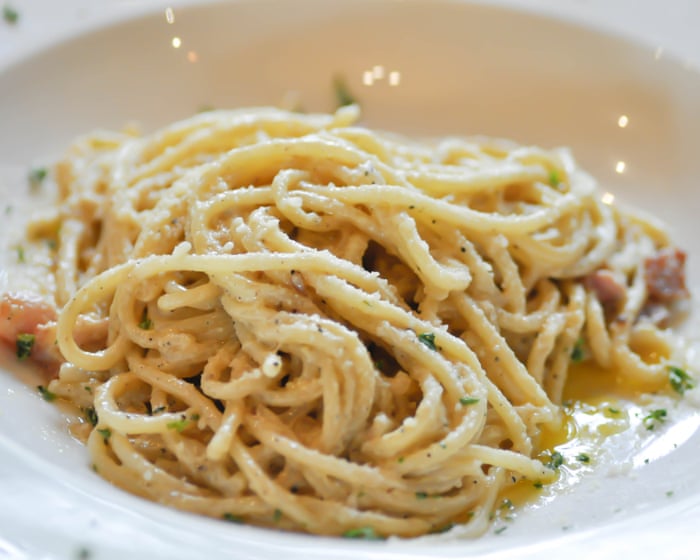
The U.S. government has significantly lowered planned tariffs on Italian pasta, which would have nearly doubled the price of many brands for American consumers. Former President Donald Trump had threatened tariffs as high as 92% on Italian pasta companies, accusing 13 producers—including Barilla, La Molisana, and Pastificio Lucio Garofalo—of selling their products at unfairly low prices. Italy exports an estimated $770 million worth of pasta to the U.S. each year.
On Thursday, the Italian government announced that the U.S. Department of Commerce (DoC) had reviewed the proposed tariffs and reduced them to a range of 2% to 14%. Any additional duties on Italian pasta makers would be added to the existing 15% tariff that Trump placed on most goods imported from the EU into the U.S. However, the DoC noted that it has not yet made a final decision on the exact tariff levels.
The department stated that a preliminary analysis released earlier this week showed Italian pasta makers had “addressed many of [the DoC’s] questions.” The final results of the analysis will be announced on March 12, at which point a decision on import duties will be made.
The U.S. has indicated that the 13 companies under review account for about 16% of pasta imported from Italy to the U.S. Coldiretti, Italy’s agribusiness association, had warned that the original tariffs would be a “fatal blow” to the country’s pasta industry. The European Commission had said it would step in if necessary.
Italy’s foreign ministry reported that the preliminary review suggests La Molisana would face a duty of 2.26%, Garofalo about 14%, and the remaining 11 producers 9.09%. The ministry stated, “The recalculation of the duties is a sign that U.S. authorities recognize our companies’ constructive willingness to cooperate.”
This shift on pasta tariffs came a day after the U.S. administration announced it would delay planned tariff increases on upholstered furniture, kitchen cabinets, and vanities for another year. Duties on kitchen cabinets and vanities were set to rise from 25% to 50% on January 1, while tariffs on upholstered furniture were to increase from 25% to 30%. The White House said the U.S. continues to “engage in productive negotiations with trade partners.”
Frequently Asked Questions
Of course Here is a list of FAQs about the temporary exemption for Italian pasta makers from US tariffs written in a clear and natural tone
Beginner General Questions
1 What exactly happened with the tariffs on Italian pasta
The US government had placed a 25 tariff on many food imports from the European Union including Italian pasta In late 2020 a temporary exemption was granted specifically for certain types of Italian pasta pausing those tariffs for a set period
2 Why were there tariffs on Italian pasta in the first place
The tariffs were part of a longrunning trade dispute between the US and the EU over government subsidies given to Airbus and Boeing The US used these tariffs as a retaliatory measure
3 So can I buy Italian pasta without the extra tariff cost now
For the specific pasta types covered by the exemption yes the 25 tariff was temporarily removed This likely helped keep prices more stable for consumers during the exemption period
4 Which types of pasta were exempted
The exemption primarily covered dry pasta in shapes like spaghetti macaroni and fettuccine It did not apply to fresh pasta stuffed pasta or eggbased pasta
5 Is this exemption permanent
No it was explicitly a temporary exemption It was initially granted for a 4month period and was subject to review and potential extension or expiration
Advanced Practical Questions
6 What was the main goal of granting this exemption
The stated goal was to avoid supply shortages and significant price hikes for US consumers and businesses that rely on affordable highquality Italian dry pasta especially during the pandemic
7 How did this affect American pasta companies
American pasta manufacturers were generally opposed to the exemption They argued that the tariffs were necessary to protect domestic producers and make their pasta more competitive against imported Italian pasta
8 Whats the difference between dry pasta and fresh pasta in trade terms
This is a key distinction