În prima lună a războiului dintre SUA și Israel din Iran, cele 100 de cele mai mari companii de petrol și gaze din lume au obținut profituri neașteptate de peste 30 de milioane de dolari pe oră, conform unei analize exclusive pentru Guardian. Beneficiari majori precum Saudi Aramco, Gazprom și ExxonMobil – oponenți cheie ai acțiunilor climatice – continuă să prospere.
Conflictul a dus prețurile petrolului la o medie de 100 de dolari pe baril în martie, generând profituri neașteptate estimate la 23 de miliarde de dolari legate de război pentru aceste companii în acea lună. Având în vedere că aprovizionarea cu petrol și gaze este așteptată să revină la nivelurile dinaintea războiului în câteva luni, companiile ar putea obține 234 de miliarde de dolari până la sfârșitul anului dacă prețurile rămân în medie la 100 de dolari. Analiza se bazează pe date de la Rystad Energy, revizuite de Global Witness.
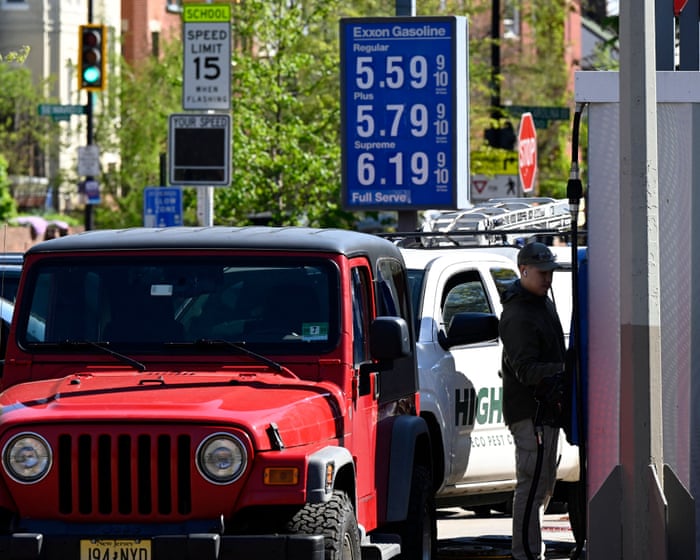
Aceste profituri excesive vin pe seama oamenilor obișnuiți, care se confruntă cu costuri mai mari pentru combustibil și energie la domiciliu, și a afacerilor care se ocupă cu facturi energetice crescute. Multe țări, inclusiv Australia, Africa de Sud, Italia, Brazilia și Zambia, au redus taxele pe combustibil pentru a ajuta consumatorii, reducând veniturile publice pentru servicii esențiale.
Apelurile pentru impozite pe profiturile neașteptate ale companiilor de petrol și gaze din război sunt din ce în ce mai numeroase. Comisia Europeană analizează o propunere a miniștrilor de finanțe din Germania, Spania, Italia, Portugalia și Austria, care susțin că cei care profită de pe urma războiului ar trebui să ajute la ușurarea povării publice. Într-o scrisoare din 4 aprilie, miniștrii au afirmat că astfel de taxe ar putea finanța măsuri temporare de sprijin pentru consumatori și ar putea tempera inflația fără a tensiona bugetele publice. Costurile cu combustibilii fosili din UE au crescut cu 22 de miliarde de euro de la începutul războiului.
Aramco este cel mai mare câștigător, proiectat să obțină 25,5 miliarde de dolari profituri din război în 2026 dacă petrolul va avea o medie de 100 de dolari pe baril. Acestea se adaugă la profiturile sale zilnice deja masive de 250 de milioane de dolari între 2016 și 2023. Arabia Saudită a condus de mult eforturile de a obstrucționa acțiunile climatice internaționale.
Trei companii rusești – Gazprom, Rosneft și Lukoil – sunt estimate să obțină 23,9 miliarde de dolari profituri din război până la sfârșitul anului. Conflictul a sporit și resursele lui Vladimir Putin pentru războiul din Ucraina, veniturile zilnice din exporturile de petrol ale Rusiei atingând 840 de milioane de dolari în martie, o creștere de 50% față de februarie.
ExxonMobil, cu o istorie de negare a schimbărilor climatice, ar putea obține 11 miliarde de dolari profituri neașteptate din război în 2026 dacă prețurile se mențin. Shell ar putea câștiga 6,8 miliarde de dolari. Valorile de piață ale ambelor companii au crescut semnificativ de la începutul războiului, ExxonMobil înregistrând o creștere de 118 miliarde de dolari, iar Shell de 34 de miliarde de dolari.
Chevron este pe cale să obțină 9,2 miliarde de dolari profituri neașteptate din război, în timp ce directorul său general, Mike Wirth, a vândut acțiuni ale companiei în valoare de 104 milioane de dolari între ianuarie și martie.
Impactul războiului asupra piețelor energetice este așteptat să fie profund. Fatih Birol, șeful Agenției Internaționale pentru Energie, l-a numit cel mai mare șoc din istorie pentru piețele energetice globale. În martie, șeful ONU pentru climă, Simon Stiell, a avertizat că dependența de combustibilii fosili subminează securitatea națională și crește costurile, pledând pentru energia regenerabilă ca alternativă stabilă, imună la riscurile geopolitice.
Decenii la rând, industria de petrol și gaze a fost imens de profitabilă pentru statele petroliere și acționari. În ultimii cincizeci de ani, sectorul a înregistrat în medie un profit net de 1 trilion de dolari anual, cu câștiguri și mai mari în timpul crizelor precum cea din 2022, după invazia la scară largă a Rusiei în Ucraina. Industria de combustibili fosili primește și sprijin substanțial, cu subvenții explicite atingând 1,3 trilioane de dolari în 2022, conform Fondului Monetar Internațional.
Patrick Galey, șef al investigațiilor de știri la Global Witness, a comentat: "Crizele globale continuă să aducă profituri record pentru marile companii petroliere, în timp ce oamenii obișnuiți suportă costul. Până când guvernele nu își vor rupe dependența de combustibilii fosili, puterea noastră de cheltuială va rămâne la mila liderilor volatili."
Jess Ralston, șef al energiei la Energy and Climate Intelligence Unit, a adăugat: "Această criză a petrolului și gazelor evidențiază din nou prețul dependenței noastre de combustibilii fosili instabili. Investițiile în tehnologii cu emisii nete zero nu sunt doar calea către o securitate energetică durabilă, ci și singura modalitate de a restabili echilibrul climatic. Propunerile de a crește producția de combustibili fosili sau de a se retrage de la angajamentele privind emisiile nete zero în timpul acestei crize nu ar face decât să slăbească securitatea noastră energetică și să ne sporească vulnerabilitatea la impacturile climatice dăunătoare."
Beth Walker, expertă în politică energetică la think tank-ul E3G, a declarat: "Guvernele ar trebui să folosească taxele pe profiturile neașteptate pentru a accelera trecerea la energie verde, mai degrabă decât să adâncească dependența noastră de combustibilii fosili."
Saudi Aramco, Shell și TotalEnergies au refuzat să comenteze, în timp ce ExxonMobil, Chevron, Gazprom, Petrobras și ADNOC nu au răspuns la solicitări.
Profiturile estimate din război au fost calculate folosind baza de date UCube a Rystad Energy, care combină date globale câmp cu câmp, știri și informații, luând în considerare cererea de petrol și gaze pentru a proiecta aprovizionarea din fiecare câmp.
Profiturile neașteptate din război au fost determinate prin compararea fluxului de numerar liber din producția de petrol și gaze în martie, când petrolul a avut o medie de 100 de dolari pe baril, cu prețul de 70 de dolari dinaintea războiului din Iran. Aceste date reflectă profitul estimat din activitățile de explorare și producție după impozite, redevențe și cheltuieli de capital și operaționale.
Țările care își extind capacitatea de energie regenerabilă sunt parțial protejate de creșterile de preț și profiturile din război. De exemplu, energia eoliană și solară din Marea Britanie au evitat importurile de gaze în valoare de 1 miliard de lire sterline doar în martie. Între 2010 și 2025, energia eoliană este estimată să fi economisit consumatorilor aproximativ 100 de miliarde de lire sterline.
Maria Pastukhova, lider al programului de tranziție energetică la E3G, a remarcat că atâta timp cât locuințele, transportul și industria se bazează pe petrol și gaze, Marea Britanie și alți importatori de combustibili fosili rămân vulnerabili la șocurile globale de preț cauzate de conflict, puncte critice de aprovizionare și volatilitatea pieței. "Nu contează dacă combustibilul provine din Marea Nordului sau din străinătate; expunerea Marii Britanii rămâne", a spus ea. "Creșterea producției de combustibili fosili din Marea Britanie este, prin urmare, un răspuns slab la nesiguranța energetică."
Un purtător de cuvânt al guvernului britanic a răspuns: "Guvernul este angajat să protejeze oamenii în timpul acestei crize. Accelerăm tranziția către energie curată, produsă intern, pentru a proteja publicul britanic și a reduce facturile pe termen lung. Am luat și măsuri pentru a preveni practicile nedrepte precum supraîncărcarea prețurilor, a sprijini cei care folosesc ulei de încălzire și a ne asigura că gospodăriile și întreprinderile primesc prețuri corecte pe facturile lor."
Întrebări frecvente
Întrebări frecvente despre profiturile marilor companii petroliere și războiul
Întrebări de nivel începător
1. Ce înseamnă acest titlu?
Înseamnă că o analiză recentă a calculat că marile companii de petrol și gaze câștigă colectiv aproximativ 30 de milioane de dolari în plus ca profit în fiecare oră față de perioada dinaintea războiului din Ucraina și că acești bani în plus provin în cele din urmă din prețurile mai mari plătite de consumatori.
2. Cum poate un război să aducă companiilor petroliere atât de mult mai mulți bani?
Războiul a perturbat piețele energetice globale. Sancțiunile au redus aprovizionarea din Rusia, iar incertitudinea pieței a determinat prețul global al petrolului și gazelor să crească brusc. Deoarece aceste companii vând petrol și gaze, ele câștigă mult mai mulți bani când prețurile sunt ridicate, chiar dacă costurile lor nu cresc în aceeași măsură.
3. Acești 30 de milioane pe oră în plus sunt toți profit?
Analiza se referă la aceștia ca profituri neașteptate. Este banii în plus pe care îi câștigă în comparație cu o perioadă anterioară, în mare parte datorită circumstanțelor excepționale ale creșterii prețurilor cauzate de război, nu neapărat din eficiență sau producție sporită.
4. Nu este normal ca companiile să câștige bani când prețurile cresc?
Deși companiile beneficiază de schimbările pieței, scara și viteza acestor profituri – legate direct de o criză geopolitică care provoacă dificultăți consumatorilor – au determinat mulți să le numească profituri neașteptate sau excesive, argumentând că depășesc cu mult ciclurile normale de afaceri.
5. Ce sunt profiturile neașteptate?
Profiturile neașteptate sunt câștiguri mari, neașteptate, pe care o companie le primește în principal din cauza unor evenimente externe pe care nu le-a creat, mai degrabă decât din propria strategie de afaceri sau inovație.
Întrebări practice avansate
6. Cum a fost calculată această cifră de 30 de milioane pe oră?
Analiștii iau de obicei profiturile raportate ale celor mai mari companii petroliere, le compară cu o bază de referință dinaintea războiului și împart diferența la numărul de ore din perioada studiată. Este o estimare pentru a ilustra scara uluitoare.
7. Dacă companiile câștigă atât de mult, de ce prețurile la benzină sunt încă ridicate?
Prețurile petrolului sunt stabilite pe o piață globală. Companiile vând în general petrolul la prețul global actual. Profiturile mari indică faptul că diferența dintre costul lor de producție și prețul de vânzare este foarte mare. Ele au