The Booker Prize, often seen as stuffy and elitist, might appear out of step with the social media era. In the 1980s, the awards ceremony was televised by the BBC, complete with headlines about writers’ feuds and affairs, making it the literary world’s equivalent of the Oscars. Today, the idea of watching formally dressed literary figures dine in London’s historic Guildhall seems absurd. Yet, the UK’s most prestigious literary award still aims to reach a broad audience. The challenge is how to market what Julian Barnes once called “posh bingo” to the BookTok generation.
Simply telling people what to read is no longer enough. Readers now want to join the conversation and feel part of the event. This year, the shortlist was announced live by chair and former Booker winner Roddy Doyle at London’s Southbank Centre, with insights from the judging panel and a livestream for online viewers.
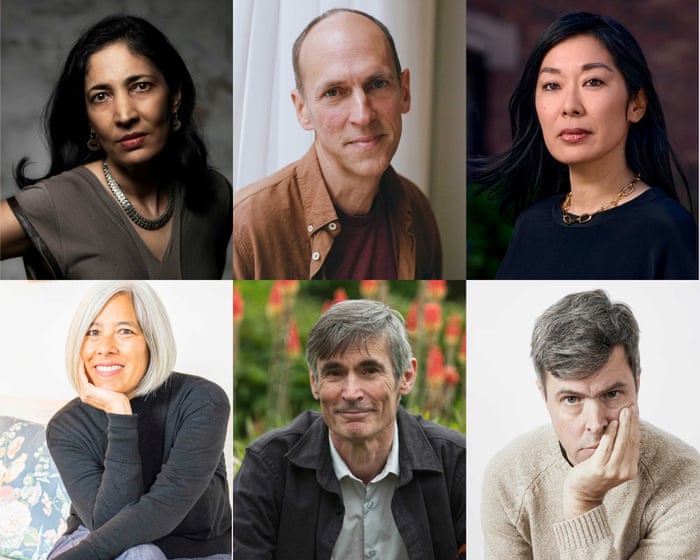
However, the judging process itself remains private. Early judge Rebecca West’s candid memos, such as calling Michael Frayn “curiously dull” and criticizing Melvyn Bragg’s writing as “grossly over-written,” show why these discussions are confidential. Still, West would likely have praised this year’s diverse and accomplished shortlist, which includes works by previous winners and finalists like Kiran Desai, David Szalay, Andrew Miller, Ben Markovits, Susan Choi, and Katie Kitamura—all established authors, with no debuts.
New writers, though, have fresh opportunities. A recently launched prize honors the late Hilary Mantel, a two-time Booker winner, and another new award celebrates Bookstagram favorites, with submissions and judging handled by the online book community. In the age of book influencers, is there still a place for expert judges? The answer is yes—both have a role. Far from turning away from the Booker, online readers are engaging with it more than ever through TikTok and digital book clubs, using the prize as a focal point for discussion.
At a time when reports show declining reading for pleasure, struggling literary festivals, and concerns about the novel’s relevance, this engagement is something to celebrate. The Booker remains a significant cultural force, both in the UK and worldwide. After recent popular winners like Douglas Stuart’s “Shuggie Bain” and last year’s “Orbital” by Samantha Harvey—the fastest-selling Booker winner ever—the prize has struck a balance between prestige and broad appeal.
With such a strong shortlist, the 2025 winner is poised to be another success. While “Orbital” was one of the shortest winners, this year’s lineup includes a hefty 700-page novel, easing worries about shrinking attention spans. All six books, as Roddy Doyle noted, are “brilliantly human” stories about living and loving alongside others, serving as a reminder of the unique creativity that AI cannot replicate. Though reading is often solitary, sharing a novel’s experience can unite us in a deeply personal way. Prizes create a meeting ground, and in these divided times, we can find solace in what judge Ayòbámi Adébáyò described as “the communality of fiction.”
Frequently Asked Questions
Of course Here is a list of FAQs about The Guardians perspective on the 2025 Booker Prize and its connection to the BookTok audience with clear and concise answers
General Beginner Questions
1 What is the Booker Prize
The Booker Prize is one of the worlds most famous literary awards Its given each year for the best novel written in English and published in the UK
2 What is BookTok
BookTok is a community on the social media platform TikTok where users create and share videos about books Its known for driving book sales and creating viral literary trends
3 Why is The Guardian talking about the 2025 Booker Prize and BookTok now
The Guardian is highlighting how a prestigious traditional literary award is trying to connect with a new younger and highly influential online audience to stay relevant and exciting
4 What is The Guardians main point about this connection
Their perspective is generally that this is a positive and necessary evolution They see it as a way to bridge the gap between high literary culture and popular onlinedriven reading communities
5 Is The Guardian saying BookTok will choose the Booker winner
No The official winner is still chosen by a panel of expert judges The Guardian is discussing how the buzz and conversation on BookTok can influence which books get noticed and discussed in the leadup to the prize
Deeper Advanced Questions
6 How exactly can BookTok influence the Booker Prize
BookTok can create massive preaward hype for a longlisted or shortlisted book This can lead to a surge in sales and public interest putting pressure on the literary world and even potentially influencing the judges perception of a books cultural impact
7 What are the potential downsides of this according to The Guardians analysis
Some critics worry that hype and trends could overshadow literary merit Theres a concern that complex challenging novels that dont lend themselves to short viral videos might get overlooked in the conversation
8 Could this change the type of books that get nominated for the Booker
Its possible Publishers might be more inclined to submit books with a strong potential for online appeal to capitalize on the BookTok effect potentially shifting the awards aesthetic over time