Líderes mundiais anunciaram novas metas para reduzir as emissões de gases de efeito estufa nas Nações Unidas, com o objetivo de revitalizar os esforços climáticos globais. Isso ocorre apenas um dia depois de Donald Trump classificar a mudança climática como "a maior farsa já perpetrada no mundo".
Na quarta-feira, 120 países e a União Europeia se comprometeram a cortar emissões em Nova York. Notavelmente, a China, a maior emissora do mundo, comprometeu-se a reduzir suas emissões em 7 a 10% em relação ao pico até 2035.
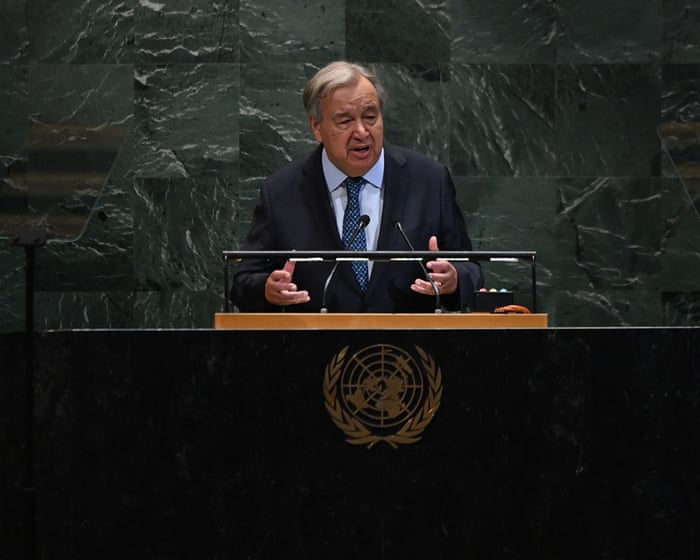
O Secretário-Geral da ONU, António Guterres, que organizou a cúpula especial, exortou as nações a agir "muito mais longe, muito mais rápido", pois a maioria está ficando para trás no cumprimento das metas de temperatura acordadas. Ele alertou que o objetivo de limitar o aquecimento global a 1,5°C (2,7°F) corre risco de entrar em colapso.
Guterres pediu que as próximas negociações climáticas da ONU no Brasil, conhecidas como COP30, produzam um plano global crível para retomar o rumo. "A ciência exige ação, a lei ordena, a economia obriga e as pessoas estão pedindo", disse ele, referindo-se a uma recente decisão do tribunal internacional.
Até agora, poucos países apresentaram planos atualizados de redução de emissões antes das negociações da COP30 em novembro, que visam estabelecer novas metas para combater o agravamento de ondas de calor, secas e inundações. As projeções atuais mostram que o planeta caminha para até 3°C (5,4°F) de aquecimento - muito além do limite de 1,5°C estabelecido em Paris - o que teria consequências catastróficas.
O esforço global foi ainda mais complicado pelos Estados Unidos, historicamente o maior emissor de carbono. Em um discurso na ONU na terça-feira, Trump espalhou desinformação, rejeitou a ciência climática e criticou a transição para energias limpas. Ele afirmou que a "agenda da energia verde" está destruindo países, chamou a ciência climática de "farsa" e descreveu as turbinas eólicas como "patéticas". Ele também revelou que aconselhou países como o Reino Unido a perfurarem para obter mais petróleo.
"Seu país vai falhar se não se afastar dessa farsa verde", disse Trump. "Vocês precisam de fronteiras fortes e fontes de energia tradicionais para serem grandes novamente."
A negação de longa data da mudança climática por Trump - evidenciada pelo desmantelamento de regulamentações ambientais, saída do Acordo de Paris e bloqueio de projetos de energia limpa - foi rapidamente condenada. Manish Bapna do Conselho de Defesa dos Recursos Naturais respondeu: "Qualquer pessoa que olhe pela janela sabe que a mudança climática está aqui. A verdadeira questão é por que qualquer líder responsável tentaria nos convencer do contrário."
Defensores do clima na Assembleia Geral da ONU e nos eventos da Semana do Clima em Nova York enfatizaram que o mundo deve seguir em frente com ou sem a liderança dos EUA sob Trump, acelerando a transição para energias renováveis. No ano passado, o investimento global em renováveis, como solar e eólica, atingiu US$ 2 trilhões - o dobro do valor gasto com combustíveis fósseis.
Rachel Kyte, enviada climática do Reino Unido, incentivou o foco nos benefícios da energia limpa: "Todos os empregos, todas as oportunidades estão lá. Não se distraia com o barulho. Siga o sinal, e acho que chegaremos lá." 195 países ratificaram o Acordo de Paris, e com uma retirada, restam 194 ainda comprometidos - não zero. Embora alguns possam tentar minar ou ameaçar o acordo, 194 países estão indo para Belém para manter o esforço em andamento.
Entre essas nações, a China será um grande foco. Ela responde por cerca de um terço das emissões globais, mas também se tornou a principal superpotência em energia limpa do mundo. Na quarta-feira, o Presidente Xi Jinping anunciou que a China planeja instalar mais de seis vezes mais capacidade eólica e solar até 2035 em comparação com os níveis de 2020.
O ex-vice-presidente dos EUA Al Gore expressou preocupação, dizendo: "É uma grande tragédia que os Estados Unidos estejam se segurando e permitindo que a China lidere o enfrentamento da crise climática." No entanto, Gore permanece otimista de que o mundo escolherá a energia limpa em vez do revival de combustíveis fósseis apoiado por Trump. "Vamos vencer esta luta", disse ele. "A única questão é se o faremos a tempo de evitar as piores consequências."
Apesar das recentes promessas de redução de emissões, conhecidas como contribuições nacionalmente determinadas (NDCs), o mundo ainda está a caminho de exceder o limite de aquecimento de 1,5°C - um limiar que países vulneráveis veem como uma ameaça existencial. Tina Stege, enviada climática das Ilhas Marshall, observou que muitas promessas são insuficientes: "Tem que haver uma avaliação honesta de que elas não serão suficientes. Já sabemos que esses esforços não nos levarão aonde precisamos estar."
Em novembro, os governos se reunirão em Belém, Brasil, para abordar essa lacuna, embora a participação possa ser limitada devido à escassez de quartos de hotel na cidade amazônica. Juan Carlos Navarro, ministro do meio ambiente do Panamá, descreveu a logística da COP30 como "um pesadelo" e expressou pouca esperança de um resultado positivo. "Para ser franco", disse ele, "tenho visto muito blá-blá-blá e muito pouco progresso."
Perguntas Frequentes
Perguntas Frequentes
Tópico: A Ciência exige ação: Líderes globais e a ONU avançam iniciativas climáticas em meio às críticas de Trump
Perguntas de Nível Iniciante
1. O que significa "A Ciência exige ação" neste contexto?
Significa que as evidências científicas estão exigindo que os líderes mundiais tomem medidas imediatas para enfrentar a mudança climática.
2. Quem são os líderes globais mencionados aqui?
Eles incluem chefes de estado, funcionários do governo e representantes de países que trabalham juntos, frequentemente por meio de grupos como as Nações Unidas, para lidar com questões climáticas.
3. Que tipo de iniciativas climáticas estão sendo avançadas?
Exemplos incluem a transição para energias renováveis, o estabelecimento de metas de redução de carbono, a proteção de florestas e o financiamento de projetos de tecnologia limpa em países em desenvolvimento.
4. Por que Trump critica essas iniciativas?
O ex-presidente Trump expressou ceticismo sobre a ciência da mudança climática e argumentou que tais iniciativas poderiam prejudicar a economia ou a soberania nacional.
5. Como a ONU desempenha um papel na ação climática?
A ONU ajuda a coordenar esforços internacionais, como o Acordo de Paris, reunindo países para estabelecer metas compartilhadas e monitorar o progresso.
Perguntas Avançadas
6. Quais iniciativas climáticas específicas lideradas pela ONU foram anunciadas ou avançadas recentemente?
Esforços recentes incluem a Cúpula de Ambição Climática da ONU, promessas de emissões líquidas zero de grandes economias e a iniciativa Alertas Precoces para Todos para melhorar a preparação para desastres.
7. Como as críticas de Trump impactam a cooperação climática global?
Suas críticas podem influenciar o apoio político, o financiamento ou a participação de certos países, potencialmente retardando a ação unificada ou criando divisões nas negociações.
8. Existem benefícios econômicos para essas iniciativas climáticas?
Sim - investir em energia verde pode criar empregos, reduzir custos de saúde com a poluição e ajudar a evitar futuras perdas econômicas causadas por desastres relacionados ao clima.
9. Quais são os desafios comuns na implementação dessas iniciativas globais?
Os desafios incluem garantir financiamento suficiente, assegurar que todos os países participem de forma justa, superar a oposição política e medir o progresso real com precisão.
10. Como os indivíduos podem apoiar essas iniciativas climáticas em suas vidas diárias?
Você pode reduzir sua pegada de carbono usando transporte público, conservando energia, apoiando produtos sustentáveis e defendendo políticas climáticas mais fortes localmente.
Deixe-me saber se você gostaria de Perguntas Frequentes adaptadas para um público específico.