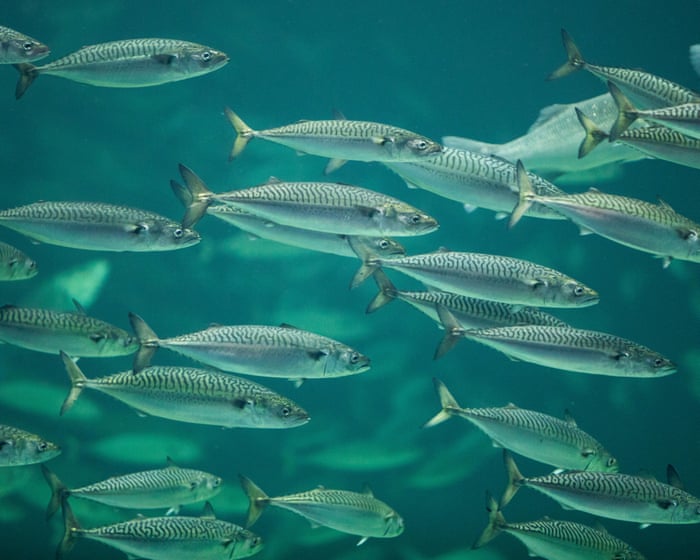
A study has found that ongoing ocean warming is causing a “staggering and deeply concerning” decline in marine life, with fish biomass dropping by 7.2% for each 0.1°C of warming per decade.
Researchers analyzed year-to-year changes in 33,000 marine populations across the northern hemisphere from 1993 to 2021, separating the long-term effect of gradual seabed warming from short-term events like marine heatwaves. They found that chronic heating could reduce biomass by as much as 19.8% in a single year.
“The faster the ocean floor warms, the faster we lose fish,” said Shahar Chaikin, a marine ecologist at Spain’s National Museum of Natural Sciences and the study’s lead author. He noted that while a 7.2% decline per 0.1°C may seem small, “compounded over time and across entire ocean basins, it represents a staggering loss.”
Published in Nature Ecology & Evolution, the study also revealed that marine heatwaves can cause temporary population increases in some areas, masking the long-term damage from climate change. For example, a heatwave might reduce sprat numbers in the warmer Mediterranean while boosting them in the cooler North Sea. These short-term gains in colder waters hide the broader losses driven by ocean warming.
Carlos García-Soto, a scientist with the Spanish National Research Council and co-author of the UN’s ocean assessment, described the findings as concerning for ocean governance. “Overall warming reduces fish biomass, while heatwaves can create temporary increases that obscure the underlying trend,” he said, warning this could lead to poor decision-making.
Marine biologist Guillermo Ortuño Crespo praised the study as methodologically sound but cautioned against attributing biomass changes solely to climate breakdown. He emphasized that overfishing remains a primary cause of decline in global fisheries and is now being worsened by ocean warming and deoxygenation.
Marine life is highly sensitive to temperature shifts caused by fossil fuel pollution. Scientists stress that “every fraction of a degree matters,” especially as global temperatures approach the 1.5°C limit set by international agreements.
“Our research shows exactly what that biological cost looks like underwater,” said Chaikin. “If we allow ocean warming to accelerate by even a tenth of a degree per decade, we can expect severe losses to global fish populations that no management plan can easily reverse.”
Frequently Asked Questions
Of course Here is a list of FAQs about the study on chronic ocean warming and marine life loss designed to be clear and accessible
Beginner General Understanding
1 What does chronic ocean warming mean
It refers to the longterm steady increase in average ocean temperatures over decades not just shortterm heatwaves Its the new warmer baseline that marine ecosystems are now forced to adapt to
2 What did the new study find
The study found a staggering loss of marine life directly linked to rising ocean temperatures It showed that many marine species are declining in population and some are disappearing from areas they once thrived in as the water becomes too warm for them to survive
3 Is this different from coral bleaching
Yes but its related Coral bleaching is a dramatic visible symptom often caused by acute heatwaves This study highlights the broader slowermoving crisis where warming waters make entire habitats unsuitable for a wide range of speciesfish plankton seabirds and moreover the long term
4 Why should I care if I dont live near the ocean
The ocean regulates our climate produces over half of the worlds oxygen and is a primary food source for billions of people Its decline affects global weather patterns food security and economies everywhere
Impacts Consequences
5 Which species are being hit the hardest
Species in sensitive ecosystems like coral reefs kelp forests and seagrass meadows are extremely vulnerable The study also points to declines in many fish populations plankton and marine mammals that rely on specific temperature ranges
6 How does warming water cause species to disappear
Warmer water holds less oxygen making it harder for animals to breathe It can also disrupt reproduction cycles alter food availability and force species to migrate to cooler waters if they can
7 Does this affect the fish I eat
Yes significantly It can reduce the overall abundance of fish change where fish populations are located and even affect the size and nutritional value of seafood
8 Are there any winners in this scenario
Some adaptable generalist species may benefit in the short term like certain jellyfish or smaller forage fish