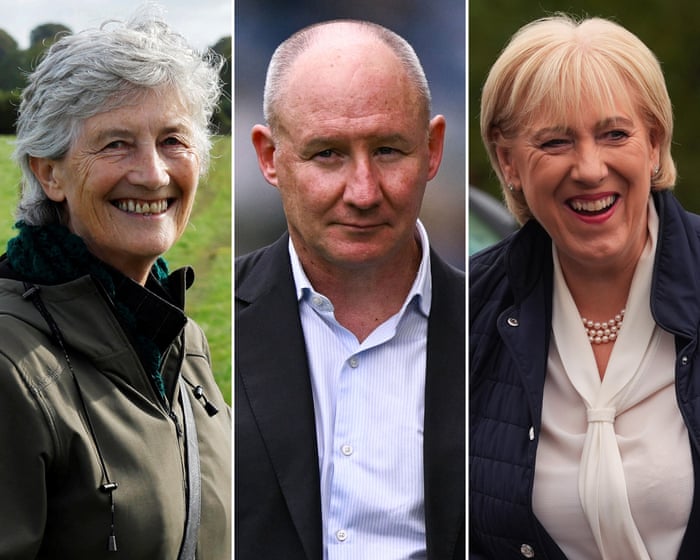
V irských prezidentských volbách budou soupeřit tři kandidáti: bývalá ministryně, bývalý sportovní trenér a nezávislá levicová politička. Třístranný souboj byl potvrzen ve středu po skončení lhůty pro podávání návrhů, kdy se na volební lístek nedostal žádný politický outsider.
Bývalá členka kabinetu Heather Humphreys bude reprezentovat vládní středopravicovou stranu Fine Gael. Jim Gavin, který trénoval dublinský tým gaelského fotbalu, kandiduje za jejího středového koaličního partnera Fianna Fáil. Catherine Connolly, hlasitá propalestinská politička, má podporu malých levicových opozičních stran i strany Sinn Féin, která se rozhodla nenastoupit s vlastním kandidátem.
Volby 24. října ukončí 14leté funkční období Michaela D. Higginse, který byl za využívání převážně ceremoniální role k vyjadřování se ke globálním problémům, zejména týkajícím se Gazy, jak chválen, tak kritizován.
Několik známých osobností projevilo zájem kandidovat, ale nezískalo potřebnou podporu čtyř místních rad nebo 20 poslanců. Mezi nimi byli Michael Flatley, Bob Geldof a bojovník smíšených bojových umění Conor McGregor, který získal podporu Elona Muska.
Farmaceutický magnát Gareth Sheridan a sociálně konzervativní aktivistka Maria Steen se také těsně nedostali přes stanovený práh. Steen ve středu uvedla, že lituje, že se nedostala na volební lístek, a že touha veřejnosti po alternativním kandidátovi zůstane nenaplněna. Někteří komentátoři, včetně těch, kteří s jejími názory nesouhlasili, doufali, že bude kandidovat, aby voličům nabídla větší výběr.
Prezidentský post byl kdysi pohodlnou rolí pro establishmentové osobnosti, ale nečekané vítězství Mary Robinsonové v roce 1990 zahájilo éru nepředvídatelných kampaní, které se více zaměřovaly na samotné kandidáty než na jejich stranické vazby.
Průzkum veřejného mínění z 14. září, provedený předtím, než Sinn Féin podpořila Connolly, ji ukázal s 17% podporou, za Gavinem s 18 % a Humphreys s 22 %. Analytici poznamenávají, že většina voličů v irských prezidentských volbách má tendenci věnovat malou pozornost až do posledních dvou týdnů kampaně, zhruba v době televizních debat.
Každý kandidát již čelil kontroverzím. Connollyová (68) byla kritizována za setkání se stoupenci Bašára al-Asada během cesty do Sýrie v roce 2018 a za nedávné prohlášení pro BBC, že Hamas je "součástí struktury" palestinského lidu – poznámka, která znepokojila Labouristy a Sociální demokraty, kteří oba podporují její kampaň.
Gavin (54), politický nováček se zázemím ve sportu, letectví a armádě, kritizoval společnosti provozující sociální sítě za to, že umožňují to, co nazval "naprosto nepřijatelnými" lžemi a dezinformacemi o něm a jeho rodině. Prohlásil: "Nebudu to tolerovat a společnost by to také tolerovat neměla."
Humphreysová (62), presbyteriánka z pohraničního hrabství Monaghan, čelila otázkám ohledně její neschopnosti mluvit irsky a historických vazeb její rodiny na prounijní Orange Order v Severním Irsku. Řekla, že podporuje irské sjednocení, a její podporovatelé zdůrazňují její protestantské zázemí jako známku inkluzivity. Její původ by mohl přesvědčit unionisty v Severním Irsku.
Často kladené otázky
Samozřejmě Zde je seznam častých otázek o potvrzených třech kandidátech irských prezidentských voleb.
Obecné informace
1. Kdo jsou tři potvrzení kandidáti?
V tuto chvíli jsou potvrzení kandidáti Michael D. Higgins, Peter Casey a Joan Freeman.
2. Jaká je role prezidenta Irska?
Prezident je hlavou státu. Jeho role je převážně ceremoniální, reprezentuje Irsko doma i v zahraničí, podepisuje zákony a působí jako sjednocující postava země.
3. Kdy se konají prezidentské volby?
Volby jsou naplánovány na pátek 26. října 2018.
4. Je prezident totéž jako Taoiseach?
Ne, jde o velmi odlišné role. Taoiseach je hlavou vlády a řídí zemi v každodenním životě. Prezident je nepolitickou hlavou státu.
Kandidáti a kampaň
5. Proč Michael D. Higgins kandiduje znovu?
Jako úřadující prezident má nárok na druhé sedmileté funkční období a rozhodl se znovu kandidovat.
6. Jaká jsou hlavní témata těchto voleb?
Klíčovými tématy jsou role a relevance prezidenta, irské sjednocení, bydlení a bezdomovectví a vize kandidátů pro moderní Irsko.
7. Jak se kandidáti dostali k nominaci?
Kandidát potřebuje podporu nejméně 20 členů Oireachtas (irského parlamentu) nebo čtyř místních rad. Michael D. Higgins byl nominován většinou Oireachtas, zatímco Peter Casey a Joan Freeman získali nominace od více okresních rad.
Hlasování a proces
8. Kdo může volit v prezidentských volbách?
Všichni irští občané starší 18 let, kteří jsou registrováni k volbám, se mohou zúčastnit. To zahrnuje občany žijící v Irsku i ty v zahraničí, kteří jsou registrováni na seznamu voličů diáspory.
9. Jak funguje systém hlasování?
Irsko používá systém poměrného zastoupení s jediným přenosným hlasem. Kandidáty seřadíte podle svých preferencí.
10. Co se stane, pokud žádný kandidát nezíská 50 % hlasů prvního výběru?
To je v třístranném souboji pravděpodobné. Kandidát s nejmenším počtem hlasů je eliminován a jeho hlasy jsou přerozděleny zbývajícím kandidátům na základě druhých preferencí voličů. To pokračuje, dokud jeden kandidát nezíská většinu.