During the deadly attack at Brown University, as students hid under desks and gunshots echoed, the scene felt hauntingly familiar to at least two students.
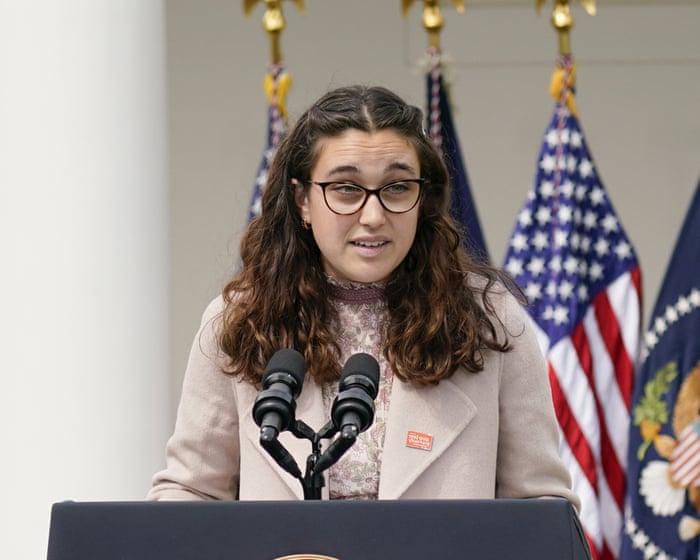
Mia Tretta, 21, and Zoe Weissman, 20, had both survived school shootings years earlier. “What I’ve been feeling most is just, like, how dare this country allow this to happen to someone like me twice?” Weissman told the New York Times.
On Saturday, a man dressed in black opened fire during final exams at the prestigious college, killing two people and wounding nine others. Hundreds of police searched the campus and nearby areas overnight as the suspect remained at large.
Weissman was in her dorm when a friend called to warn her about the shooting. She told NBC that her initial panic quickly turned to anger. “I’m angry that I thought I’d never have to deal with this again, and here I am eight years later,” she said.
When she was 12, Weissman witnessed a shooting at the high school next to her middle school in Parkland, Florida—the 2018 attack that left 17 dead.
Tretta was shot in the abdomen in 2019 when a 16-year-old opened fire at Saugus High School near Los Angeles, killing two people, including her best friend.
“People always think, well, it’ll never be me,” Tretta told the New York Times. “And until I was shot in my school, I also thought the same thing.”
On Saturday, she was studying in her dorm. She had originally planned to work in the Barus and Holley engineering and physics building, where the shooting occurred, but changed her mind because she felt tired.
The attack has renewed focus on long-standing calls for gun control in the U.S., which has some of the most permissive gun laws in the developed world. According to the Gun Violence Archive, there have been 389 mass shootings in the U.S. so far this year—defined as incidents where four or more people are shot. Last year, more than 500 were reported.
Both Tretta and Weissman said they had believed they would never experience another shooting.
“The one thing that gave me comfort was, like, statistically, it’s practically impossible for this to ever happen to me again,” said Weissman. “And clearly, we’re getting to a point where no one can say that any more.”
Frequently Asked Questions
Of course Here is a list of FAQs about the survivors of the Brown University attack who had also survived previous school shootings written in a clear and natural tone
Beginner Factual Questions
1 What happened at Brown University
In October 2023 a violent attack occurred on the Brown University campus in Providence Rhode Island A student was assaulted with a hammer and a bottle suffering serious injuries
2 Who are the two survivors mentioned
They are two Brown University students who were present during the 2023 campus attack Tragically each of them had also been present at a different deadly mass school shooting earlier in their lives
3 Which other school shootings had they survived
One student survived the 2018 shooting at Marjory Stoneman Douglas High School in Parkland Florida The other survived the 2022 shooting at Robb Elementary School in Uvalde Texas
4 How did they escape the Brown attack
They were not the direct target of the assault They were in the vicinity and managed to get away from the scene safely when the attack began
Advanced Deeper Questions
5 What does it mean to be a double survivor of gun violence
It refers to an individual who has experienced the trauma of two separate lifethreatening incidents of mass or targeted violence This can compound psychological impacts like PTSD anxiety and hypervigilance
6 What are the common psychological effects for survivors of multiple traumatic events
Effects can be severe and layered including complex PTSD heightened startle response difficulty feeling safe survivors guilt depression and a profound sense of injustice or fear about the future
7 Why is this story particularly significant
It highlights the disturbing frequency of gun violence in American schools and communities It shows that for some students the threat is not a rare abstract event but a recurring reality they must navigate
8 What kind of support do double survivors typically need
They often require longterm specialized mental health care from traumainformed therapists strong community and peer support academic accommodations and a safe environment to process their compounded grief and fear
9 What does this tell us about campus safety and gun violence prevention
It underscores that campus safety plans must consider the presence of students with prior trauma On a broader scale it fuels discussions about systemic