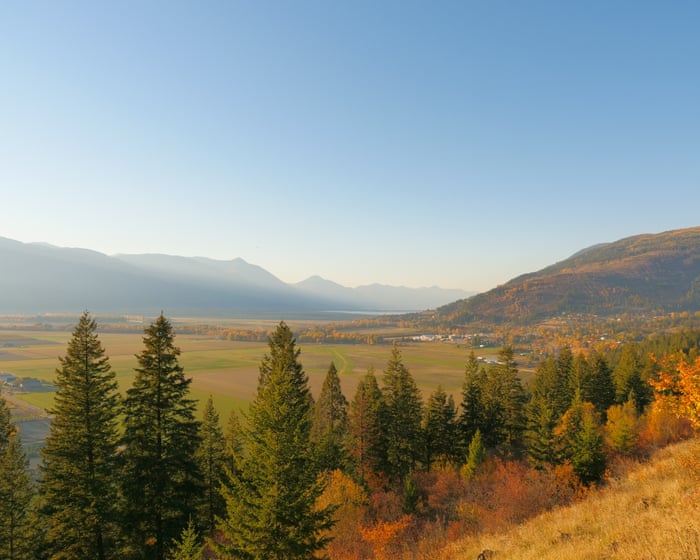
Since 1918, the clocks in Creston, a town in eastern British Columbia, have run an hour ahead of nearby communities for half of each year. For the other six months, they fell back in sync—not because the town adjusted them, but because its neighbors switched back and forth for daylight saving time.
Creston has long been an outlier, effectively creating its own time zone. But when most of the province moves their clocks forward this Sunday, it will be for the last time—permanently joining Creston for the first time in nearly 70 years.
Last week, British Columbia announced plans to establish a Pacific time zone, a move driven by widespread local dislike for changing clocks and by increasingly strained relations with the United States. However, the province also said that while it will create the new time zone, individual municipalities will remain free to choose their own—raising the possibility of more isolated “time zone islands” like Creston.
“We are done waiting. British Columbia is going to change our clocks just one more time—and then never again,” Premier David Eby told reporters, adding that he hopes “our American neighbours” will follow suit. The change aligns BC with the Yukon territory to its north.
In 2019, public consultations showed 93% of surveyed residents supported permanent daylight saving time. Despite this strong preference, BC continued switching its clocks to stay synchronized with the U.S. and support cross-border trade and travel.
In announcing the new policy, the province pointed to “recent actions” by its southern neighbor—likely a reference to the ongoing trade tensions and threats to Canadian sovereignty during the Trump administration.
Provincial authorities say the shift will provide “more usable light in the evenings in winter” and reduce administrative burdens across much of BC.
The Peace region in northern BC, which previously followed mountain standard time year-round, will now be on the same time as most of the province under the new system. Previously, it aligned with Alberta in winter and fell an hour behind in summer.
Under the new Pacific time zone, other mountain communities that observe mountain time and switch between standard and daylight saving will sync with the rest of BC in winter but be an hour ahead in summer.
Still, those towns could choose to shift—either together or independently, as Creston did.
“Just as they can today, local governments will retain the power to determine what time zone they observe,” the government stated. “They can choose to shift to permanent daylight time and Pacific time, along with the rest of BC, if they prefer.”
“The feedback we’ve received from the public … is [that] people want to be on the same time as the rest of British Columbia,” said Cranbrook Mayor Wayne Price.
Industry groups, however, expressed frustration with the move.
“The unilateral change in time is an unwelcome distraction that will make it more difficult to attract and retain businesses in British Columbia,” said Bridgitte Anderson, President and CEO of the Greater Vancouver Board of Trade. “The choice to change the time unilaterally will create an additional headache for businesses operating on both sides of the border.”
The Vancouver airport authority said it would “work with industry to better understand the potential schedule and passenger implications” of changing time zones without neighboring regions doing the same.
Frequently Asked Questions
Of course Here is a list of FAQs about British Columbias potential permanent switch to Daylight Saving Time written in a clear and natural tone
Beginner General Questions
Q What is actually being proposed
A The proposal is for British Columbia to stop changing our clocks twice a year and stay on Daylight Saving Time permanently This means we would keep the spring forward time all year round
Q Why are we considering this change
A The main reasons are public health and safety Studies show that stopping the clock changes may reduce health issues workplace injuries and car accidents linked to the time shift It also aligns BC with neighbouring US states that are planning the same switch
Q Has this been decided yet
A No it has not been finalized Legislation was passed in 2019 to enable the switch but it is contingent on the western US states making the same change to keep our time zones aligned for business and travel
Q When would this happen
A There is no set date The change will only proceed once the relevant US states have also passed laws to adopt permanent DST and receive federal approval from the US Congress
Impact Daily Life Questions
Q What would change in my daily life
A The most noticeable change would be darker winter mornings and lighter winter evenings In December sunrise in Vancouver could be around 830 am instead of 730 am but sunset would be around 500 pm instead of 400 pm
Q Will I still have to spring forward and fall back
A No If the switch happens you would set your clocks forward one last time in March and never change them again
Q What are the main benefits people talk about
A Benefits often cited include no more sleep disruption from clock changes more usable evening daylight for outdoor activities in winter and potential improvements to mental health and economic activity in the evenings
Q What are the main concerns or drawbacks
A The biggest concern is darker mornings for several months especially for children going to school or early morning workers There are also concerns about being out of sync with provinces that dont make the change like Alberta