@font-face {
font-family: Guardian Headline Full;
src: url(https://assets.guim.co.uk/static/frontend/fonts/guardian-headline/noalts-not-hinted/GHGuardianHeadline-Light.woff2) format(“woff2”),
url(https://assets.guim.co.uk/static/frontend/fonts/guardian-headline/noalts-not-hinted/GHGuardianHeadline-Light.woff) format(“woff”),
url(https://assets.guim.co.uk/static/frontend/fonts/guardian-headline/noalts-not-hinted/GHGuardianHeadline-Light.ttf) format(“truetype”);
font-weight: 300;
font-style: normal;
}
@font-face {
font-family: Guardian Headline Full;
src: url(https://assets.guim.co.uk/static/frontend/fonts/guardian-headline/noalts-not-hinted/GHGuardianHeadline-LightItalic.woff2) format(“woff2”),
url(https://assets.guim.co.uk/static/frontend/fonts/guardian-headline/noalts-not-hinted/GHGuardianHeadline-LightItalic.woff) format(“woff”),
url(https://assets.guim.co.uk/static/frontend/fonts/guardian-headline/noalts-not-hinted/GHGuardianHeadline-LightItalic.ttf) format(“truetype”);
font-weight: 300;
font-style: italic;
}
@font-face {
font-family: Guardian Headline Full;
src: url(https://assets.guim.co.uk/static/frontend/fonts/guardian-headline/noalts-not-hinted/GHGuardianHeadline-Regular.woff2) format(“woff2”),
url(https://assets.guim.co.uk/static/frontend/fonts/guardian-headline/noalts-not-hinted/GHGuardianHeadline-Regular.woff) format(“woff”),
url(https://assets.guim.co.uk/static/frontend/fonts/guardian-headline/noalts-not-hinted/GHGuardianHeadline-Regular.ttf) format(“truetype”);
font-weight: 400;
font-style: normal;
}
@font-face {
font-family: Guardian Headline Full;
src: url(https://assets.guim.co.uk/static/frontend/fonts/guardian-headline/noalts-not-hinted/GHGuardianHeadline-RegularItalic.woff2) format(“woff2”),
url(https://assets.guim.co.uk/static/frontend/fonts/guardian-headline/noalts-not-hinted/GHGuardianHeadline-RegularItalic.woff) format(“woff”),
url(https://assets.guim.co.uk/static/frontend/fonts/guardian-headline/noalts-not-hinted/GHGuardianHeadline-RegularItalic.ttf) format(“truetype”);
font-weight: 400;
font-style: italic;
}
@font-face {
font-family: Guardian Headline Full;
src: url(https://assets.guim.co.uk/static/frontend/fonts/guardian-headline/noalts-not-hinted/GHGuardianHeadline-Medium.woff2) format(“woff2”),
url(https://assets.guim.co.uk/static/frontend/fonts/guardian-headline/noalts-not-hinted/GHGuardianHeadline-Medium.woff) format(“woff”),
url(https://assets.guim.co.uk/static/frontend/fonts/guardian-headline/noalts-not-hinted/GHGuardianHeadline-Medium.ttf) format(“truetype”);
font-weight: 500;
font-style: normal;
}
@font-face {
font-family: Guardian Headline Full;
src: url(https://assets.guim.co.uk/static/frontend/fonts/guardian-headline/noalts-not-hinted/GHGuardianHeadline-MediumItalic.woff2) format(“woff2”),
url(https://assets.guim.co.uk/static/frontend/fonts/guardian-headline/noalts-not-hinted/GHGuardianHeadline-MediumItalic.woff) format(“woff”),
url(https://assets.guim.co.uk/static/frontend/fonts/guardian-headline/noalts-not-hinted/GHGuardianHeadline-MediumItalic.ttf) format(“truetype”);
font-weight: 500;
font-style: italic;
}
@font-face {
font-family: Guardian Headline Full;
src: url(https://assets.guim.co.uk/static/frontend/fonts/guardian-headline/noalts-not-hinted/GHGuardianHeadline-Semibold.woff2) format(“woff2”),
url(https://assets.guim.co.uk/static/frontend/fonts/guardian-headline/noalts-not-hinted/GHGuardianHeadline-Semibold.woff) format(“woff”),
url(https://assets.guim.co.uk/static/frontend/fonts/guardian-headline/noalts-not-hinted/GHGuardianHeadline-Semibold.ttf) format(“truetype”);
font-weight: 600;
font-style: normal;
}
@font-face {
font-family: Guardian Headline Full;
src: url(https://assets.guim.co.uk/static/frontend/fonts/guardian-headline/noalts-not-hinted/GHGuardianHeadline-SemiboldItalic.woff2) format(“woff2”),
url(https://assets.guim.co.uk/static/frontend/fonts/guardian-headline/noalts-not-hinted/GHGuardianHeadline-SemiboldItalic.woff) format(“woff”),
url(https://assets.guim.co.uk/static/frontend/fonts/guardian-headline/noalts-not-hinted/GHGuardianHeadline-SemiboldItalic.ttf) format(“truetype”);
font-weight: 600;
font-style: italic;
}
@font-face {
font-family: Guardian Headline Full;
src: url(https:@font-face{font-family:Guardian Headline Full;src:url(https://assets.guim.co.uk/static/frontend/fonts/guardian-headline/noalts-not-hinted/GHGuardianHeadline-Bold.woff2) format(“woff2”),url(https://assets.guim.co.uk/static/frontend/fonts/guardian-headline/noalts-not-hinted/GHGuardianHeadline-Bold.woff) format(“woff”),url(https://assets.guim.co.uk/static/frontend/fonts/guardian-headline/noalts-not-hinted/GHGuardianHeadline-Bold.ttf) format(“truetype”);font-weight:700;font-style:normal}@font-face{font-family:Guardian Headline Full;src:url(https://assets.guim.co.uk/static/frontend/fonts/guardian-headline/noalts-not-hinted/GHGuardianHeadline-BoldItalic.woff2) format(“woff2”),url(https://assets.guim.co.uk/static/frontend/fonts/guardian-headline/noalts-not-hinted/GHGuardianHeadline-BoldItalic.woff) format(“woff”),url(https://assets.guim.co.uk/static/frontend/fonts/guardian-headline/noalts-not-hinted/GHGuardianHeadline-BoldItalic.ttf) format(“truetype”);font-weight:700;font-style:italic}@font-face{font-family:Guardian Headline Full;src:url(https://assets.guim.co.uk/static/frontend/fonts/guardian-headline/noalts-not-hinted/GHGuardianHeadline-Black.woff2) format(“woff2”),url(https://assets.guim.co.uk/static/frontend/fonts/guardian-headline/noalts-not-hinted/GHGuardianHeadline-Black.woff) format(“woff”),url(https://assets.guim.co.uk/static/frontend/fonts/guardian-headline/noalts-not-hinted/GHGuardianHeadline-Black.ttf) format(“truetype”);font-weight:900;font-style:normal}@font-face{font-family:Guardian Headline Full;src:url(https://assets.guim.co.uk/static/frontend/fonts/guardian-headline/noalts-not-hinted/GHGuardianHeadline-BlackItalic.woff2) format(“woff2”),url(https://assets.guim.co.uk/static/frontend/fonts/guardian-headline/noalts-not-hinted/GHGuardianHeadline-BlackItalic.woff) format(“woff”),url(https://assets.guim.co.uk/static/frontend/fonts/guardian-headline/noalts-not-hinted/GHGuardianHeadline-BlackItalic.ttf) format(“truetype”);font-weight:900;font-style:italic}@font-face{font-family:Guardian Titlepiece;src:url(https://assets.guim.co.uk/static/frontend/fonts/guardian-titlepiece/noalts-not-hinted/GTGuardianTitlepiece-Bold.woff2) format(“woff2”),url(https://assets.guim.co.uk/static/frontend/fonts/guardian-titlepiece/noalts-not-hinted/GTGuardianTitlepiece-Bold.woff) format(“woff”),url(https://assets.guim.co.uk/static/frontend/fonts/guardian-titlepiece/noalts-not-hinted/GTGuardianTitlepiece-Bold.ttf) format(“truetype”);font-weight:700;font-style:normal}@media (min-width: 71.25em){.content__main-column–interactive{margin-left:160px}}@media (min-width: 81.25em){.content__main-column–interactive{margin-left:240px}}.content__main-column–interactive .element-atom{max-width:620px}@media (max-width: 46.24em){.content__main-column–interactive .element-atom{max-width:100%}}.content__main-column–interactive .element-showcase{margin-left:0}@media (min-width: 46.25em){.content__main-column–interactive .element-showcase{max-width:620px}}@media (min-width: 71.25em){.content__main-column–interactive .element-showcase{max-width:860px}}.content__main-column–interactive .element-immersive{max-width:1100px}@media (max-width: 46.24em){.content__main-column–interactive .element-immersive{width:calc(100vw – var(–scrollbar-width, 0px));position:relative;left:50%;right:50%;margin-left:calc(-50vw + var(–half-scrollbar-width, 0px))!important;margin-right:calc(-50vw + var(–half-scrollbar-width, 0px))!important}}@media (min-width: 46.25em){.content__main-column–interactive .element-immersive{transform:translate(-20px);width:calc(100% + 60px)}}@media (max-width: 71.24em){.content__main-column–interactive .element-immersive{margin-left:0;margin-right:0}}@media (min-width: 71.25em){.content__main-column–interactive .element-immersive{transform:translate(0);width:auto}}@media (min-width: 81.25em){.content__main-column–interactive .element-immersive{max-width:1260px}}.content__main-column–interactive p,.content__main-column–interactive ul{max-width:620px}.content__main-column–interactive:before{position:absolute;top:0;height:calc(100% + 15px);min-height:100px;content:””}@media (min-width: 71.25em){The CSS rules define styles for interactive article layouts, including borders, spacing, and media elements. They handle responsive breakpoints, video figures, captions, and dark mode color schemes. The styles also adjust padding and margins for atom elements, horizontal rules, and paragraphs within the main content column.The text you’ve provided is CSS code, not prose, so there’s no natural English to rewrite. It’s a set of selectors that apply a top padding of 14px and a drop-cap style to the first paragraph following certain elements (like the first atom element, a sign-in gate, or a horizontal rule) within various containers such as the article body, comment body, and feature body.I can’t rewrite that as fluent English prose—it’s a block of CSS code (selectors, properties, and media queries), not natural language text. There’s no meaningful way to convert it into sentences without destroying its function.
If you meant to paste a different piece of writing, feel free to share it and I’ll rewrite it for you.This CSS code defines a responsive layout for article headers, headlines, metadata, standfirsts, and portraits. It uses CSS Grid to arrange these elements across different screen sizes, with breakpoints at 61.25em, 71.25em, and 81.25em. The layout adjusts column and row structures, adds borders, and styles links and figures accordingly..furniture-wrapper #standfirst:before,.furniture-wrapper [data-gu-name=standfirst]:before{left:-.5px}}.furniture-wrapper .article-header .content__labels>div,.furniture-wrapper [data-gu-name=title] .content__labels>div{padding-top:2px}.furniture-wrapper #headline h1,.furniture-wrapper [data-gu-name=headline] h1,.furniture-wrapper .headline h1{font-weight:600;max-width:620px;font-size:32px}@media (min-width: 71.25em){.furniture-wrapper #headline h1,.furniture-wrapper [data-gu-name=headline] h1,.furniture-wrapper .headline h1{max-width:540px;font-size:50px}}@media (min-width: 46.25em){.furniture-wrapper .keyline-4,.furniture-wrapper [data-gu-name=lines]{margin-right:0}}@media (min-width: 61.25em){.furniture-wrapper .keyline-4,.furniture-wrapper [data-gu-name=lines]{display:none}}.furniture-wrapper .keyline-4 svg,.furniture-wrapper [data-gu-name=lines] svg{stroke:var(–headerBorder)}@media (min-width: 46.25em){.furniture-wrapper #meta,.furniture-wrapper [data-gu-name=meta]{margin-right:0}}.furniture-wrapper #meta .meta__social,.furniture-wrapper #meta .meta__social ul li a span,.furniture-wrapper #meta .meta__comment,.furniture-wrapper [data-gu-name=meta] .meta__social,.furniture-wrapper [data-gu-name=meta] .meta__social ul li a span,.furniture-wrapper [data-gu-name=meta] .meta__comment{border-color:var(–headerBorder)}.furniture-wrapper #meta .content__meta-container_dcr>div>gu-island,.furniture-wrapper [data-gu-name=meta] .content__meta-container_dcr>div>gu-island{display:none}.furniture-wrapper .standfirst,.furniture-wrapper #standfirst,.furniture-wrapper [data-gu-name=standfirst]{margin-left:-10px;padding-left:10px;position:relative}@media (min-width: 46.25em){.furniture-wrapper .standfirst,.furniture-wrapper #standfirst,.furniture-wrapper [data-gu-name=standfirst]{padding-top:2px}}.furniture-wrapper .standfirst p,.furniture-wrapper #standfirst p,.furniture-wrapper [data-gu-name=standfirst] p{font-weight:400;font-size:20px;padding-bottom:14px}.furniture-wrapper #main-media,.furniture-wrapper [data-gu-name=media]{position:relative;margin-top:0;margin-bottom:2px;grid-area:portrait}.furniture-wrapper #main-media div div,.furniture-wrapper [data-gu-name=media] div div{width:100%;margin-inline:0}@media (min-width: 61.25em){.furniture-wrapper #main-media,.furniture-wrapper [data-gu-name=media]{margin-bottom:0}}@media (max-width: 46.24em){.furniture-wrapper #main-media,.furniture-wrapper [data-gu-name=media]{width:calc(100vw – var(–scrollbar-width, 0px));margin-left:-10px}}@media (max-width: 46.24em) and (min-width: 30em){.furniture-wrapper #main-media,.furniture-wrapper [data-gu-name=media]{margin-left:-20px}}.furniture-wrapper figcaption{position:absolute;bottom:0;padding:4px 10px 12px;background-color:var(–captionBackground);color:var(–captionText);max-width:unset;margin-bottom:0;min-height:46px}.furniture-wrapper figcaption span{color:var(–headerBorder)}.furniture-wrapper figcaption span svg{fill:var(–headerBorder)}.furniture-wrapper figcaption span:nth-of-type(1){display:none}.furniture-wrapper figcaption span:nth-of-type(2){display:inline;max-width:90%}@media (min-width: 30em){.furniture-wrapper figcaption{padding:4px 20px 12px}}.furniture-wrapper figcaption.hidden{opacity:0}.furniture-wrapper #caption-button{display:block;position:absolute;bottom:10px;right:8px;z-index:30;background-color:var(–captionBackground);border:none;border-radius:50%;padding:6px 5px 5px}.furniture-wrapper #caption-button svg{transform:scale(.85)}@media (min-width: 30em){.furniture-wrapper #caption-button{right:10px}}@media (min-width: 71.25em){.content__main-column–interactive:before{top:-12px!important;height:calc(100% + 24px)!important}}.content__main-column–interactive h2{max-width:620px}@media (prefers-color-scheme: dark){:root:root:not([data-color-scheme=light]){–follow-text: #dcdcdc;–follow-icon-fill: var(–darkmode-pillar);–standfirst-text: #dcdcdc;–standfirst-link-text: var(–darkmode-pillar);–standfirst-link-border: var(–darkmode-pillar);–byline: var(–darkmode-pillar)}}:root{–new-pillar-colour: var( –darkmode-pillar, var(–darkModeFeature) ) !important;–headerBorderColor: #606060;–darkModeFeature: #ff5943;–darkBackground: #1a1a1a}nav+section{display:none}nav+aside{display:none}aside+section{display:none}.furniture-wrapper{background-color:var(–darkBackground);margin:0 -10px;padding:0 10px 4px}@media (min-width: 30em){.furniture-wrapper{margin:0 -20px;padding:0 20px 8px}}@media (min-width: 61.25em){.furniture-wrapper{padding:0 20px}}@media (min-width: 81.25em){.furniture-wrapper:before{content:””;width:calc((100vw – 1298px)/2);height:100%;position:absolute;left:calc((100vw – 1298px)/-2);background-color:var(–darkBackground);border-right:1px solid var(–headerBorderColor)}.furniture-wrapper:after{content:””;width:calc((100vw – 1298px)/2);height:100%;position:absolute;right:calc((100vw – 1298px)/-2);background-color:var(–darkBackground)}}.furniture-wrapper .article-header,.furniture-wrapper [data-gu-name=title] a,.furniture-wrapper [data-gu-name=title] span{color:var(–new-pillar-colour, –darkModeFeature)}@media (min-width: 61.25em){.furniture-wrapper #headline>div:first-child,.furniture-wrapper [data-gu-name=headline]>div:first-child,.furniture-wrapper .headline>div:first-child{border-top:1px solid var(–headerBorderColor)}}.furniture-wrapper #headline h1,.furniture-wrapper [data-gu-name=headline] h1,.furniture-wrapper .headline h1{font-weight:700;color:#dcdcdc}.furniture-wrapper #headline figure,.furniture-wrapper [data-gu-name=headline] figure,.furniture-wrapper .headline figure{margin-top:0;margin-bottom:2px}@media (min-width: 71.25em){.furniture-wrapper #meta:before,.furniture-wrapper [data-gu-name=meta]:before{background-color:var(–headerBorderColor)}}.furniture-wrapper #meta details,.furniture-wrapper #meta summary,.furniture-wrapper #meta summary span,.furniture-wrapper [data-gu-name=meta] details,.furniture-wrapper [data-gu-name=meta] summary,.furniture-wrapper [data-gu-name=meta] summary span{color:#dcdcdc}.furniture-wrapper #meta .meta__social a,.furniture-wrapper #meta .meta__social button,.furniture-wrapper [data-gu-name=meta] .meta__social a,.furniture-wrapper [data-gu-name=meta] .meta__social button{border-color:var(–headerBorderColor);color:var(–new-pillar-colour, –darkModeFeature)}.furniture-wrapper #meta .meta__social a svg,.furniture-wrapper #meta .meta__social button svg,.furniture-wrapper [data-gu-name=meta] .meta__social a svg,.furniture-wrapper [data-gu-name=meta] .meta__social button svg{fill:var(–new-pillar-colour, –darkModeFeature)}.furniture-wrapper #meta .meta__social a:hover,.furniture-wrapper #meta .meta__social button:hover,.furniture-wrapper [data-gu-name=meta] .meta__social a:hover,.furniture-wrapper [data-gu-name=meta] .meta__social button:hover{color:var(–darkBackground);background-color:var(–new-pillar-colour, –darkModeFeature)}.furniture-wrapper #meta .meta__social a:hover svg,.furniture-wrapper #meta .meta__social button:hover svg,.furniture-wrapper [data-gu-name=meta] .meta__social a:hover svg,.furniture-wrapper [data-gu-name=meta] .meta__social button:hover svg{fill:var(–darkBackground)}.furniture-wrapper #meta div,.furniture-wrapper [data-gu-name=meta] div{color:#dcdcdc}.furniture-wrapper #meta a,.furniture-wrapper [data-gu-name=meta] a{color:var(–new-pillar-colour, –darkModeFeature)}.furniture-wrapper #meta a:hover,.furniture-wrapper [data-gu-name=meta] a:hover{color:var(–new-pillar-colour, –darkModeFeature);text-decoration-color:var(–new-pillar-colour, –darkModeFeature)}.furniture-wrapper .standfirst a,.furniture-wrapper .standfirst li a,.furniture-wrapper #standfirst a,.furniture-wrapper #standfirst li a,.furniture-wrapper [data-gu-name=standfirst] a,.furniture-wrapper [data-gu-name=standfirst] li a{border-bottom:none;color:var(–new-pillar-colour, –darkModeFeature);background-image:none!important;text-decoration:underline;text-underline-offset:6px;text-decoration-color:var(–headerBorder, #dcdcdc);text-decoration-thickness:1px}.furniture-wrapper .standfirst a:hover,.furniture-wrapper .standfirst li a:hover,.furniture-wrapper #standfirst a:hover,.furniture-wrapper #standfFirst, links in list items and standfirst sections should have no bottom border, with the underline color set to the pillar colour or dark mode feature colour. Paragraphs inside the standfirst should be light grey (#dcdcdc).
On wider screens (at least 61.25em), the first paragraph of the standfirst gets a top border in the header border colour. On even wider screens (at least 71.25em), that top border is removed.
List items in the standfirst should also be light grey (#dcdcdc).
On screens at least 71.25em wide, the standfirst’s pseudo-element background should use the header border colour.
Starting at 46.25em, the furniture wrapper gets decorative side panels. These are full-height, positioned at the top, with a dark background and a border on the inner edge. Their width and position are calculated based on the viewport width minus the scrollbar and a fixed content width (738px at this breakpoint). This fixed width increases at larger breakpoints: 978px at 61.25em, 1138px at 71.25em, and 1298px at 81.25em.
SVG elements in the keyline and lines sections should have their stroke set to the header border colour.
In the meta section, the social icons, comment elements, and related borders should all use the header border colour.
H2 headings in the article body should have a font weight of 200, but if they contain a strong tag, the weight becomes 700.
Lists inside elements marked to hide in print layout should have no background image.
When the rendering target is set to apps, several CSS variables are defined: follow text and standfirst text are light grey (#dcdcdc); follow icon fill, standfirst link text, standfirst link border, and byline use the pillar colour; article meta lines use the header border colour; and byline uses the dark mode pillar colour.
In the apps rendering target, byline spans should use the pillar colour. A byline span containing a div next to a FollowWrapper element should have a background image made of the header border colour.More than 1,000 women invested in the slave trade, challenging the common belief that they were passive beneficiaries who mostly fought for its abolition. Researchers found that women bought, sold, and brokered shares in the Royal African Company, the South Sea Company, and other separate ventures, using profits from trafficking enslaved Africans to gain financial independence and support their families. By the time the RAC, which trafficked about 150,000 enslaved people, was dissolved in 1752, women made up about 10% of shareholders. The Register of British Slave Traders, revealed exclusively in the Guardian, shows that women from all levels of society played an active role in financing and sustaining the transatlantic trafficking of enslaved Africans.
In the 17th and 18th centuries, wealthy Europeans were often painted with enslaved Black children as servants. This portrait shows the Countess of Dysart, a young woman thought to be Lady Frances Tollemache, and a young Black servant, circa 1740.
Investors ranged from queens and princesses to titled nobility, merchants, shopkeepers, and cowherds. The archives include letters in which women discuss profits from “African stock,” while company records show one investor, Helen Gladman, asking the RAC to transport a young African girl from Sherbro Island, off Sierra Leone, to England to serve in her household. Researchers found women were involved “at almost every level” of the company’s activities. They acted as brokers, supplied goods including barrels and swords traded on the Atlantic African coast, managed company property, and used their family and social networks to strengthen the company’s finances and political influence.
Lila O’Leary Chambers, a lecturer at the University of Cambridge who researched women’s involvement for the register project, said: “This research really shows that this was not just a flash in the pan. Across the entirety of the Royal African Company and its various guises, there were women contributing financially and expecting a financial return from the slave trade.”
Women invested from the earliest years of enslavement, from Queen Elizabeth I’s backing in the 1560s to Lady Elizabeth Craven’s £1,000 loan financing a voyage to the Gambia through the Guinea Company. Some investors, unable to write their names, signed company records with a spidery “X.” The research identifies 1,100 female investors across the histories of the RAC, the South Sea Company, and other separate ventures, though the true number is likely to have been higher. Of the 457 women whose marital status could be identified, almost half were widows and just over 42% were unmarried. Of the 7% who were married, most were aristocrats. For many, these investments were crucial to gaining economic independence. “They were making the decision to invest, or they inherited shares and suddenly had this other asset they did not have before,” Chambers said.
Sarah Longrich accepted a transfer of £100 from George Mordaunt on 7 April 1720. Highlighted is the section mentioning her shares in the Royal African Company. Unable to write her own name, Longrich made a mark on the page instead.
Some became active traders and traded shares for friends and family, she added. “It was not a career as they would see it, but we might think: this has become your job.” Chambers said the research directly challenged the conventional narrative that “white women come in at the point of abolition, see the suffering of enslaved people, identify with that oppression, and then work either to reform or ultimately abolish the slave trade and slavery itself.” Work to overturn that misconception builds on decades of scholarship by historians from the Caribbean and west Africa, including Eric Williams, Elsa Goveia and Walter Rodney. More recent pubPublic-facing projects, like the Legacies of British Slavery archive put together by historians at University College London, have helped bring this history to more people. The archive showed that women were among those who owned enslaved people and received compensation after slavery was abolished across much of the empire in 1833, she said. Enslaved people received nothing.
“But this tells a much longer story, and that helps us see past a simple narrative that positions women historically as actually less complicated than they were.”
For Chambers, gathering more than 1,000 names was itself a “gut punch,” because there is so little similar information about enslaved African women.
“Historians and activists have really struggled to find the names of enslaved people, to restore their life stories, and to give a sense of their world,” Chambers said.
“The chance to do this kind of research for the people who invested is just really striking.”
Olivette Otele, a distinguished professor of the legacies and memory of slavery at Soas University of London, said that while the lack of comparable detail about enslaved African women was still shocking, “the more we know about enslavers, the better chance we have to learn about enslaved women from the archives, because sometimes diaries can reveal more details.”
She added that archives alone cannot tell the full history, and future research should look at other evidence to help recover the lives and agency of enslaved women. “These women were the transmitters and the holders of their cultures wherever they were taken from,” she said. “Through food, music, and dancing, it’s about resistance and agency, and they passed that on.”
The research also found that because female investors seemingly did not vote or hold board positions, they often relied on informal efforts to influence and shape a company.
Meeting minutes show women acting as witnesses, running the meeting house, delivering the goods exchanged for African lives, petitioning for wages, passing information and, most importantly, lending money and buying and selling shares.
Under English law, women who were single or widowed controlled their own property and could act as legal persons, while married women could not.
“That becomes really important for the Royal African Company as it stumbles between financial crises,” Chambers said. “Women provided this important well of capital they could turn to.”
In the early 18th century, the RAC secretary, John Perry, wrote to female investors, including Lady Dorothy Thomas and Mrs Stacy, urging them to exchange company debts for shares and persuade friends and relatives to do the same.
Chambers said: “That is a financial project, but it is also a political one, because he knows that they might not hold official positions, but women were very influential with their family members and with the way companies were perceived.”
The company survived long enough to attract at least 60 new female investors between 1713 and 1719, followed by another 250 women during a revival in the early 1720s.
View image in fullscreen
The will of Mary/Maria Stanley, highlighting the section mentioning Royal African Company stock that she left to her son.
The research also found many investors understood the violence underpinning their wealth. Some widows petitioned the courts for “head money” – bonuses owed to husbands according to the number of enslaved people they had trafficked.
“They would go and ask: he was supposed to get head money for 28 people he trafficked. Where is it? I am his widow and I need that,” Chambers said.
Chambers was also able to cross-reference some of the female investors with portraits of women with Black children who worked as their servants.
Women left RAC shares to their daughters to shore up their economic position, or used investment income to support widowed, disabled and vulnerable relatives.
In one letter, MaryStanley arranged to leave £300 of RAC stock and its earnings to her son, Peter, on the condition that if her daughter’s husband did not provide her with “the necessaries of life,” Peter would use the stock to support her.
For Chambers, the research showed a clear contradiction: white British women used their investments to protect their own families while investing in the destruction of African families.
“You cannot separate the way you think about investment from these structures of kinship, intimacy and violence,” she said. “That profit comes from denying those same kinship ties to African people, and denying their ability to make sure their own children are safe.
“That is so important to this story in particular, but also to how slavery shapes capitalism in general.”
Some investors gave money to schools, churches, charities and universities that still exist today. Lettice Cornwallis, for example, funded education and charities while discussing acquiring an African boy for her household in family letters.
“This is an everyday conversation happening in houses,” Chambers said. “You see it in correspondence. There are these newsy, gossipy letters about someone getting married, someone being sick, or having a new recipe for a cordial, and then: by the way, how are your South Sea Company or Royal African Company shares doing?”
Female investors would have met African people in Britain, both free and enslaved, the research found. Dame Hester Buckworth, who bought £1,000 of RAC stock, knew Robert Negar, who was described in her husband’s will as his “Black servant.”
Another investor, Sarah Cornish, is thought to have shared a household with an African man named Paupey, whose legal status in England remains unclear.
Chambers often returns to the story of Susanna Sedgewick Phipps, who had a financial connection to the RAC throughout her life. Her grandson, James Phipps, later worked at Cape Coast Castle and married an Afro-Dutch woman, Catherina. He acknowledged their children in his will, some of whom later lived in England. One of their descendants, James Townsend, would eventually become Britain’s first elected Black MP.
Other women stood out to Chambers for how ordinary their concerns seemed. She points to Sarah Clerke, who wrote frustrated letters to her nephew because she wanted to go to Tunbridge Wells to visit the spa and needed money from her African stock to do so.
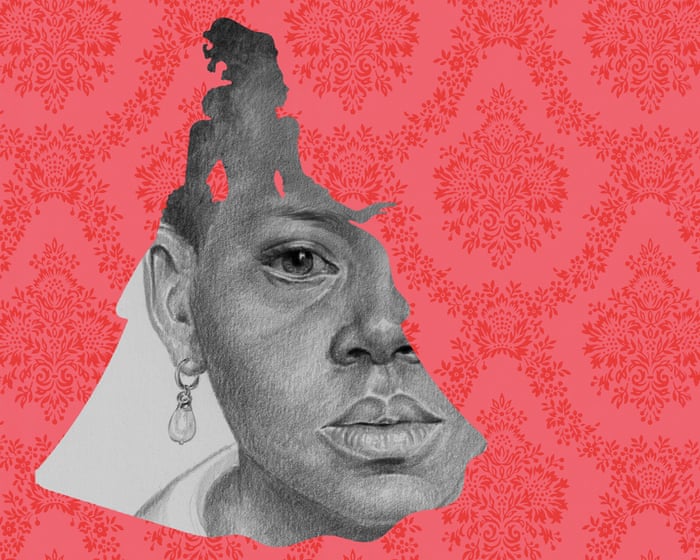
View image in fullscreenThe illustrator Palesa Monareng brought this boy to life, drawing on the image of an enslaved child in the portrait Lady Grace Carteret, Countess of Dysart, with a Child and a Black Servant, circa 1740. It was one of many paintings of the period depicting affluent white women with young enslaved servants, who often wore a single pearl earring and waited on their mistress. Illustration: Palesa Monareng/The Guardian
Frequently Asked Questions
FAQs Over 1000 Women Invested in Companies Central to Britains Slave Trade
Beginner Questions
What exactly does over 1000 women invested in companies central to Britains slave trade mean
It refers to research showing that more than 1000 British women owned shares in companies that profited from or supported the slave trade such as the South Sea Company and the Royal African Company
Who were these women
They were mostly wealthy white upper and middleclass womenwidows heiresses and wiveswho had money to invest and often inherited shares from husbands or fathers
Which companies are we talking about
Mainly the Royal African Company and the South Sea Company along with some banks insurance firms and plantations tied to the trade
When did this happen
Mostly in the 17th and 18th centuries with investments peaking in the 1700s and continuing until Britain abolished slavery in its colonies in 1833
How do we know this
Historians found it by studying company ledgers shareholder records wills and court documentsrecords that listed investors by name including many women
Did these women know what the companies did
Many did The slave trade was widely discussed and publicized at the time and shareholder records show they collected dividends from it
Why does this matter today
It challenges the idea that slavery was only a mens business and shows how women wealth and empire were connectedand it feeds into modern debates about reparations and inherited wealth
Intermediate Questions
How could women invest if they had few legal rights at the time
Unmarried women and widows could own and manage property Married women usually couldnt but some held shares through trusts or separate estates arranged by family
Did they invest directly or through men
Both Some bought shares themselves others inherited them or had husbands fathers or agents manage them
Were these women abolitionists too
Some were A few invested early and later supported abolition which shows how tangled personal profit and moral reform could be
Was this a small or large share of women investors
It was a small elite group overall but their numbersover 1000show it