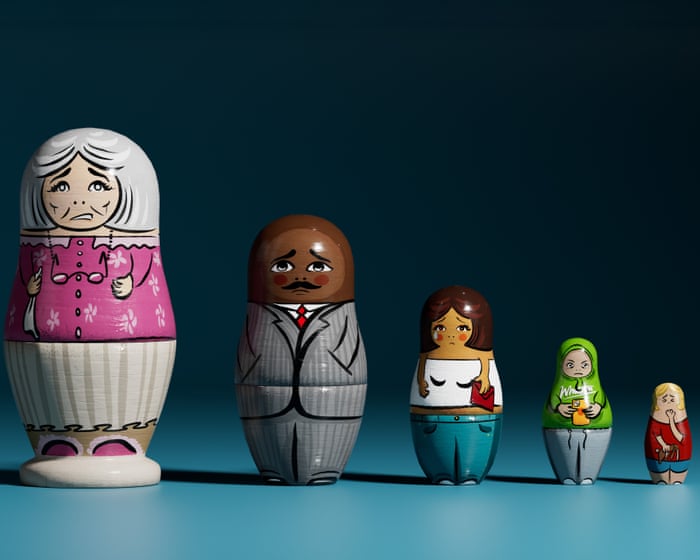
We live in an age of anxiety. According to a 2023 survey by the Mental Health Foundation, one in five people in the UK feels anxious all or most of the time. In 2024, 500 children a day were being referred for NHS anxiety treatment in England.
Psychotherapist Owen O’Kane, author of Addicted to Anxiety: How to Break the Habit, calls it one of the epidemics of our time. “When we look at what’s happening in the world right now, the one thing we have in abundance is uncertainty. If you look at a textbook definition of anxiety, it’s an intolerance of uncertainty.”
O’Kane explains that anxiety is part of our fight, flight, or freeze response—a helpful mechanism that keeps us safe, as he learned growing up in Northern Ireland during the Troubles. But some people develop a dysfunctional relationship with anxiety, meaning they are “in a heightened state of alarm and vigilance all the time.”
“We need anxiety. It just sometimes misreads the room,” says counselling psychologist and broadcaster Dr. Sian Williams, author of The Power of Anxiety: How to Ride the Worry Wave. “When we don’t feel in control, anxiety presents us with worst-case scenarios so we can feel prepared. Sometimes that’s useful, but sometimes it fills in gaps where there is no knowledge, and that’s when it can become unhelpful.” Williams adds that fighting or avoiding anxiety “not only doesn’t make it go away, but makes it worse. So if that doesn’t work, how do we live with it? How can we use our anxiety in a way that benefits us?”
No matter what stage of life you’re in, it’s never too late to address anxiety—or help others with theirs—so anxious thoughts no longer control how you live.
Childhood
If your child is showing signs of anxiety, don’t panic, says Dr. Meredith Elkins, a clinical psychologist who specialises in treating childhood anxiety at Harvard Medical School’s McLean Hospital and author of Parenting Anxiety: Breaking the Cycle of Worry & Raising Resilient Kids. “Families need to understand that anxiety in a child isn’t a character flaw. It’s normal for kids to go through anxious periods, especially during times of transition. There are developmentally appropriate ages and stages when anxiety increases. We want to avoid communicating that their experience in these moments is a cause for concern—that can fuel the anxiety further.”
Instead, Elkins advises validating and normalising anxious feelings through supportive statements. For example, you might tell a child it’s understandable to feel terrified on the first day of school, that most kids feel that way, and that they will get through it. She also emphasises resisting the urge to “shut down life because of anxiety.” Avoiding situations that trigger anxiety may seem easier, but it only makes things worse and “removes the chance for exposure and learning.”
“Whatever we expect from our kids, it’s important to model it ourselves. If we can do hard things and handle our distress, we show them how.”
When does anxiety stop being a healthy part of childhood? Elkins suggests watching for three signs: interference—if it affects what a child or family can do; distress—if the level of upset seems disproportionate for the child’s age; and duration—if it lasts for several weeks or months, it may warrant a clinical diagnosis.
There’s a strong link between neurodiversity and anxiety, and treatment can be adjusted accordingly. “If a child struggles with agoraphobia and feels overwhelmed in crowded places, our goal is usually to help them enter crowded spaces. But for a neurodivergent child who may have sensory processing issues, engaging with peers at a football match or concert might be more manageable with noise-cancelling headphones.”
AdolescenceIt’s a tough time to be young, many would agree. “We need to normalize the full range of human emotions,” says Elkins. “So many teenagers see anxiety as who they are, but it doesn’t have to be a permanent label. It’s often a difficult phase that can be managed and treated.”
Talking openly about your own worries can help young people see emotions as a normal, sometimes confusing, part of life. “It’s crucial that we model the behavior we hope to see in our kids,” Elkins explains. This might mean tackling a family issue you’ve put off, pushing yourself to travel alone if that’s a challenge, or handling a tough situation at work. “When we face difficult things and manage our own distress, we show our children how it’s done.”
If your child is willing to talk about their feelings, encourage them to dig deeper into what’s worrying them. “Teenagers are capable of self-reflection. Ask them: ‘What’s the real fear here? Is it that I’ll go to a party and be completely rejected? Or that I’m going to fail an exam?'” Often, breaking it down can make a situation feel less overwhelming. When a teen is resistant, “sometimes parents need to set boundaries on how much anxiety is allowed to take control,” says Elkins. For example, if a child is nervous about a family event, could they attend for just part of the time, take breaks, or help out in the kitchen?
A major worry for parents is the role of social media in fueling anxiety. “Unless parents are very confident about what their child is seeing and doing online, social media can open a Pandora’s box of problems,” Elkins notes. When asked how to handle this, she advises: “If you believe social media is unsafe for your child or is making their anxiety worse, you need to have a direct conversation. You could say, ‘We’re not comfortable with this for you right now,’ or explain that you’ll be monitoring their activity and gradually giving them more independence over time.”
The decision to use medication for anxiety can be controversial at any age. “For some, medication can be a helpful support to reach a point where they feel able to cope,” says O’Kane. However, he emphasizes that therapy should accompany medication to address the root causes of anxiety.
Early Adulthood
Dr. Lauren Cook, a clinical psychologist in California and author of Generation Anxiety, points to millennials, Gen Z, and Gen Alpha as groups who have grown up with a constant flow of worrying news. “Our brains aren’t built to handle that much negative information,” she says. Many are also struggling financially: “It’s incredibly hard for young adults to find affordable housing, often forcing them to move away from family.”
Leaving home brings more freedom, which can initially lead to lifestyle choices that may increase anxiety—like poor diet, excessive drinking, or irregular sleep. “Emerging research shows how sugar and alcohol affect brain health and can worsen anxiety by increasing inflammation,” Cook explains. Along with choosing a diet that makes you feel good, she recommends: “Move your body for 20 minutes a day; go for a walk—it doesn’t have to be intense—and get some sunlight on your skin.” This can help ease anxious thoughts. Practices like yoga, meditation, or mindfulness are also worth trying.
Connection is another significant challenge for young adults. “Especially Gen Z—they’re often called the loneliest generation,” says Cook. “One of the best things you can do is take the initiative. Invite someone to brunch or coffee, and just talk. Put your phone away. We know that even having a phone on the table can raise stress levels.”Make sure your phone is out of sight when you’re talking to people.
Financial concerns and the climate crisis are increasing anxiety about having children. “I worked with a couple whose entire dilemma was whether or not to have children,” says Cook. “Many people are saying, ‘I don’t know if I want to raise a child—parents often seem unhappier.'”
For those who do choose to have children, “worry is part of loving a child,” says Elkins, who runs a clinic to help parents manage their anxiety. “It only becomes a problem when the worry is persistent, intrusive, and overwhelming.” Elkins notes there is strong evidence supporting CBT and mindfulness-based approaches for reducing anxiety during the perinatal period. She also emphasizes protecting sleep, as tiredness can worsen anxiety, and suggests seeking support: “Parenting was never meant to be done alone.”
Middle Age
Being part of the “sandwich generation”—caring for both children and aging parents—can be deeply stressful, says Aimee Spector, a professor of clinical psychology of aging at University College London. “A woman around 51, the average age of menopause, is likely to have teenage children at home and parents who also need care.”
“Perimenopause is a period of mental health vulnerability,” Spector explains. “Anxiety about having a hot flush can actually raise your heart rate and make you feel hotter.” There is strong evidence that HRT alleviates hot flushes and night sweats, which can in turn reduce anxiety, though guidelines suggest it should not be prescribed solely for mental health symptoms related to menopause.
If HRT isn’t an option or isn’t enough, cognitive behavioral therapy (CBT) can help manage menopausal symptoms. “If you feel less anxious, you might have a less negative experience when hot flushes do occur,” says Spector. “Reducing worry may also decrease the frequency of hot flushes.”
Brain fog can lead women to worry they’re showing signs of dementia, Spector adds. To cope, she recommends “taking care of yourself, getting good sleep, easing up on deadlines, and reducing clutter in your work and life so you’re not juggling too many things at once.”
Middle age can be an anxious time for men as well. “Some argue there’s a ‘manopause,’ where dropping testosterone levels affect their sense of autonomy and create confusion about their roles,” says psychotherapist and author Julia Samuel. “Generally, men aren’t as comfortable discussing their feelings with each other, but they do open up to women.” Building a wide support network is important for everyone, as sharing a problem—even without a therapist—can be invaluable. “By your mid-40s, friendships often get sidelined by work, childcare, parent care, and exhaustion. Prioritizing friendship is a key part of wellbeing,” Samuel notes.
Williams recommends getting early morning light, spending time in green spaces, and owning a pet, citing a study that found walking with a dog relieves anxiety more effectively than walking alone. “Rest is crucial,” Williams adds, as is paying attention to gut health, which is closely linked to stress via the vagus nerve. Trying fermented foods and practicing breathwork can also help.
Cold water therapy has benefits too, says Samuel: “Evidence shows it can stop negative spirals by giving you a break from your thoughts. Your whole system shifts. Even a cold shower, or ending a warm shower with a minute of cold water, can change your mood.”
Older Age
Health anxiety becomes more common as we age. Some memory loss is a natural part of aging, but there can be a lot of worry…Many older adults worry about losing their mental sharpness. “There’s often a fear of going out and forgetting what you’re supposed to do,” says Spector. “Fear of falling is also a major concern, as falls are a leading cause of death among the elderly. After a fall, some become too anxious to go out at all. This leads to less movement, less physical exercise, and less social interaction.”
Psychological therapies like CBT can help, but the challenge is encouraging older people to open up about their worries. “Mental health and discussing emotions are still taboo for some older generations,” Spector notes. “While this is improving, it varies widely across different ethnicities and cultures—in some, talking openly about feelings isn’t seen as appropriate.” Yet addressing these feelings is key to breaking the cycle of anxiety. “Accessing psychological support is really important because anxiety can often be treated effectively this way. People shouldn’t feel embarrassed—it’s very normal to feel more anxious as we age and become frailer. There isn’t strong evidence that medication is the best approach for treating anxiety in older adults.”
How else can you support someone in this situation? “Reflect on the strengths they had when they were younger,” suggests Spector. “How can those strengths help them overcome a fear of going out? If they have a strong interest—like knitting—we might encourage them to join a related group.”
This stage of life often involves more grief. “Grief feels a lot like fear,” says Samuel. “Everything seems threatening. You long for the past and struggle to see the future. Grief tends to bring up past losses and reminds you of your own mortality.” Journaling may help, according to Samuel, and “music is medicine—whether it’s dancing in the kitchen, joining a Zumba class, or singing in a choir.”
Anxiety can make you feel unsafe in your own mind, body, and home, Samuel explains. Finding a hobby that serves as a reset button can “help you reconnect with yourself and feel secure.”
In the UK, the charity Mind can be reached at 0300 123 3393 and Childline at 0800 1111. In the US, call or text Mental Health America at 988 or visit 988lifeline.org to chat. In Australia, support is available through Beyond Blue at 1300 22 4636, Lifeline at 13 11 14, and MensLine at 1300 789 978.
Frequently Asked Questions
Frequently Asked Questions Managing Anxiety Through Lifes Stages
Understanding Anxiety
What exactly is anxiety
Anxiety is a normal human emotion involving feelings of worry nervousness or fear It becomes a problem when its excessive persistent and interferes with daily life
Is anxiety the same as stress
Not exactly Stress is a response to an external pressure or demand Anxiety is the internal reaction of worry and apprehension which can occur even without a clear stressor
How do I know if my anxiety is normal or a disorder
Normal anxiety is proportional to the situation and passes An anxiety disorder is diagnosed when the feelings are intense last for months and significantly impair your ability to work socialize or function
Childhood Adolescence
What does anxiety look like in a young child
It can appear as clinginess tantrums stomachaches headaches avoidance of school or activities excessive worry about family or school performance and trouble sleeping
My teenager is always irritable and withdrawn Could that be anxiety
Yes In teens anxiety often masks itself as irritability anger social isolation perfectionism a drop in grades or increased sensitivity to criticism
Should I shield my anxious child from stressful things
While protection is natural avoidance reinforces anxiety The goal is gentle supportive exposure to help them build confidence in managing discomfort not complete avoidance
Are anxiety medications safe for children and teens
They can be under careful supervision by a child psychiatrist or pediatrician Medication is typically considered alongside therapy for moderate to severe cases not as a firstline treatment for mild anxiety
Adulthood
Why do I feel more anxious as an adult even though my life is stable
Adult responsibilities create new sustained pressures Anxiety can also resurface from unresolved childhood issues or develop due to hormonal changes or chronic stress
How do I balance managing anxiety with a demanding job
Prioritize basic selfcare consistent sleep nutrition and movement Practice setting boundaries schedule short breaks for deep breathing and communicate needs clearly when possible Consider if your workplace offers an Employee Assistance Program
Is it too late for me to learn to manage anxiety if Ive had it for decades
It is never too late