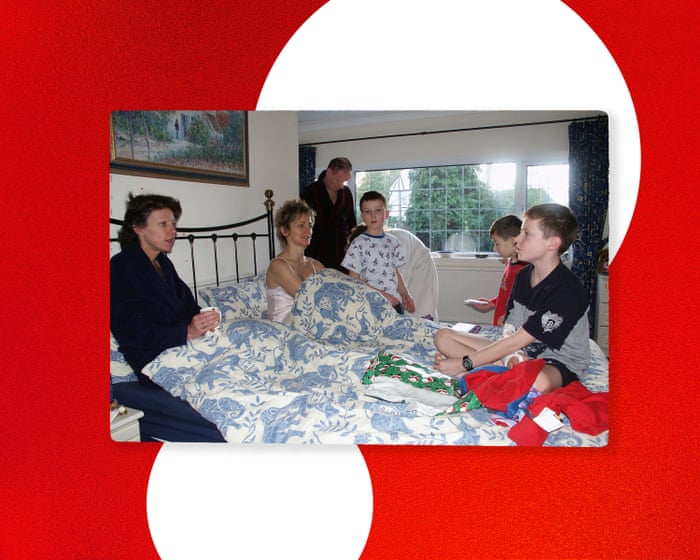
Even now, there are moments that make me pause in disbelief: when my divorced parents, over leftover turkey and red wine, share an inside joke from their former life together; when my dad and stepdad fall into step on our pre-lunch walk, chatting about finances—and sometimes even feelings; or when, after exchanging gifts, the most thoughtful presents aren’t between spouses or parents and children, but between the divorced and remarried couples themselves.
We’ve been celebrating Christmas this way for 25 years now—a blended gathering of parents, stepparents, and siblings. Yet I still remember how strange it all felt at first. When I was eleven, on Christmas Eve, I watched anxiously as my mum walked into the kitchen she once called her own. Though she tried to act like a guest, it was obvious she still knew where everything was—and the next two days would go smoother if she just admitted it.
Thankfully, my ever-practical stepmother didn’t mind. In fact, she was glad not to have to explain where every fork and bowl lived. Both women valued efficiency over ceremony. They stood side by side peeling parsnips and potatoes, and I watched, hardly trusting this easy cooperation.
But it held. On Christmas morning, I wandered sleepily into the room that once belonged to my parents and now was my dad and stepmum’s. There all four of them were—parents and stepparents—crowded into the same bed, chatting happily. Swaddled in dressing gowns and squeezed together, they looked like the Bucket family from Charlie and the Chocolate Factory. If anyone felt awkward—physically or emotionally—they didn’t show it. My younger brothers were already there, impatiently clutching stockings that all four adults had filled with little prior discussion about who gave what.
As wrapping paper and tape flew, the parents swooped in to redirect gifts that had landed with the wrong person. I’m sure such scenes aren’t unique to us—but the sight of old and new spouses in flapping robes added a surreal, pantomime quality. I breathed a sigh of relief when I reached the cool, waxy clementine at the bottom of my stocking.
Back then, my child’s instincts were on high alert, braced for unease or tension that never came. The adults simply acted like adults—people with children to care for and a Christmas to create, who could manage their own feelings. There were plenty of mad moments, of course: like when my mum and stepmum spent Boxing Day dissecting my dad’s snoring, or when my mum passed on tips for making the grapefruit and pine nut salad my dad has loved since childhood. But over time, these “weird” exchanges became normal—even cherished—adding to the relaxed, festive camaraderie.
I got married this year, surrounded by family and friends. But as I gave my thanks, my mind drifted back to our unconventional Christmases. I found myself thinking about divorce—yes, even on my wedding day—and everything my parents and stepparents have built, for themselves and for us. The care and kindness they’ve shown each other, during the holidays and all year round, have taught me so much about love.
Next year, my husband and my brother’s new wife will join us for Christmas. They’re already used to our unusual family rhythm, and I look forward to mixing them into the festive cocktail. It will be good to stir things up—to remember that Christmas is never set in stone, and that while old traditions are sacred, new people can make them even better.
Frequently Asked Questions
Of course Here is a list of FAQs about the topic framed around the personal story shared
Beginner General Questions
Q1 What is this story about
A Its a personal anecdote about an elevenyearold experiencing an extremely unexpected and confusing situation on Christmas discovering all their parents and stepparents together in an intimate setting
Q2 Why would this be so shocking or strange
A In many separatedfamily dynamics parents and stepparents may not get along or even interact Finding them all together in bed completely shatters the childs expectations of separate households and can create intense emotional confusion
Q3 Is this a common experience
A No this specific scenario is highly unusual However many children of divorce or blended families experience awkward or unexpected moments when their separate family worlds collide especially during holidays
Q4 What might the child have been feeling in that moment
A Likely a whirlwind of shock confusion embarrassment betrayal and a sense of their world being turned upside down They might have felt like an intruder or that the adults behavior was wrong
Advanced Deeper Questions
Q5 Beyond the initial shock what are the potential longterm effects on the child
A It could complicate their understanding of relationships trust and boundaries They might struggle with feelings of instability have difficulty processing the event or develop anxiety around family gatherings It could also depending on followup conversations lead to a more nuanced view of adult relationships
Q6 What should the adults have done in this situation
A Ideally the adults should have ensured privacy and created clear boundaries to prevent a child from walking into such a scene After the fact they should have promptly had an ageappropriate calm conversation with the child to provide context and reassurance emphasizing that the child is safe and loved
Q7 How could someone process this memory as an adult
A By recognizing it as a traumatic or highly disorienting childhood event Processing might involve talking to a therapist reframing the event with an adult perspective and addressing any unresolved feelings of betrayal or confusion it caused
Q8 What does this story highlight about blended family dynamics
A It highlights the extreme complexity of postdivorce relationships It