A senior Iranian cleric has called for protesters to be executed, following a harsh crackdown that has increased the death toll and suppressed nationwide demonstrations.
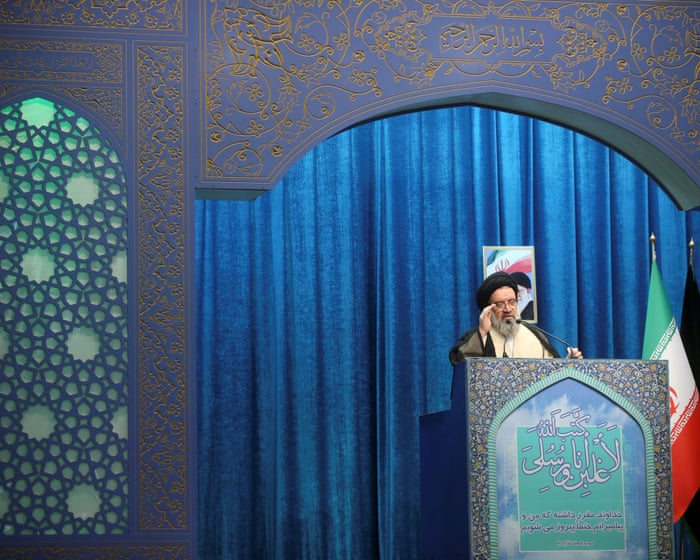
In a Friday sermon, Ayatollah Ahmad Khatami condemned protesters, referring to them as “armed hypocrites who should be put to death.” He labeled demonstrators as “butlers” and “soldiers” for Israel and the U.S., warning that neither country should “expect peace.”
Khatami, a hardline and influential cleric, serves on both the Guardian Council and the Assembly of Experts, the body that appoints Iran’s supreme leader.
His remarks sharply contrasted with statements from U.S. President Donald Trump earlier in the week, who indicated he had postponed a military strike after Iranian authorities agreed to halt executions of protesters. On Friday, Trump thanked Iran for sparing what he claimed were 800 protesters from execution, though the source of this number was unclear.
Despite this apparent gratitude, Iran’s Supreme Leader Ali Khamenei called Trump a “criminal” on Saturday for his “personal” involvement in the protests and promised further punishment for demonstrators. “By God’s grace, the Iranian nation must break the back of the seditionists just as it broke the back of the sedition,” Khamenei said.
Human rights groups report that the repression continues. According to the Human Rights Activists news agency, over 3,090 people have been killed in the unrest, with nearly 4,000 cases still pending review. More than 22,100 have been arrested, raising concerns about the treatment of detainees.
The protests began on December 28th when traders in Tehran demonstrated against a sudden drop in the value of the rial. The movement quickly spread, with demands escalating to calls for an end to the government, marking the most serious and deadly unrest since the 1979 revolution.
Authorities have brutally suppressed the demonstrations, including what Human Rights Watch described as “mass killings of protesters,” which has largely cleared the streets. With the immediate unrest under control, officials are now publicly punishing those involved, framing the protests as a foreign-backed plot to destabilize the country.
In his sermon, Khatami claimed that protesters damaged 350 mosques, 126 prayer halls, 20 other places of worship, 400 hospitals, 106 ambulances, 71 fire trucks, and 50 other emergency vehicles.
The long-term impact of the protest movement remains uncertain, as does the possibility of it reigniting. Iran remains largely cut off from the world, with authorities continuing an internet blackout that has lasted over a week.
Reza Pahlavi, the son of Iran’s late shah and a prominent opposition figure during the protests, reiterated his call for the government’s overthrow on Friday and urged Trump to intervene. “I believe the president is a man of his word,” Pahlavi said, adding that “regardless of whether action is taken or not, we as Iranians have no choice but to carry on the fight.”
Frequently Asked Questions
Of course Here is a list of FAQs about the topic designed to be clear and accessible with direct answers
BeginnerLevel Questions
1 What is this news story about
This story is about a senior Iranian cleric Ahmad Khatami publicly calling for the execution of protesters arrested during the recent antigovernment demonstrations in Iran This demand was made in a sermon and framed as a counternarrative to former US President Donald Trumps assertions of support for the protesters
2 Who is Ahmad Khatami
Ahmad Khatami is a hardline Iranian cleric and a member of the Assembly of Experts a powerful body that selects the countrys Supreme Leader He is known for his ultraconservative views and often delivers Friday sermon speeches that represent the stance of the ruling establishment
3 What was Donald Trumps assertion that this is countering
Former President Trump posted on his social media platform Truth Social expressing support for the Iranian protesters and criticizing the Iranian government The clerics call for executions is a direct rejection of this foreign interference aiming to show domestic resolve and defiance against Western pressure
4 Why are people protesting in Iran
The protests began following the death of Mahsa Amini a 22yearold woman who died in the custody of Irans morality police for allegedly improperly wearing her hijab The protests have since expanded into a broader movement against the government and its strict social and political controls
5 Is it common for Iranian officials to call for executions
Yes during periods of major unrest hardline figures within Irans judiciary and clerical establishment often publicly call for harsh punishments including execution for those they label as rioters enemies of God or foreign agents This is meant to intimidate protesters and signal a crackdown
AdvancedLevel Questions
6 What is the legal and theological basis for such a demand in Iran
The demand is based on charges like waging war against God or corruption on earth which are capital offenses under Irans Islamic Penal Code These charges are broadly defined and can be applied to a wide range of actions deemed threatening to the state and its Islamic foundation