Incendii de vegetație cuprind sudul Europei, forțând mii de oameni să își părăsească locuințele și determinând autoritățile să interzică spectatorilor accesul la o etapă a Turului Franței. Acest lucru survine pe fondul avertismentelor privind condiții de „butoi cu pulbere” după un val de căldură timpuriu care a doborât recorduri la începutul verii.
Sute de pompieri luptă împotriva flăcărilor care au ars aproape 20.000 de hectare (49.500 de acri) în Portugalia, Spania, Franța și Grecia. Se așteaptă ca vânturile puternice să avânte flăcările, iar temperaturile sunt prognozate să crească din nou în această săptămână.
În poalele îndepărtate ale Pirineilor francezi, lângă granița cu Spania, 700 de pompieri se străduiesc să controleze un incendiu de vegetație care a pârjolit 5.000 de hectare și a forțat peste 10.000 de persoane să evacueze.
Aceste incendii urmează unui val de căldură neobișnuit de timpuriu în luna mai și altuia în iunie, care au doborât recorduri de temperatură în întreaga Europă de Vest.
„În această dimineață, condițiile se înrăutățesc din nou”, a declarat luni ministrul francez de interne, Laurent Nuñez. El a adăugat că incendiile de vegetație ard acum în cinci departamente și că de două ori mai mult teren a ars în Franța în acest sezon, comparativ cu aceeași perioadă a anului trecut.
Incendiul din Pirinei s-a triplat aproape ca dimensiune de duminică. „A ajuns la 300 de metri de case. Am fost șocați de cât de repede s-a răspândit – a fost uluitor, la limita panicii”, a declarat Patrice, un locuitor al satului Trévillach, pentru Agence France-Presse.
Incendiile vin după un val de căldură în mai și altul în iunie, care au spulberat recordurile de temperatură în Europa de Vest, au cauzat mii de decese în exces și au lăsat suprafețe mari de teren deosebit de vulnerabile la incendii de vegetație.
Grupul de oameni de știință World Weather Attribution afirmă că temperaturile extreme înregistrate în iunie ar fi fost „practic imposibile” fără criza climatică. Se așteaptă ca temperaturile să crească din nou în această săptămână, ajungând la 40°C în unele zone.
„Schimbările climatice sunt aici, trăim consecințele și suntem abia la începutul lui iulie”, a spus Eric Belgioino, șeful pompierilor din Pyrénées-Orientales. „Acest sezon va fi unul lung pentru pompieri. Trebuie să ne ajutați.”
Prefectul regional, Pierre Regnault de la Mothe, a ordonat spectatorilor Turului Franței „să nu se apropie de traseu sau de zona de sosire” a etapei a treia de luni, care traversează Pirineii din Spania în Franța. El a spus că etapa va fi „limitată la trecerea doar a cicliștilor și a vehiculelor esențiale cursei.”
De partea spaniolă a graniței, focul a devastat 2.200 de hectare, dintre care 97% se află în zona naturală protejată Les Gavarres. Eduard Martinez, șeful operațiunilor serviciului de pompieri catalan, a spus că incendiul avea un perimetru de 40 de kilometri (25 de mile).
Pompierii au spus că eforturile lor vor fi complicate de creșterea temperaturilor și de multe „puncte fierbinți fumegânde” în interiorul perimetrului. Dar duminică seara târziu, au anunțat că incendiul era stabil și sperau să fie stins în timpul săptămânii.
La sud de Catalonia, în provincia estică spaniolă Castellón, peste 500 de persoane au fost evacuate după ce un incendiu de vegetație s-a extins în parcul național Sierra de Espadán.
În zona Vouzela din centrul Portugaliei, peste 1.200 de pompieri, sprijiniți de aproape 400 de vehicule și 15 aeronave, încercau să stingă un incendiu care a început joi și arsese 13.000 de hectare până duminică.
Spania și Italia au trimis pompieri și aeronave pentru a ajuta. Serviciile de urgență au declarat luni că, deși condițiile periculoase persistă, se lucrează pentru a controla incendiile. Au rămas focare, iar 80% din incendiu era sub control. Ministrul de interne al Portugaliei, Luís Neves, a descris situația ca fiind un „butoi cu pulbere”.
În altă parte, incendii mari au distrus, de asemenea, sute de hectare de pădure, podgorii și tufișuri pe insula croată Hvar și în Tale, Albania. În Grecia, care a fost în mare parte cruțată de valul de căldură din luna trecută, flăcările unui incendiu forestier au cuprins două fabrici în orașul nordic Salonic.
Vizualizați imaginea la dimensiune completă: Un incendiu arde la periferia Salonicului, Grecia. Au fost emise alerte de evacuare, iar locuitorilor li s-a spus să stea în casă și să țină ferestrele și ușile închise. Fotografie: Xinhua/Shutterstock
Autoritățile grecești au emis alerte de evacuare pentru trei suburbii și au îndemnat locuitorii din părți ale orașului să stea în casă și să își închidă ferestrele și ușile din cauza fumului toxic de la una dintre fabrici, o instalație de reciclare.
Un alt incendiu mare de vegetație a izbucnit duminică după-amiază la vest de Atena. Pompieri – în total 210, sprijiniți de voluntari, echipe specializate și 29 de aeronave – au fost desfășurați pentru a lupta împotriva flăcărilor care ardeau printr-o pădure de pini în zona Mandra.
**Întrebări frecvente**
Iată o listă de întrebări frecvente despre incendiile de vegetație care se răspândesc în sudul Europei, cu răspunsuri clare și concise.
**Întrebări generale de bază**
1. **De ce sunt atât de multe incendii de vegetație în sudul Europei chiar acum?**
Cauza principală este o combinație de căldură extremă, secetă și vânturi puternice. Schimbările climatice fac aceste condiții mai frecvente, creând mediul perfect pentru ca incendiile să înceapă și să se răspândească rapid.
2. **Ce cauzează declanșarea acestor incendii?**
Deși fulgerele pot provoca incendii, majoritatea sunt pornite de activitatea umană. Aceasta include lucruri precum țigări aruncate neglijent, scântei de la utilaje, focuri de tabără nesupravegheate sau chiar incendierea intenționată.
3. **Cât de repede se poate răspândi un incendiu de vegetație?**
Extrem de repede. În condiții de vânt puternic și uscăciune, un incendiu de vegetație se poate deplasa la fel de repede cum poate alerga o persoană – uneori acoperind un teren de fotbal în doar câteva secunde. De aceea, ordinele de evacuare sunt date atât de rapid.
4. **De ce sunt oamenii forțați să își părăsească locuințele?**
Pentru siguranța lor. Incendiile de vegetație sunt imprevizibile, produc fum toxic și pot prinde oameni în capcană. Ordinele de evacuare sunt emise pentru a scoate oamenii din zonă înainte ca focul să ajungă în zona lor, deoarece poate fi prea periculos să plece mai târziu.
**Întrebări avansate și practice**
5. **Cum reușesc pompierii să oprească un incendiu de vegetație atât de mare?**
Ei folosesc mai multe strategii:
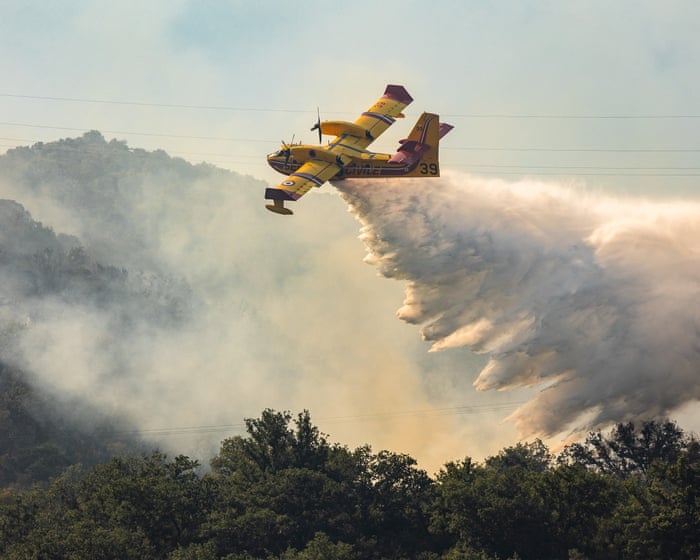
* **Atacuri aeriene:** Avioanele și elicopterele aruncă apă sau substanțe ignifuge pentru a încetini înaintarea focului.
* **Crearea de fâșii de protecție:** Buldozerele sau echipele manuale curăță vegetația pentru a crea un gol pe care focul nu-l poate traversa.
* **Contra-foc:** Ei aprind intenționat mici incendii controlate în fața incendiului principal pentru a elimina combustibilul din calea acestuia.
6. **Există acum un sezon al incendiilor în Europa?**
Da, devine o problemă pe tot parcursul anului în unele zone, dar sezonul de vârf este de obicei din iunie până în septembrie. Cu toate acestea, din cauza schimbărilor climatice, incendiile încep mai devreme primăvara și durează mai târziu în toamnă.
7. **Ce ar trebui să fac dacă sunt în vacanță în sudul Europei și un incendiu de vegetație izbucnește în apropiere?**
1. **Urmați autoritățile locale:** Evacuați imediat dacă vi se spune. Nu așteptați.
2. **Fiți informat:** Verificați știrile locale, aplicațiile meteo și alertele oficiale de urgență.
3. **Închideți toate ferestrele și orificiile de ventilație** ale cazării dvs. dacă nu sunteți evacuat, dar sunteți aproape de fum.