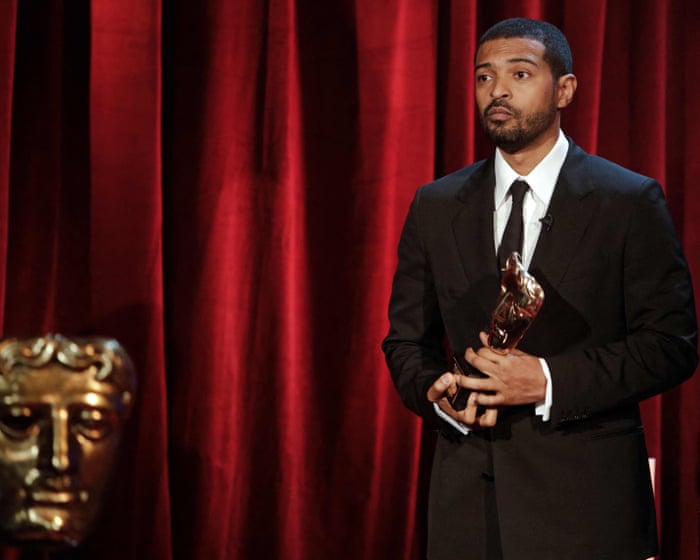
A Felsőbb Bíróság elutasította Noel Clarke színész perét a Guardian ellen, de ez több egyetlen meghiúsult rágalmazási keresetnél. Steyn bírónő ítéletében a hatalom, a cinkosság és a sebezhető emberek védelmének elmulasztása kérdéseit is érintette. Egyetértett a Guardiannal abban, hogy „erős alapja van annak a hitnek, hogy Clarke nők sorozatos bántalmazója”.
A bíróság 26 tanú vallomását hallgatta meg, és arra a következtetésre jutott, hogy Clarke éveken át zaklatott, erőszakoskodott és visszaélt a hatalmával. Bár a bírónő elfogadta néhány tanúvallomását, Clarke-t sem hitelesnek, sem megbízhatónak nem találta. Ezzel szemben a Guardian újságírói alaposak voltak, tisztességes lehetőséget adtak Clarke válaszadására, és objektíven közölték a tagadásait. Női tanúk bátorsága nélkül tettei sohasem kerültek volna nyilvánosságra.
A bírónő helyesen állapította meg, hogy ez közérdeket érintett. De a jog szerint nem elég, ha egy szerkesztő azt állítja, hogy egy történet fontos – a felelős újságírás alapos ellenőrzést, kiegyensúlyozott közlést és a szenzációhajhászás elkerülését igényli. A Guardian végső cikke mérsékelt, pontos és igazságos volt, és a bíróság úgy ítélte, hogy az újság meggyőződése a közérdekéről indokolt.
A jogi részletek mögött egy ismerős történet húzódik. Clarke nem akármelyik színész volt – a Bafta épp „kiemelkedő moziért való hozzájárulásáért” tisztelte, amikor komoly vádak merültek fel. A mélyebb probléma az iparág másik irányba nézése. Clarket ünnepelték, míg akik szóltak, karrierjüket kockáztatták. Ugyanazok a hatalmi struktúrák, amelyek őt védték, védik a bántalmazókat az egész társadalomban.
Ez az a kultúra, amely lehetővé tette az ilyen viselkedést – amelyhez egy #MeToo mozgalomra volt szükség, hogy megszólaltassa az elhallgattatott hangokat, és most azzal a visszhanggal néz szembe, amely a hatalmas férfiakat áldozatként állítja be. Nagy-Britanniában egy, a társai által dicsért sztárt csak évekig figyelmen kívül hagyott pletykák után lepleztek le sorozatos bántalmazóként. Összefoglalójában Steyn bírónő felszámolta Clarke védelmét, megjegyezve, hogy tettei szándékosak voltak, és később minimalizálással és önámítással racionalizálta őket.
Az ügy két kulcsfontosságú tanulságot kínál. Először is, ez a nyomozó újságírás győzelme: amikor az újságírók felelősen cselekszenek, a bíróságok megvédik közlési jogukat. Ez és más botrányok reformokat sürgettek, beleértve a BBC kultúrájának felülvizsgálatát és egy új iparági szabványtestületet. Másodszor, a díjak, a dicséret és a csend hatékonyabban védik a bántalmazókat, mint bármely jogi védelem.
Clarke hírneve romokban hever nem a pletykák, hanem a bíróságon tesztelt bizonyítékok miatt. Éveken át a brit TV-ipar tűrte a mérgező kultúrát, ahol a visszaélésekről nem beszéltek, és a munkatársak tehetetlennek érezték magukat a felnyíláshoz. Az elterjedt hatalmi egyensúlytalanságok – a domináns vezetők és a bizonytalan szabadúszók között, amit a zsugorodó költségvetések tovább rontottak – széles körben okolhatók. Ez a történet nem csak egy ember bukásáról szól. Arról a kultúráról, amely a másik irányba nézett, amíg az igazságot már nem lehetett tagadni.
Van véleménye a cikkben felvetett kérdésekről? Ha szeretne legfeljebb 300 szavas választ e-mailben beküldeni, hogy megfontolják a közlését leveles rovatunkban, kattintson ide.
Gyakran Ismételt Kérdések
Természetesen Íme a Gyakran Ismételt Kérdések listája a Guardian Noel Clarke-ról szóló szerkesztőségi cikkéhez, amely egyértelmű és hasznos.
Általános megértés
K: Miről szól ez a Guardian cikk?
V: Egy szerkesztőségi cikk, amely azt állítja, hogy a szigorú újságírás, nem pedig a film- és TV-ipar maga volt felelős Noel Clarke színész elszámoltatásáért a visszaélésekkel kapcsolatos számos vád után.
K: Ki az a Noel Clarke?
V: Brit színész, rendező és producer, leginkább a Kidulthood filmsorozatról és a Ki vagy, doki?-ról ismert. 2021-ben számos szexuális zaklatással, erőszakoskodással és helytelen viselkedéssel kapcsolatos vádjal szembesült.
K: Mit jelent ebben az összefüggésben a "cinkos iparág"?
V: A Guardian azt vádolja a brit film- és TV-ipart, hogy éveken át tudott Clarke állítólagos viselkedéséről, de nem lépett hatékonyan fel, hallgatásával hozzájárulva annak folytatásához.
A Guardian szerepéről és érveléséről
K: Mi volt a Guardian konkrét szerepe ebben a történetben?
V: A Guardian 2021 áprilisában tette közzé a kezdeti nyomozást, amely első kézből származó beszámolókat tartalmazott 20 nőtől, akik számos vádat fogalmaztak meg Clarke ellen.
K: Mi a Guardian nézetének fő pontja?
V: A fő pont, hogy a hagyományos nyomozó újságírás nélkülözhetetlen eszköz az elszámoltatásért, különösen amikor a hatalmas iparágak nem képesek önszabályozni vagy megvédeni az embereket.
K: Ez a cikk híradás vagy véleménycikk?
V: Véleménycikk. A Guardian nézet vagy Szerkesztőségi cikk címmel jelenik meg, amely az újság hivatalos álláspontját képviseli, nem csak egyetlen újságíróét.
K: A Guardian törte meg az eredeti történetet?
V: Igen. Nyomozó újságíróik hónapokat töltöttek a követelések ellenőrzésével az első jelentés közzététele előtt.
Mélyebb kérdések az újságírói felelősségről
K: Miért mondja a Guardian, hogy az iparág cinkos volt?
V: A szerkesztőségi cikk azt sugallja, hogy Clarke szakmai sikere éveken át folytatódott a viselkedéséről szóló pletykák és állítólagos nyílt titkok ellenére, ami azt jelenti, hogy kollégái és vezetői a másik irányba néztek.
K: Mit mond ez az ügy az újságírás hatalmáról?
V: Az újságírást egy alapvető negyedik hatalomként állítja be – egy független erőként, amely nyomozhat a hatalmas egyének és intézmények után, amikor más rendszerek elbuknak.