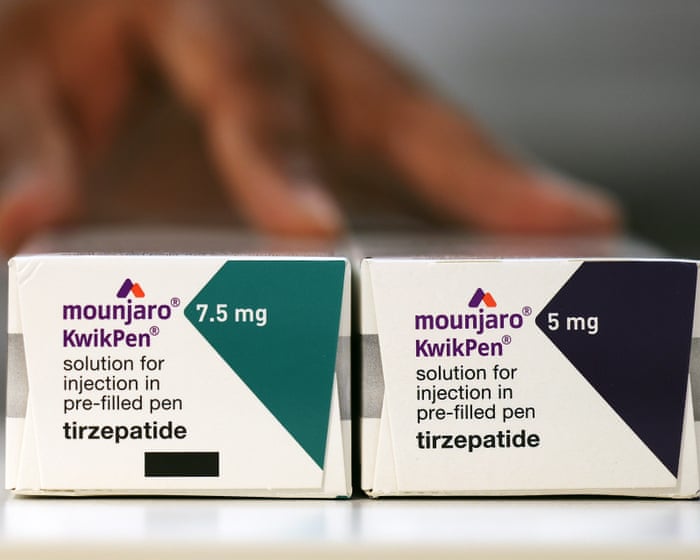
Painonpudotuslääkkeet, kuten Mounjaro, tarjoavat merkittävän mahdollisuuden puuttua maailmanlaajuiseen lihavuuden kasvuun, jonka WHO:n mukaan arvioidaan koskettavan 2 miljardia ihmistä vuoteen 2030 mennessä. WHO totesi, että nämä lääkkeet, joiden tehokkuus painonpudotuksessa on todistettu, merkitsevät "uutta kappaletta" siinä, miten terveyspalvelut voivat hoitaa lihavuutta ja siihen liittyviä hengenvaarallisia sairauksia.
WHO kehotti maita varmistamaan, että niillä, jotka hyötyisivät glukagonin kaltaisen peptidi-1 (GLP-1) -hoitojen käytöstä, on pääsy niihin. Vaikka oikeutetuille aikuisille näitä lääkkeitä tulisi yleensä antaa, raskaana olevien naisten tulisi välttää niitä. Organisaatio varoitti myös, että lääkeyhtiöiden on alennettava Mounjaron ja Ozempicin kaltaisten lääkkeiden hintoja ja lisättävä tuotantoa merkittävästi estääkseen niiden jäämisen saamatta köyhemmissä maissa.
"Vaikka pelkät lääkkeet eivät ratkaise tätä maailmanlaajuista terveyskriisiä, GLP-1-hoidot voivat auttaa miljoonia voittamaan lihavuuden ja vähentämään siihen liittyviä haittoja", sanoi WHO:n pääjohtaja Tedros Adhanom Ghebreyesus.
Erityisessä terveydenhuollon ammattilaisille suunnatussa viestissään WHO esitti näkemyksensä näistä lääkkeistä ensimmäistä kertaa. Sen lausunto Journal of the American Medical Association -lehdessä korosti, että GLP-1-hoidot edustavat enemmän kuin tieteellistä läpimurtoa – ne osoittavat muutosta siinä, miten yhteiskunta näkee lihavuuden, "elämäntapasairaudesta" monimutkaiseksi, ehkäistäväksi ja hoidettavaksi krooniseksi sairaudeksi.
"GLP-1-hoidot ovat nousseet tärkeäksi innovaatioksi maailmanlaajuisen lihavuushaasteen ratkaisemisessa. Näiden lääkkeiden ilmestyminen merkitsee käännekohtaa lihavuuden, sen komplikaatioiden ja liitännäissairauksien hoidossa", lausunnossa todettiin.
WHO totesi kuitenkin, että nykyiset maailmanlaajuisten tuotantokapasiteettien rajoitukset tarkoittavat, että vain noin 100 miljoonaa ihmistä voisi saada näitä lääkkeitä – vain 10 % miljardista, joka voisi hyötyä. Lihaviksi luokiteltujen ihmisten määrä, jonka määritelmänä on vähintään 30 painoindeksi, odotetaan kaksinkertaistuvan miljardista kahteen miljardiin vuoteen 2030 mennessä, ja maailmanlaajuiset kustannukset nousevan 3 biljoonaan dollariin samana vuonna.
Laajentaakseen saatavuutta kriisin pahetessa WHO ehdotti, että lääkeyhtiöt harkitsisivat "porrastettuja hintoja", veloittaen alhaisempia hintoja köyhemmissä maissa.
WHO:n lausunnossa, jonka kirjoittivat kolme johtavaa lääkäriä – Francesca Celletti, Luz De Regil ja Jeremy Farrar – korostettiin, että pelkät nämä lääkkeet eivät riitä kääntämään lihavuuden kehitystä. Niitä käyttävien yksilöiden tulisi myös omaksua terveellisempi ruokavalio, lisätä fyysistä aktiivisuutta ja saada elämäntapaneuvontaa.
WHO tunnustaa kasvavan näytön siitä, että GLP-1-hoidot voivat auttaa vähentämään vakavien sairauksien, kuten sydänkohtauksen, aivohalvauksen, tyypin 2 diabeteksen, korkean verenpaineen, korkean kolesterolin, uniapnean sekä munuais- ja valtimotaudin riskiä.
Kolme "suurta esteitä" on purettava varmistaaksesi maailmanlaajuisen pääsyn GLP-1-hoitoihin niille, jotka niitä tarvitsevat: rajoitettu tuotantokapasiteetti, saatavuus ja edullisuus; terveysjärjestelmien valmius tarjota niitä; ja yleinen pääsy terveydenhuoltoon.
"Painonpudotuslääkkeillä on tärkeä rooli, mutta ne eivät ole hopealuoti", sanoi Obesity Health Alliancen toiminnanjohtaja Katherine Jenner. Liitto kokoaa yli 50 brittiläistä terveys-, lääketieteellistä ja lastenjärjestöä. "Iso-Britanniassa pääsy on edelleen rajoitettua, toimitus on heikkoa ja NHS:n käyttö on tiukasti kohdennettua. Nämä tehokkaat lääkkeet voivat auttaa kroonista lihavuutta sairastavia yksilöitä, mutta ne eivät sovellu kaikille, ja niiden käyttöön tarvitaan kattavaa tukea turvalliseen ja tehokkaaseen käyttöön. Todisteet osoittavat, että useimmat ihmiset saavat painon takaisin..."
"Ihmiset usein saavat painon takaisin, kun he lopettavat näiden lääkkeiden käytön, emmekä voi lääkitä kaksi kolmasosaa väestöstä ikuisesti", Jenner lisäsi.
Usein kysytyt kysymykset
UKK WHO:n uusi kappale painonpudotuslääkkeistä
Aloittelijatason kysymykset
1 Mitä WHO oikeasti sanoi painonpudotuslääkkeistä?
Maailman terveysjärjestö on kuvaillut uuden sukupolven erittäin tehokkaita painonpudotuslääkkeitä avaavan uuden kappaleen maailmanlaajuisen lihavuuskriisin ratkaisemisessa. Se tunnustaa nämä lääkkeet tehokkaina työkaluina, mutta korostaa, että niiden on oltava osa kattavaa strategiaa, joka sisältää ruokavalion, liikunnan ja terveydenhuollon tuen.
2 Mitä nämä "uuden kappaleen" painonpudotuslääkkeet ovat?
Ne viittaavat pääasiassa lääkeryhmään nimeltä GLP-1-reseptoriagonistit. Alun perin tarkoitettu tyypin 2 diabetekseen, ne toimivat matkimalla suoliston hormoneja, jotka säätelevät ruokahalua ja insuliinia, johtaen merkittävään painonpudotukseen monilla ihmisillä.
3 Ovatko nämä vain ihmeellisiä dieettitabletteja?
Ei. WHO ja lääketieteen asiantuntijat ovat selviä: nämä eivät ole yksinkertaisia ilman reseptiä saatavia pillereitä. Ne ovat voimakkaita reseptilääkkeitä krooniseen painonhallintaan, tarkoitettu lihavuutta tai painoon liittyviä terveysongelmia sairastaville yksilöille, ja ne vaativat lääkärin valvontaa.
4 Mikä on tämän uuden lähestymistavan pääetu?
Pääetu on, että meillä on ensimmäistä kertaa lääketieteellisiä työkaluja, jotka voivat tuottaa merkittävää, jatkuvaa painonpudotusta. Tämä voi parantaa dramaattisesti lihavuuteen liittyviä terveysongelmia, kuten sydänsairauksia, diabetesta ja korkeaa verenpainetta.
Yleiset huolenaiheet ja ongelmat
5 Mitkä ovat yleiset sivuvaikutukset?
Yleiset sivuvaikutukset liittyvät usein ruoansulatuskanavaan ja voivat sisältää pahoinvointia, oksentelua, ripulia ja ummetusta. Nämä vähenevät yleensä ajan myötä. Vakavammat, mutta harvinaisemmat riskit sisältävät haimatulehduksen ja sappirakkovaivat.
6 Onko painonpudotus pysyvä?
Ei automaattisesti. Nämä lääkkeet on tarkoitettu pitkäaikaiseen käyttöön. Samoin kuin korkean verenpaineen lääkkeet, jos lopetat niiden käytön, ruokahalvaa hillitsevät vaikutukset vähenevät ja paino todennäköisesti palaa. Ne ovat hoito, ei kertaluonteinen parannuskeino.
7 Miksi saatavuus on niin suuri ongelma?
Nämä lääkkeet ovat erittäin kalliita, usein vakuutusten piirin ulkopuolella ja maailmanlaajuisesti niistä on pulaa. WHO on ilmaissut huolensa tasa-arvosta, sillä korkeat hinnat ja rajallinen saatavuus voivat lisätä terveyseriarvoisuuksia, tehden niistä saavuttamattomia suurimmalle osalle maailman väestöstä, joka niitä tarvitsee.
Edistyneet ja käytännön kysymykset
8 Miten tämä on uusi kappale verrattuna vanhoihin painonpudotuslääkkeisiin?
Aiemmat lääkkeet johtivat tyypillisesti