Russia launched a major drone and missile attack targeting Ukraine’s two largest cities, Kyiv and Kharkiv, early on Saturday. This occurred as U.S., Ukrainian, and Russian negotiators met in the United Arab Emirates for a second day of tripartite peace talks.
“Peace efforts? Trilateral meeting in the UAE? Diplomacy? For Ukrainians, this was another night of Russian terror,” said Ukraine’s foreign minister, Andrii Sybiha, following the assault on critical infrastructure. “Cynically, Putin ordered a brutal massive missile strike against Ukraine right while delegations are meeting in Abu Dhabi to advance the America-led peace process. His missiles hit not only our people, but also the negotiation table. This barbaric attack once again proves that Putin’s place is not at (U.S. President Donald Trump’s) Board of Peace, but in the dock of the special tribunal,” Sybiha wrote on X.
Despite the latest attacks, the talks in Abu Dhabi resumed on Saturday morning.
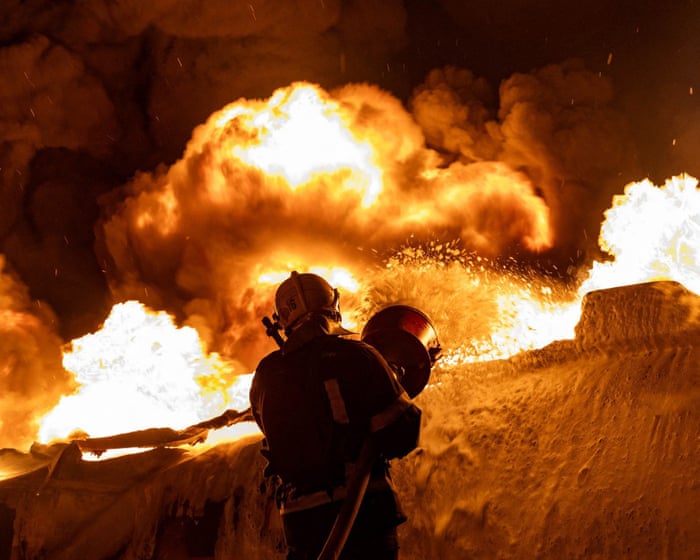
With Kyiv and other cities experiencing widespread outages of heat, water, and power after Russian strikes on energy infrastructure, officials in the capital reported one person killed and at least 15 injured in attacks that continued until morning.
Engineers in Kyiv face the enormous task of reconnecting apartment buildings to heating. They said 6,000 of the city’s apartment blocks were without heat on Saturday morning—4,000 more than in previous days, including many that had recently been restored.
Initial estimates suggested at least 1.2 million consumers were without power across the country, including 800,000 in Kyiv.
The Ukrainian air force stated Russia used 396 drones and missiles in the attacks, and officials warned that up to 80% of the country faced emergency power cuts immediately afterward.
The Russian strikes, which took place during the first tripartite talks of the war, coincide with Moscow’s continued insistence on controlling eastern Ukraine’s Donbas region, casting doubt on its seriousness about peace.
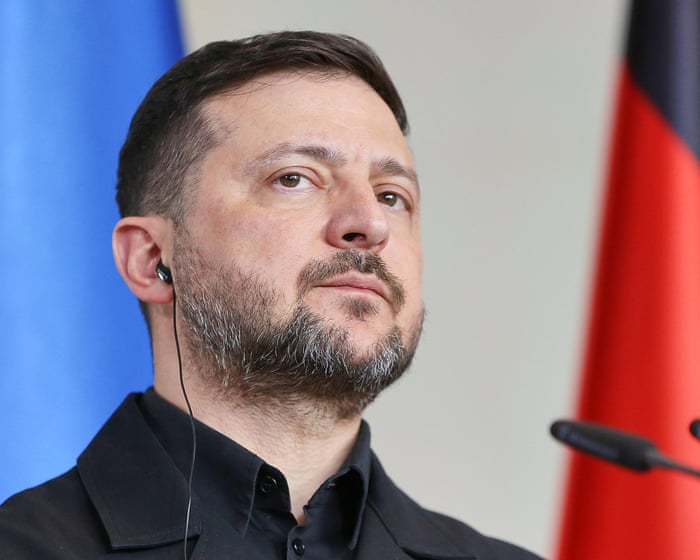
In the aftermath, Ukrainian President Volodymyr Zelenskyy said agreements on air defense made with U.S. President Donald Trump in Davos this week must be “fully implemented.” Zelenskyy and Trump met at the World Economic Forum on Thursday and discussed air defense support for Ukraine, but neither leader specified what was agreed afterward.
Kyiv’s mayor, Vitali Klitschko, said: “Currently, one person is known to have died and four to have been wounded,” adding that three of the injured were hospitalized. Fires broke out in several buildings hit by drone debris, while heat and water services in parts of the capital were interrupted.
The strikes come amid a worsening mid-winter energy crisis focused on the capital, where many have been without heat and power for a prolonged period. Klitschko said on Friday that about 1,940 residential buildings in Kyiv were without heating after renewed attacks, noting “and this may not be the most difficult moment yet.” His office stated about 600,000 residents had temporarily fled the city during the January power crisis, which has left entire blocks in darkness.
The head of Kyiv’s military administration, Tymur Tkachenko, reported strikes in at least four districts, with a medical facility among the damaged buildings.
Kyiv has already endured two mass overnight attacks this year that knocked out power and heating to hundreds of residential buildings. Emergency workers are still engaged in restoring services to residents.Temperatures dropped to -13°C (9°F).
In Kharkiv, a frequent target located 30km (18 miles) from the Russian border, the city’s mayor, Ihor Terekhov, reported that 25 drones struck several districts over two and a half hours, injuring at least 14 people.
In a Telegram post, Terekhov stated that the drones hit a dormitory for displaced people, a hospital, and a maternity hospital.
The first known direct contact between Ukrainian and Russian officials on the U.S.-backed proposal also began on Friday.
Ukraine’s chief negotiator, Rustem Umerov, said the discussions focused on “the parameters for ending Russia’s war and the further logic of the negotiation process.”
An initial U.S. draft faced heavy criticism in Kyiv and Western Europe for aligning too closely with Moscow’s position, while later versions prompted pushback from Russia for suggesting the idea of European peacekeepers.
Both sides say the fate of territory in the eastern Donbas region remains a major sticking point in efforts to settle the war, which has killed tens of thousands, displaced millions, and devastated parts of Ukraine.
Frequently Asked Questions
FAQs Russias Intensified Attacks During Ukraine Peace Negotiations
Basic Understanding Context
1 Why is Russia attacking more now if theyre supposedly talking about peace
This is a common tactic in warfare By escalating attacks during negotiations a side may try to gain more leverage secure a better bargaining position or capture more territory before a potential ceasefire is agreed upon
2 What are these peace negotiations about
The negotiations aim to find a diplomatic end to the war Key topics have included Ukraines security guarantees the status of occupied territories like Crimea and Donbas and the potential for Ukraine to join alliances like NATO
3 Isnt it contradictory to fight and talk at the same time
Not historically Fighting while talking has occurred in many conflicts Military pressure is often used to influence the terms being discussed at the negotiating table
Motivations Strategy
4 What could Russias goal be with this strategy
Possible goals include demoralizing Ukrainian forces and the public weakening Ukraines military before a deal creating facts on the ground or trying to force Ukraine to accept more demanding terms under pressure
5 Is this a sign that the negotiations are failing
Not necessarily It can be a sign of hard bargaining However major escalations can certainly derail talks if they destroy trust or make compromise politically impossible for either side
6 Could this be a Russian attempt to disrupt Ukrainian supply lines or arms deliveries
Yes absolutely A frequent military objective during negotiations is to cripple the enemys ability to resupply and reinforce which could be decisive if fighting continues after talks break down
Impact Consequences
7 How does this affect civilians in Ukraine
It puts them in extreme danger Intensified attacks often mean more shelling of cities more civilian casualties and greater disruption to essential services like power water and heat
8 Does this make other countries more or less likely to get involved
It typically increases pressure on allies to provide more military aid and defensive weapons to Ukraine to help it withstand the assault and maintain its negotiating position It makes direct NATO military involvement less likely as allies seek to avoid a wider war
9 Whats the risk of these intensified attacks
The major risk is that