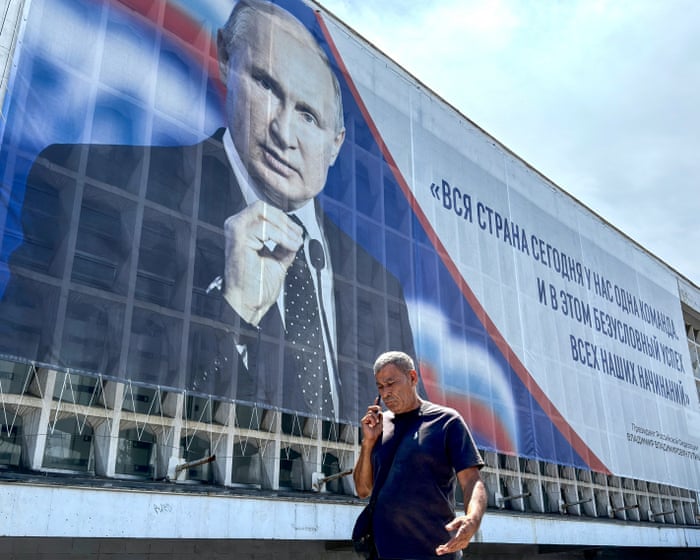
In kitchens and Telegram chats across Russia, the same question is coming up more and more often: will Vladimir Putin order another mobilisation?
Nearly five years into the war, Russia is struggling to find enough soldiers to keep its ranks full. Voluntary recruitment is slowing down, and the military is taking heavy losses on the battlefield in Ukraine.
Even though Putin shows no sign of giving up his far-reaching territorial goals, and Russia’s summer offensive has stalled, the Kremlin is facing a growing shortage of manpower.
“The problem for the Kremlin is that it’s getting much harder to find people willing to fight, even for huge amounts of money,” said Aleksei Tabalov, a human rights activist and director of an organisation that helps Russian conscripts.
Putin last ordered mobilisation in September 2022, when a series of major battlefield defeats forced the Kremlin to call up 300,000 reservists to hold the front line.
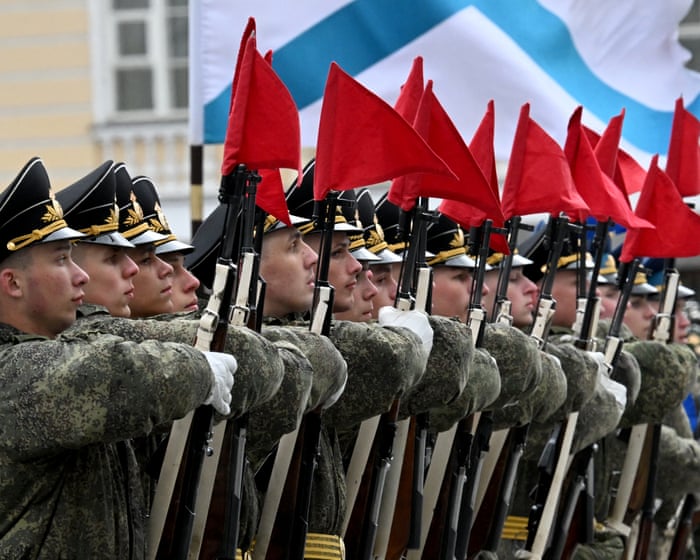
Since then, Moscow has avoided another deeply unpopular call-up by relying mostly on well-paid voluntary contracts. Russia has recruited around 1.3 million contract soldiers this way.
Men, especially from Russia’s poorer regions, have been offered life-changing signing bonuses and salaries on open-ended contracts that add up to several years of local wages. Their families also receive large payouts if they are killed.
But Russia’s heavy losses mean it has to keep finding new soldiers at a fast pace.
Western estimates put Russian casualties at more than 30,000 killed and wounded each month. That toll reflects the army’s attritional “meat grinder” tactics, where troops are sent forward again and again in small assault groups despite heavy losses.
Meanwhile, Moscow is now recruiting about 1,000 soldiers a day, according to calculations by Janis Kluge, a Russia expert at the German Institute for International and Security Affairs. That means most new recruits are used to replace losses in existing units rather than to expand Russia’s offensive power.
This has once again raised the possibility of mobilisation.
Top Russian officials have dismissed reports of an upcoming call-up. Former president Dmitry Medvedev called them “nonsense” and a “lying provocation” by Ukraine.
Two people familiar with discussions in Moscow also said there was no sign that Putin had decided to order another mass mobilisation. A senior Western official likewise said there were no indications that such a decision had been made.
But fears that another call-up might be coming have still crept into everyday conversations.
In Telegram chats used by local sports teams, work colleagues, and groups of friends, Russians swap rumours about a possible mobilisation and share advice on how to get exemptions or avoid the draft. Some speculate that a new call-up could come after September’s elections to the Duma.
“It’s guesswork right now whether mobilisation will actually happen,” said Ivan Chuviliaev, a spokesperson for Get Lost, a group that helps Russian soldiers desert.
But he said the renewed speculation was already being used to push recruitment.
“The panic around mobilisation is being used by officials to pressure men into signing contracts,” Chuviliaev said. “The message is: mobilisation is coming anyway, so you might as well sign a contract now and get a payout before you’re forced to fight.”
Putin recently signed a law expanding the pool of convicted prisoners who can sign contracts with the army.
For now, people familiar with the Kremlin’s thinking say the authorities seem determined to strong-arm
Frequently Asked Questions
Here is a list of FAQs addressing the situation described written in a natural and accessible tone
General Questions
1 What exactly is happening with Russias military recruitment right now
Russia is trying to boost its military numbers without resorting to another nationwide draft They are using higher pay onetime bonuses and contract signups to lure volunteers especially in poorer regions
2 Why is Russia trying so hard to avoid a second mobilization
A full mobilization in 2022 was deeply unpopular and caused hundreds of thousands of men to flee the country The Kremlin is likely afraid that another wave would trigger protests hurt the economy by taking workers out of factories and lower public support for the war
3 If they arent mobilizing where are the new soldiers coming from
They are relying on contract soldiers Recruiters are targeting rural areas ethnic minorities and people facing financial hardship They are also offering massive signing bonusessometimes several times the average annual salary
4 What does second largescale mobilization mean
It refers to a nationwide callup of reservists and eligible civilians similar to the partial mobilization ordered in September 2022 A second one would likely be even bigger and more disruptive
Recruitment Tactics Benefits
5 How much money are they offering to new recruits
The figures vary by region but federal bonuses plus regional payments can exceed 1 million rubles upfront This is a lifechanging amount for many in lowincome areas
6 Are they using social media and ads to recruit
Yes They are running aggressive targeted ads on platforms like VK Telegram and even SMS campaigns They are also setting up mobile recruitment kiosks in shopping malls and near public transport
7 Why are they focusing on rural areas and minority regions
These areas often have higher unemployment and lower average incomes The financial incentive goes much further there making the risk seem more acceptable Also there is often less political resistance and fewer protests in these regions
8 Is there any pressure or coercion involved in the recruiting
While it is officially voluntary there are reports of local officials being given quotas to fill In some cases men in debt or with criminal records are being heavily pressured