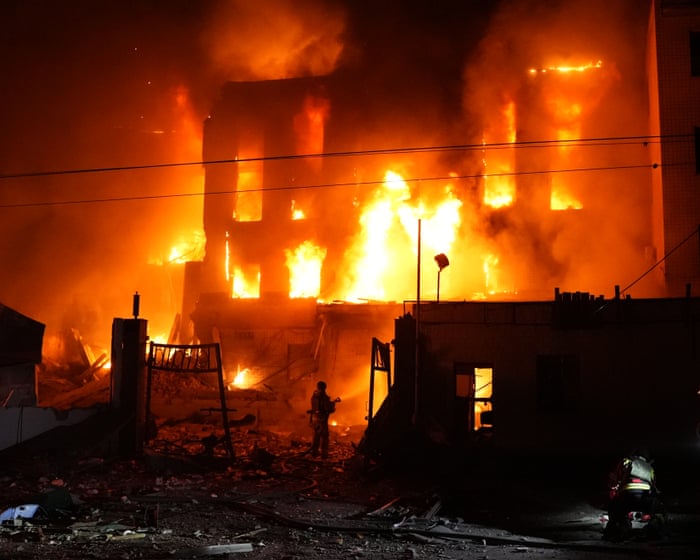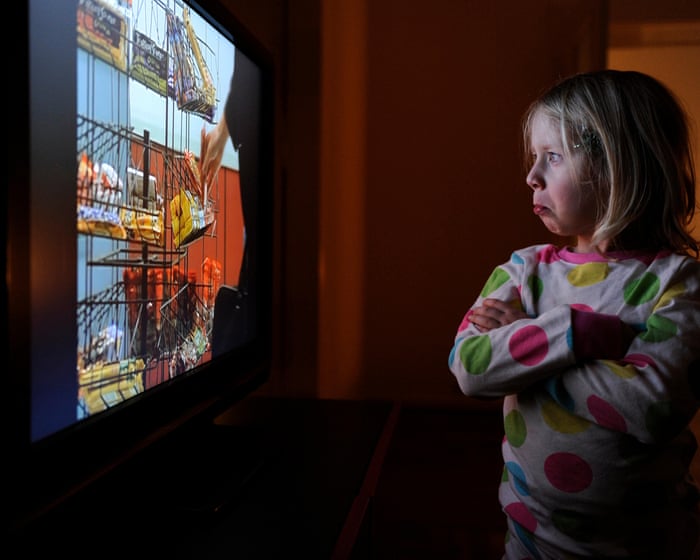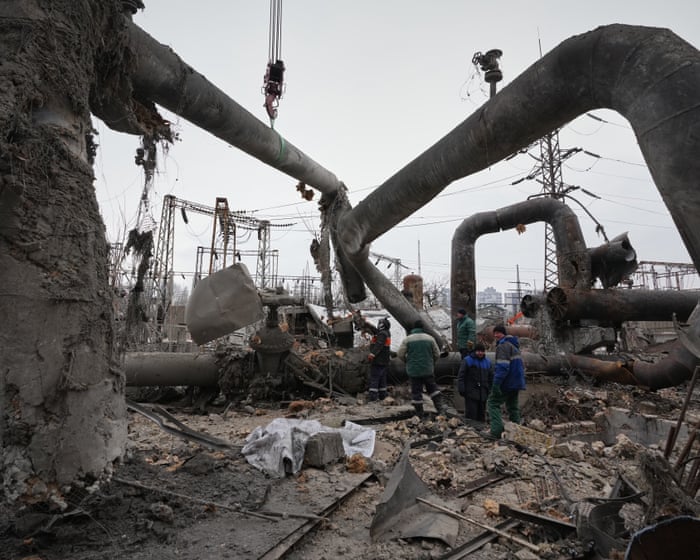
Amid the coldest winter of the war, relentless Russian strikes on energy infrastructure have left many Ukrainians without heating in sub-zero temperatures. Ukraine is particularly vulnerable to these attacks due to its widespread Soviet-era heating system, where entire neighborhoods of apartment blocks depend on a single central plant. In this setup, water is heated at a large power station and pumped through pipes to residential buildings for radiators and taps. A single strike on such a plant can cut off heat for whole districts.
Ukraine reports that all major power stations have been hit since the full-scale invasion began. These thermal plants often generate electricity as well, plunging people into both cold and darkness. Kyiv has been a primary target this year, with heavy bombardment of thermal plants and pumping substations.
The capital is filled with panelki—mass-produced, concrete-panel apartment blocks built across the former USSR during the postwar housing boom of the 1950s and 1960s. While their centralized heating was once considered efficient, serving tens of thousands, it is now a critical vulnerability. According to Mayor Vitali Klitschko, Russian attacks this year have left about 3,500 apartment buildings in Kyiv without heat.
Citywide blackouts are frequent, limiting electricity to just three or four hours a day. Authorities have set up warming tents for residents. The intense bombardment has coincided with severe cold: the lowest temperature in Kyiv this year was -20.7°C on February 2, and average daily temperatures have remained below freezing. Several people have frozen to death, and some are digging cesspits as water systems fail.
Other cities have also suffered. Deputy Prime Minister Oleksiy Kuleba said a recent Russian attack left nearly 300,000 people without power and water in Odesa, while over 10,000 lost heating in Dnipro.
Last month, the European Commission pledged 447 emergency generators, vowing, “The EU will not let Russia freeze Ukraine into submission and will continue helping Ukrainians get through this winter.”
Russian attacks have further disrupted electrical infrastructure, causing backup generators and batteries to fail and leaving people with few ways to stay warm. The Kyiv city administration even warned against a dangerous makeshift method—heating bricks with candles—which raises temperatures by only a degree or two.
Frequently Asked Questions
FAQ Ukraines SovietEra Heating System Vulnerability to Russian Attacks
BeginnerLevel Questions
What is Ukraines Sovietera heating system
Its a vast centralized network of pipes and power plants built during the USSR to provide heat and hot water to entire cities from a few large sources like coal or gas plants
Why is this system a problem during war
Because its a centralized interconnected network Damaging one key plant or pipeline can cut off heat and hot water for hundreds of thousands of people especially in winter
How does Russia target this system
By attacking critical infrastructure like power plants electrical substations and heating mains with missiles and drones This aims to cause widespread humanitarian suffering by depriving civilians of heat in freezing temperatures
What happens when a heating plant is hit
Apart from immediate destruction it can trigger cascading failures A loss of power can shut down pumps that circulate hot water causing pipes to freeze and burst creating a massive longterm repair job
Why cant people just use individual heaters
Many do but the system is designed as the primary source Widespread use of electric heaters can overload a damaged power grid causing further blackouts Also not everyone can afford or access them
Advanced Detailed Questions
What makes this system so centralized and vulnerable
Instead of individual building boilers it relies on massive Combined Heat and Power plants These plants generate both electricity and hot water which is then pumped through vast often aboveground pipelines across cities This creates single points of failure
Are the pipes themselves a vulnerability
Yes Many largediameter heat mains are routed in accessible aboveground corridors or shallow trenches making them easy targets for missiles Burst pipes can flood streets with scalding water and require months to repair
What is cascade failure in this context
Its the domino effect An attack on the electrical grid can disable pumps at a heating plant Without pumps hot water stops flowing pipes freeze and burst Now even if the power is restored the broken pipes prevent heat delivery until they are fixed
How does this system affect Ukraines military resilience
It diverts enormous resources Engineers and materials needed for military logistics must instead be used for emergency civilian repairs The humanitarian crisis