خانوادههایی که نوجوانانِ در حال تحصیل دارند، استرسِ آرام و خصوصیِ فصل امتحانات را میشناسند. اما امسال، آنچه میتوانست تابستانی از نگرانیِ کمرنگِ خانوادگی باشد، به اعتراضات عمومی در چندین کشور تبدیل شده است.
در مکزیک، هرجومرجِ مرتبط با امتحانات به تظاهرات گستردهی دانشجویی منجر شد، پس از آنکه نزدیک به ۶۰,۰۰۰ متقاضی دانشگاه به دلیل سوءظن به تقلب مجبور به شرکت مجدد در آزمونها شدند. در پرتغال، تلاشِ ناموفق برای دیجیتالیکردنِ تصحیحِ امتحانات مدرسه، بدترین بحران آموزشی این کشور را در دهههای اخیر رقم زد.
اما بزرگترین و جدیترین حادثه در هند رخ داد، جایی که لو رفتنِ برگهی امتحان، میلیونها دانشآموز را تحت تأثیر قرار داد و با بیش از دوازده خودکشی مرتبط دانسته شد. این رسوایی، وزیر آموزش را مجبور به استعفا کرد و بر کنترل دولت بر ۱.۴ میلیارد نفر جمعیتِ این کشور فشار وارد کرد.
چرا این فصل امتحانات بهویژه پرتنش و بیثبات به نظر میرسد؟ کارشناسان میگویند ظهورِ تقلب با کمک هوش مصنوعی و فشار مدارس برای انتقال امتحانات به فضای آنلاین، در هستهی این مشکل قرار دارند. وقتی پایِ سهمهای بالای گرفتن نمرات خوب در اقتصاد جهانیِ بهطور فزایندهای نامطمئن را به اینها اضافه کنید، نتیجه میتواند انفجاری باشد.
وزیر آموزش هند پس از شتابگرفتنِ اعتراضاتِ به رهبری جوانان استعفا داد
بیشتر بخوانید
دکتر سارا ایتون از دانشکدهی آموزش ورکلوند در دانشگاه کلگری گفت: «به نظر میرسد امتحانات در مقیاس جهانی در حال پرتنشتر شدن هستند.» او افزود: «فشاری که بر جوانان وارد میشود قطعاً تغییر کرده است.»
ایتون، کارشناس برجستهی اخلاق دانشگاهی، گفت: «در دههی گذشته شاهد تغییر وضعیت اقتصادی در سراسر جهان بودهایم. و این که یک امتحان سرنوشتِ کل آیندهی یک فرد را تعیین کند، فشار غیرقابلتحملی بر جوانان وارد میکند. وقتی جوانی به خاطر نتیجهی یک امتحان جان خود را میگیرد، یک فاجعه است.»
مشاهدهی تصویر در اندازهی کامل
متقاضیان دانشجویی دانشگاه ملی خودمختار مکزیک در اعتراض به برگزاری مجدد آزمون ورودی تظاهرات میکنند. عکس: خوزه لوئیس تورالس/نورفوتو/شاتراستاک
ایتون گفت وقتی یک آزمونِ واحد میتواند کل آیندهی یک جوان را تعیین کند، تقلب دیگر فقط یک مسئلهی فردی نیست و به یک مسئلهی سیستمی تبدیل میشود. این وضعیت زمانی بدتر میشود که شبکههای تجاری غیرقانونی، که گاهی «مافیای آموزش» نامیده میشوند، از ناامیدی دانشآموزان سوءاستفاده کرده و با دزدیدن و فروش برگههای امتحانی — چیزی که در هند و سایر کشورها رایج شده — به این وضعیت دامن میزنند.
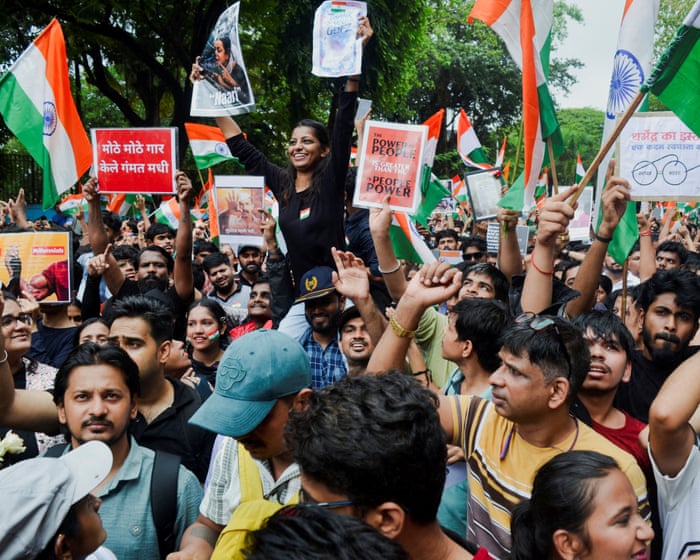
دانشآموزانی از سراسر هند به تظاهرات گستردهای پیوستند که توسط حزب سوسکِ مردم، یک جنبش اعتراضی به رهبری جوانان که بهعنوان یک شوخی آنلاین شروع شد و به یک اعتراض سراسری تبدیل گردید، رهبری میشد و چالشی جدی برای دولت نارندرا مودی ایجاد کرد.
ایتون گفت: «وقتی کلاهبرداری در مقیاس بزرگ را با شکست سیستمی ترکیب کنید، فروپاشی اعتماد عمومی تقریباً تضمینشده است. و وقتی آن اعتماد از بین رفت، بازگرداندنش تقریباً غیرممکن است. نمیتوانم تصور کنم هند با توجه به سطوح فساد و کلاهبرداری که دیدهایم، چگونه با این مسئله کنار خواهد آمد.»
مشاهدهی تصویر در اندازهی کامل
فرناندو الکساندر، وزیر آموزش پرتغال، که تلاشش برای دیجیتالیکردن فرآیند تصحیح امتحانات توسط برخی دانشآموزان و والدین بهعنوان یک شکست تلقی شده است. عکس: هوراسیو ویلالوبوس/کوربیس/گتی ایمجز
در پرتغال، پیامدهای تلاشِ ناموفق فرناندو الکساندر، وزیر آموزش، برای دیجیتالیکردن کامل فرآیند تصحیح امتحانات، دولت را به بحران کشانده است. والدین، معلمان و دانشآموزان در حال اعتراض هستند و پس از آنکه سیاست او به اشتباهات جدی در تصحیح منجر شد، خواستار استعفای الکساندر شدهاند.
اعتراضات مشابهی نیز در مکزیک رخ داد. دانشگاه ملی خودمختار مکزیک (اونام)، معتبرترین دانشگاه این کشور، اعلام کرد که به دلیل نمرات غیرعادی بالا در نتایج آزمون ورودی — که سوءظن به تقلب گسترده را برانگیخت — حدود ۵۸,۰۰۰ دانشجو باید در آزمون مجدداً شرکت کنند.
مدارس در سراسر جهان در تلاش هستند تا با استفادهی دانشآموزان از هوش مصنوعی مقابله کنند، یا با ممنوعکردن آن یا با آموزش سواد هوش مصنوعی و اخلاق به دانشآموزان. دانمارک این ماه اعلام کرد که از ترم آینده، نوجوانان باید از مقالههای نوشتهشدهی خود بهصورت شفاهی دفاع کنند. راههایی برای مقابله با تقلب با هوش مصنوعی.
ایتون تغییرات مشابهی را در کلاس درس خود اعمال کرده است. او گفت: «هوش مصنوعی میتواند در چند ثانیه یک مقالهی بینقص تولید کند. بنابراین مقاله دیگر روش معتبری برای نشاندادن آنچه دانشآموزان یاد گرفتهاند نیست. باید آن را رها کنیم و روشهای دیگری برای ارزیابی یادگیری دانشآموزان پیدا کنیم.»
مشاهدهی تصویر در اندازهی کامل
دولت نارندرا مودی در هند در حال مدیریت پیامدهای یکی از سختترین چالشهای سیاسی خود در سالهای اخیر است، زیرا خشم از بینظمیهای امتحانی به جنبشی گستردهتر دربارهی بیکاری و فرصتهای جوانان تبدیل شده است. عکس: سجاد حسین/ایافپی/گتی ایمجز
از دیدگاه ایتون، تقلب یک «مشکل انسانی» است، بنابراین تصحیح و ارزیابی یادگیری دانشآموز همیشه یک مسئولیت انسانی بوده است که به گفتهی او بهراحتی نمیتوان آن را به جدیدترین فناوری سپرد. او میگوید اما کاری که مؤسسات در سراسر جهان بهجای آن انجام میدهند این است که امیدوارند فناوری بتواند بهراحتی و ارزانقیمت از تقلب در مقیاس بزرگ جلوگیری کند.
دکتر توماس لنکستر، دانشمند رایانه در امپریال کالج لندن که به مطالعهی استفادهی آموزشی از هوش مصنوعی مولد میپردازد، بررسی کرده است که چگونه تقلب به فناوریپیشرفته تبدیل شده است. او میگوید دیگر موضوع پنهانکردن یادداشتها در آستین نیست، بلکه دربارهی ارتباطات پیچیده است.
لنکستر میگوید دانشآموزان همیشه تقلب کردهاند، اما این کار بسیار آسانتر شده است، بهطوری که دانشآموزان از هدفونهای کوچک یا دوربینهای ریز استفاده میکنند و بهطور فزایندهای با دوستان یا خانوادهای که به جستجوی اینترنتی دسترسی دارند در ارتباط هستند. او گفت: «فکر میکنم یادداشتهایی که مخفیانه وارد میکنید فقط در صورتی مفید هستند که یادداشتهای درستی باشند و بتوانید سریع آنها را بخوانید. اما با هر نوع فناوری ارتباطی، میتوانید آن تخصص را به شکل انسانی در بیرون منتظر داشته باشید. آنها یا پاسخها را میدانند، مهارتها را دارند، یا میتوانند آنها را آنلاین جستجو کنند. حتی میتوانید فراتر بروید و در طول امتحان مستقیماً با هوش مصنوعی ارتباط برقرار کنید. این واقعاً فناوری جاسوسی است.»
ایتون میگوید بهجای تمرکز بر تخلف فردی دانشآموز، ناتوانی در آموزش صحیح مربیان، دانشآموزان را مجبور میکند زمان ارزشمند خود را صرف تلاش برای عبور از این سیستمهای «شکسته» کنند بهجای تمرکز بر یادگیری. او گفت: «این ایدهی امتحانات انبوه در مقیاس بزرگ، فرآیند یادگیری و ارزیابی را تا حدی غیرانسانی میکند.» او میگوید این «این باور را تداوم میبخشد که امتحانات مهمترین چیز برای دانشآموزان هستند. فکر میکنم هدف را گم کردهایم. یادگیری باید مهمترین چیز برای دانشآموزان باشد.»
**سوالات متداول**
در اینجا فهرستی از سوالات متداول در مورد اعتراضات جهانی به تقلب با هوش مصنوعی، برگههای لو رفته و اشتباهات تصحیح، به زبانی طبیعی و قابلدسترس نوشته شده است.
**سوالات سطح مبتدی**
۱. چرا دانشآموزان دربارهی تقلب با هوش مصنوعی اعتراض میکنند؟
دانشآموزان اعتراض میکنند زیرا احساس میکنند واکنش به ابزارهایی مانند چتجیپیتی ناعادلانه است. بسیاری از مدارس از شناساگرهای هوش مصنوعی استفاده میکنند که دانشآموزان بیگناه را پرچمگذاری میکنند، یا ابزارها را بهطور کامل ممنوع میکنند و این امر برای دانشآموزانی که واقعاً از هوش مصنوعی برای کمک به مطالعهشان استفاده کردهاند، دشوارتر میشود. آنها قوانین روشن و فرآیندی منصفانه میخواهند.
۲. دقیقاً چه چیزی تقلب با هوش مصنوعی محسوب میشود؟
به معلم بستگی دارد، اما بهطور کلی به معنای ارائهی کار تولیدشده توسط هوش مصنوعی بهعنوان کار خودتان است. همچنین شامل استفاده از هوش مصنوعی برای نوشتن مقالههای کامل، حل مسائل پیچیدهای است که قرار بود خودتان حل کنید، یا بازنویسی متن هوش مصنوعی برای فرار از شناسایی است. استفاده از هوش مصنوعی برای طوفان فکری یا بررسی گرامر معمولاً اشکالی ندارد، اما همیشه باید سیاست مدرسهی خود را بررسی کنید.
۳. برگههای امتحانی لو رفته چگونه آنلاین منتشر میشوند؟
نشت معمولاً به دلیل خطای انسانی یا امنیت ضعیف رخ میدهد. یک معلم ممکن است بهطور تصادفی فایل اشتباهی را در یک درایو مشترک آپلود کند، چاپگری در مرکز آزمون ممکن است هک شود، یا شخصی با دسترسی به بانک سوالات، آنها را قبل از تاریخ آزمون در دارک وب یا شبکههای اجتماعی بفروشد.
۴. اشتباه تصحیح چیست و چرا باعث اعتراض میشود؟
اشتباه تصحیح زمانی است که مصحح برگهای را نادرست نمرهدهی کند — یا پاسخهای درست را از قلم بیندازد یا بیش از حد سختگیر باشد. وقتی یک گروه کامل از دانشآموزان به دلیل خطای سیستمی نمرات پایینی میگیرند، میتواند بر پذیرش دانشگاه تأثیر بگذارد، بنابراین دانشآموزان به خیابانها میآیند تا خواستار تصحیح مجدد شوند.
۵. اگر از هوش مصنوعی برای کمک به مطالعهام استفاده کنم، به دردسر میافتم؟
احتمالاً نه، تا زمانی که متن هوش مصنوعی را بهعنوان کار خودتان ارائه نکرده باشید. با این حال، اگر مدرسهی شما سیاست سختگیرانهی صفر در برابر هوش مصنوعی داشته باشد، حتی استفاده از آن برای تحقیق نیز ممکن است پرچمگذاری شود. مطمئنترین راه این است که قبل از استفاده از هر ابزار هوش مصنوعی از معلم خود بپرسید چه چیزی مجاز است.
**سوالات سطح پیشرفته**
۶. چرا شناساگرهای هوش مصنوعی غیرقابلاعتماد هستند و چگونه باعث اتهامات نادرست میشوند؟
شناساگرهای هوش مصنوعی با بررسی «گیجی» و «انفجار» کار میکنند. نوشتار انسانی بهطور طبیعی متنوعتر است. با این حال، این شناساگرها اغلب افرادی را که انگلیسی زبان مادریشان نیست، دانشآموزان عصبیرشدیمتفاوت و