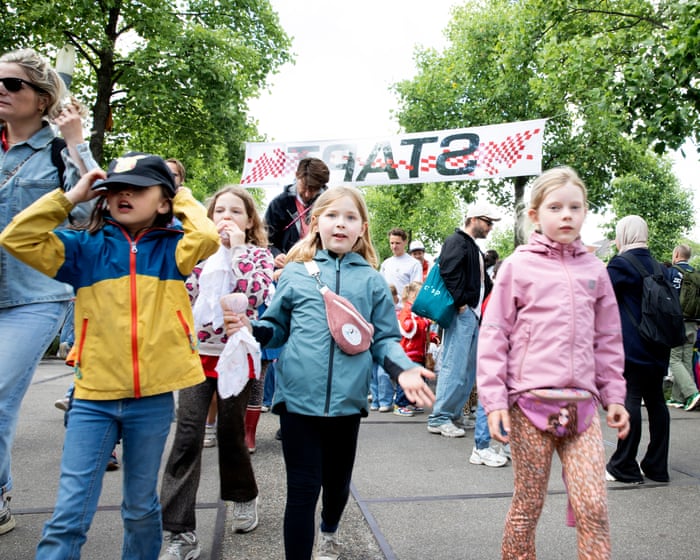
Non avrei dovuto sorprendermi che la pioggia non fermasse i bambini olandesi. Aveva tempestato tutto il giorno, e le previsioni della sera non sembravano molto migliori. Ma alle 17:00, centinaia di bambini hanno iniziato ad arrivare—molti in bicicletta—insieme ai loro genitori al Westerpark di Amsterdam, un popolare parco cittadino in una zona più residenziale della capitale. Oggi, il parco funge da punto di partenza: i volontari gestiscono le registrazioni, e gruppi di bambini si radunano, vestiti con impermeabili ed entusiasti di iniziare una camminata di 5 o 10 chilometri attraverso i quartieri vicini.
Questa è la seconda notte dell'Avondvierdaagse, che significa "camminata serale di quattro giorni", organizzata da un gruppo di volontari locali. Non è una gara, ma se i bambini completano tutte e quattro le notti, guadagnano medaglie, un mazzo di fiori e, se sono fortunati, un sacco di caramelle. Non sta accadendo solo ad Amsterdam. In villaggi, paesi e città dei Paesi Bassi, centinaia di migliaia di olandesi stanno facendo la stessa cosa: ogni anno, i bambini trascorrono quattro serate all'inizio dell'estate esplorando i loro quartieri con amici di scuola e genitori come parte della Settimana dell'Avond4daagse. Alcuni luoghi hanno tenuto le loro camminate prima; altri le facevano la settimana successiva. Una versione di questa tradizione si è persino diffusa in Suriname, un'ex colonia olandese. Ci sono anche eventi ciclistici e di nuoto di quattro giorni. Secondo la Reale Associazione Olandese di Camminata (KWbN), che aiuta a organizzare questi eventi, mezzo milione di persone partecipa ogni anno in 700 località in tutto il paese, supportate da decine di migliaia di volontari.
"L'evento è così olandese—non lo vedi davvero da nessun'altra parte," dice la collega volontaria Judith van Oudheusden mentre andiamo in bicicletta da un punto di controllo all'altro per raggiungere l'ondata di bambini in una parte diversa del percorso. Siamo incaricate di timbrare le loro tessere per confermare che hanno completato questa sezione della camminata di 10 chilometri di oggi. Una tessera piena significa che possono ottenere la loro medaglia l'ultimo giorno, un obiettivo che molti sono determinati a raggiungere. Stasera, cammineranno lungo i bordi occidentali del quartiere, attraverso parchi cittadini verdi come l'Erasmuspark e il Rembrandtpark, e lungo affascinanti strade residenziali, dando un'occhiata al mulino a vento storico Molen de Otter sulla via del ritorno al Westerpark. Van Oudheusden ha partecipato all'attività da bambina, dice, e più tardi ha camminato con i suoi stessi figli quando erano più piccoli. Fare volontariato ora sembra chiudere il cerchio.
L'Avondvierdaagse è iniziato come una tradizione militare, spiega Inger Leemans, professoressa di storia culturale alla Reale Accademia Olandese delle Arti e delle Scienze. La prima marcia si tenne nel 1909 a Nimega come evento di addestramento militare. Ma quando scoppiò la Seconda Guerra Mondiale, diverse città iniziarono a organizzare le proprie camminate per i soldati. Dopo la guerra, i civili furono invitati a unirsi a loro: le marce di quattro giorni a Nimega sono diventate un evento incredibilmente popolare in cui decine di migliaia di soldati e cittadini camminavano insieme in solidarietà. Rivolto a partecipanti più anziani, questo è ora il più grande evento di camminata al mondo, con 45.000 persone provenienti da oltre 80 paesi che percorrono ogni anno gli stessi percorsi di 30, 40 e 50 chilometri. Secondo Arno van Gemert, capo squadra per programmi e progetti presso KWbN, l'Avondvierdaagse è come il "fratellino o sorellina" dell'evento, principalmente incentrato sui bambini delle scuole elementari e i loro genitori.
"È interessante che questa camminata—con le sue radici militari—sia diventata uno dei simboli dell'identità nazionale olandese, specialmente per un paese che non si vede spesso come una nazione militare," dice Leemans, che ha anche partecipato alla tradizione crescendo a Leende, un villaggio vicino al confine belga. La maggior parte delle persone ora lo vede come un evento nazionale. È simile ad altre celebrazioni come il Giorno del Re, una festa nazionale che segna il compleanno del monarca olandese, con feste di strada, mercatini delle pulci e molti vestiti arancioni. L'Avondvierdaagse ha persino il suo dolcetto tradizionale: mezza arancia sormontata da una menta piperita bianca Wilhelmina, avvolta in un pezzo di mussola per i bambini da succhiare mentre camminano. Molti bambini ne gustavano uno lungo il percorso.
Mentre le camminate originali non riguardavano necessariamente la promozione dell'esercizio fisico, l'Avondvierdaagse è diventato un modo per incoraggiare i bambini a divertirsi all'aria aperta e a muovere i loro corpi. "È importante che i bambini siano fisicamente attivi e possano sviluppare le loro capacità motorie fin dalla giovane età," dice Sanne de Vries, professoressa di attività fisica nell'infanzia al Centro Medico dell'Università di Leida. Incoraggiare i bambini a completare l'intera settimana di camminata—con la pioggia o con il sole—e premiarli alla fine può aiutare a costruire una connessione positiva con l'attività fisica. "Un'emozione positiva duratura è fondamentale," aggiunge.
[View image in fullscreen: L'inizio di una camminata di quattro giorni ad Amsterdam nel 1958. Fotografia: Alamy]
Aiuta anche a costruire resilienza. "È stato presentato loro come una grande sfida perché sono 5 km e sembra davvero difficile," dice Fernanda Gomes, 44 anni, che sta percorrendo il percorso più breve con sua figlia di sette anni, Alicia (che sta sgranocchiando l'arancia tradizionale mentre parliamo). "Anche se piove, lo fanno comunque, e il messaggio dietro è fantastico per i bambini."
I bambini olandesi sono costantemente classificati tra i più felici del mondo. Quest'anno, un rapporto dell'UNICEF li ha nuovamente classificati al primo posto su 44 paesi occidentali per benessere generale e salute mentale. Le forti relazioni sociali sono state evidenziate come un fattore chiave. La ricerca mostra che i bambini olandesi hanno legami stretti con i loro coetanei. Inoltre, molti genitori olandesi lavorano part-time, dando loro più tempo da trascorrere con i loro figli. I bambini godono anche di più indipendenza: i genitori li lasciano vagare più liberamente, e molti iniziano presto, andando a scuola in bicicletta da soli.
Queste connessioni sociali sono evidenti all'Avondvierdaagse: le camminate danno ai bambini l'opportunità di trascorrere del tempo non solo con i loro genitori ma anche con i loro amici di scuola fuori dalla classe. Alcuni indossano persino magliette abbinate per rappresentare la loro scuola—una recita "Ren voor je leven," olandese per "corri per la tua vita." "È divertente con gli amici," dice Robin Astill, 10 anni, che cammina con sua madre e un'amica.
[View image in fullscreen: I bambini che completano l'evento ricevono medaglie. Fotografia: Judith Jockel/The Guardian]
"Mi piace che sia qualcosa che accade ogni anno e che faccia fare esercizio," dice Ansel Howard, 13 anni. "È qualcosa che le persone fanno da molto tempo, e puoi farlo con amici e famiglia e semplicemente divertirti."
Anche i genitori apprezzano l'Avondvierdaagse. Rebecca Astill, 46 anni, ha partecipato quando era più giovane; come genitore, è un'opportunità per esplorare di più i suoi dintorni. Ha camminato con i suoi figli 10 volte, prima con suo figlio e ora con Robin. "Puoi vedere più del tuo quartiere e camminare attraverso parti che normalmente non percorri," dice. Gli organizzatori scelgono specificamente percorsi per mostrare ai partecipanti nuovi posti, e il percorso cambia ogni anno. "Questa è l'arte e l'abilità del maestro del percorso," dice l'organizzatore Philip Bueters, che ha camminato come genitore con i suoi stessi figli anni fa.
Ad Astill piace anche che sia un'opportunità sociale—un sentimento condiviso da molti altri genitori. "A scuola, di solito vedi gli altri genitori solo per pochi minuti," dice Joost de Koning, 44 anni, mentre suo figlio di cinque anni, Noa, ci segue all'inizio di una camminata di 5 km. "Ma questo unisce la comunità scolastica."
L'Avondvierdaagse è un evento così positivo che è difficile trovare aspetti negativi. Alcuni si sono chiesti se le camminate siano abbastanza inclusive—per persone con disabilità, per esempio, o quelle di diversi background culturali. Soprattutto ad Amsterdam, i partecipanti all'evento potrebbero non sempre riflettere la diversità della popolazione locale e tendono ad attrarre genitori con redditi più alti nel quartiere.
[View image in fullscreen: Lucas al traguardo al Westerpark, dove i volontari distribuiscono fiori. Fotografia: Judith Jockel/The Guardian]
Un'altra sfida: mentre il fascino dell'evento risiede nell'essere gestito da volontari, può essere un enorme sforzo. "Negli ultimi anni, alcuni eventi hanno dovuto fermarsi perché non c'erano abbastanza volontari," dice Bueters, che si è unito al comitato organizzatore del quartiere quando l'ultimo gruppo di volontari è andato in pensione. "Le persone sono felici di aiutare ogni tanto, ma non per quattro giorni di fila."
L'Avondvierdaagse è molto uno sforzo comunitario. I locali donano il loro tempo, le aziende forniscono cibo e fiori, e la KWbN supporta i comitati locali (e distribuisce le ambite medaglie)—tutto perché capiscono quanto l'evento sia importante per i bambini e l'area.
"È sopravvissuto per decenni perché unisce le comunità in un modo semplice e sano, senza schermi," dice van Gemert della KWbN. Come spiega, c'è una parola olandese specifica per questo: **Gezelligheid**. La parola non ha una traduzione perfetta in inglese—forse intimità o unione—ma la riconosci quando la vedi. "Cattura lo spirito olandese di essere attivi all'aperto, qualunque sia il tempo, combinato con uno sforzo comunitario altamente organizzato."
E mentre l'Avondvierdaagse è unicamente olandese, ciò non significa che debba rimanere così. "Non è qualcosa che il governo ha inventato per far fare esercizio ai bambini; la formula può essere copiata," dice Bueters. Aicha Lagha, un'altra volontaria, è d'accordo. "Penso che possa funzionare ovunque ci sia una comunità, o dove vuoi costruirne una," dice.
Al Westerpark, mentre aspetto al traguardo l'ultimo giorno—quando finalmente splende il sole—quel senso di comunità è forte. A poche centinaia di metri dal traguardo, i volontari distribuiscono fiori da un fioraio locale. I familiari aspettano pazientemente per celebrare il risultato: una nonna è arrivata 20 minuti prima per assicurarsi di vedere suo nipote di sette anni camminare con sua figlia. "È un evento molto speciale," mi dice, ricordando di aver camminato lei stessa da bambina—"e questo è stato molto tempo fa," scherza.
Mentre sempre più bambini attraversano il traguardo, l'area si trasforma in una grande celebrazione: i bambini ballano al ritmo del successo del 2015 di Snollebollekes **Links Rechts**, saltando a sinistra e a destra in fila durante il ritornello in quella che è diventata una sorta di tradizione nazionale. Alcuni bambini si arrampicano su una statua per una foto. Anche i genitori festeggiano, scattando con orgoglio foto dei loro bambini con le medaglie.
Mentre me ne vado, l'entry dell'Eurovision 2024 di Joost Klein, **Europapa** (un altro preferito dei bambini locali), viene suonata per la terza volta in 20 minuti. Nessuno sembra preoccuparsene, e a nessuno importa che il tempo stia diventando nuvoloso e piovoso. Sono troppo concentrati sulla festa. Non ci sono parole inglesi che catturino appieno la pura gioia che riempie l'area. È semplicemente **gezellig**.
**Domande Frequenti**
Ecco un elenco di FAQ sulla tradizione olandese delle camminate e la sua connessione con bambini felici e sani.
**Domande di Livello Base**
1. **Cos'è la tradizione olandese delle camminate?**
È l'abitudine di far camminare o andare in bicicletta i bambini a scuola, nei negozi e alle attività fin da molto piccoli, spesso a partire dall'età di 4 anni. I genitori raramente li accompagnano in auto per brevi distanze.
2. **I bambini olandesi sono davvero molto più felici e sani?**
Sì, gli studi classificano costantemente i bambini olandesi tra i più felici e sani del mondo sviluppato. Hanno bassi livelli di stress, alta attività fisica e forti connessioni sociali.
3. **In che modo camminare rende i bambini più sani?**
Camminare ogni giorno rafforza ossa, muscoli e salute cardiovascolare. Aiuta anche a prevenire l'obesità infantile e migliora la qualità del sonno.
4. **In che modo camminare rende i bambini più felici?**
Camminare dà ai bambini indipendenza, aria fresca e tempo per chiacchierare con amici o genitori. Questo riduce l'ansia, migliora l'umore e costruisce fiducia in se stessi.
5. **È sicuro per i bambini piccoli camminare da soli nei Paesi Bassi?**
Generalmente sì. I Paesi Bassi hanno eccellenti piste ciclabili, bassi limiti di velocità nelle aree residenziali e una forte cultura di prendersi cura dei bambini. Molti bambini camminano in gruppo o con un genitore fino all'età di 8 o 9 anni.
**Domande di Livello Avanzato**
6. **È solo la camminata o ci sono altri fattori?**
Camminare è una parte importante, ma è un pezzo di un puzzle più grande. I genitori olandesi danno anche priorità al gioco libero, a giornate scolastiche equilibrate con pochi compiti a casa e a un'enfasi culturale sulla *gezelligheid*.
7. **E il maltempo? Non si ammalano?**
No. I genitori olandesi vestono i bambini con impermeabili e stivali. Credono che non esista maltempo, solo abbigliamento inadeguato. Questo costruisce resilienza e l'esposizione all'aria aperta rafforza effettivamente il sistema immunitario.
8. **Quanto camminano tipicamente i bambini olandesi?**
Per un bambino di 6 anni, potrebbero essere 1-2 km per andare a scuola. Per i bambini più grandi, camminare o andare in bicicletta fino a 5 km per andare a casa di un amico o all'allenamento sportivo è comune.
9. **E se la scuola è troppo lontana per camminare?**
Se è a più di 3-4 km, i bambini usano spesso una *bakfiets* (bicicletta con cassa) o i mezzi pubblici.