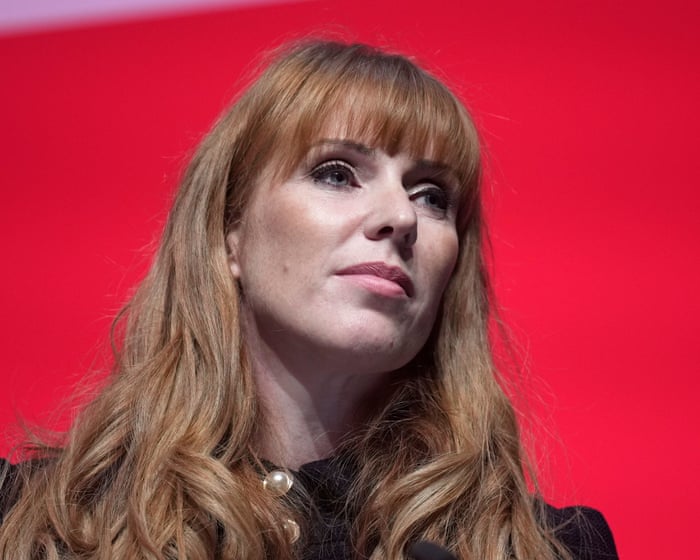
Размяната на писма между Анджела Рейнър и Кийр Стармър бележи края на една глава и началото на друга. Рейнър прие заключението на надзорния орган за министерски стандарти, че тя наруши правилата на кабинета, като не плати по-висок процент данък върху прехвърляне на собственост за апартамента си в Хоув. Стармър отвърна със съжаление, заявявайки, че губи не само своя заместник и министър по жилищната политика, но и символ на социалната мобилност. Няма горчивина — само взаимно разбирателство: Рейнър приема, че трябва да подаде оставка, а Стармър признава, че тя остава значима фигура. Нейното влияние надхвърляше политиките; тя се свързваше с избирателите по начин, достъпен за малцина. Нейната лична история имаше почти митично тегло — от тийнейджърка майка в жилищен комплекс в Стокпорт до синдикалистка и в крайна сметка вицепремиер. Тя въплъщаваше обещанието на политиката на Лейбъристката партия като никой друг.
Въпреки това, грешките не трябва да слагат край на кариерата. Ако министърт поеме отговорност своевременно и покае разкаяние, може да успее да възстанови позицията си, след като общественият гняв отшуми.
Напускането на Рейнър също подчертава промените в Лейбъристката партия и правителството. Разпределението на длъжностите от Стармър прилича по-малко на обновление, а повече на превземане от „модернизиращото“ крило на партията. Освобождаването на Иън Мъри отслабва връзките с Шотландската лейбъристка партия на Анас Сарвар, която се беше изместила наляво точно когато изборите в Холируд наближават. Отстраняването на Люси Пауъл маргинализира една от малкото съюзнички в кабинета на фигурата от мекото ляво Ед Милибанд. Преместването на Ивет Купър във Външното министерство сигнализира за провал в решаването на проблема с малките лодки и ограничава несъгласието по Газа, имайки предвид нейната позиция по протестите. Преименуването на социалните помощи в „министерство на растежа“ под ръководството на Пат Макфадън изолира Лиз Кендъл след нейното поражение в Камарата на общините относно намаляването на помощите.
Назначението на Дейвид Лами за вицепремиер означава, че Лейбъристката партия сега се ръководи от двама адвокати от Северен Лондон — рязък контраст с автентичността на Рейнър, произхождаща от северните работнически класове. Издигането на Шабана Махмуд на министър на вътрешните работи, преместването на Стийв Рийд в жилищната политика и назначението на Питър Кайл по бизнеса подчертават влиянието на главния сътрудник на Стармър, Морган Максуини. Този кабинет може да предложи последователност, но за сметка на баланса, идеологическото разнообразие и връзката с по-широката база на партията.
Оставката на Рейнър също разкрива напрежение между заместник-лидер, избран от лидера, и този, избран от партията. Новата роля на Дарън Джоунс като „главен секретар на премиера“ създава объркване наред с тази на Лами. Но заместник-лидерът не е просто технократичен пост — той се избира от членовете и синдикатите, с собствен мандат и власт да надзирава всяко лидерско състезание.
Напускането на Рейнър предизвика битка за бъдещето на Лейбъристката партия. С набиращата сила на Реформ, кризите в чужбина и спадащото обществено доверие, партията рискува да се обърне навътре. Ще се проведат избори за заместник-лидер. Въпреки че високите бариери правят ляв претендент малко вероятен, това не е невъзможно. Амбициозни модернизатори като министъра на здравеопазването Уес Стрийтинг може да обмислят кандидатурата, но състезанието може да възроди вътрешни разделения точно когато Лейбъристката партия се нуждае от единство. Нов главен организатор може да помогне. Трудно е да си представим депутат от Лейбъристката партия, подкрепил например намаляване на помощите за хората с увреждания, да спечели такова състезание. Докато Стармър работи да наложи авторитета си, по-големият риск е неуспехите на непопулярен лидер да се превърнат в част от открита борба за душата на партията сред нейните членове.
Имате ли мнение по въпросите, повдигнати в тази статия? Ако искате да изпратите отговор с дължина до 300 думи по имейл за евентуална публикация в нашата рубрика „Писма до редактора“, моля, кликнете тук.
Често задавани въпроси
Разбира се, ето списък с често задавани въпроси относно мнението на The Guardian за напускането на Анджела Рейнър, създаден да бъде ясен и полезен за читатели с различно ниво на запознатост с британската политика.
Общи въпроси за начинаещи
В: Коя е Анджела Рейнър?
О: Анджела Рейнър е висша политичка от Лейбъристката партия. Тя беше заместник-лидер на партията и изпълняваше ролята на тенев министър по въпросите на изравняването, фокусирайки се върху проблеми като жилищната политика и регионалното неравенство.
В: За какво се отнася мнението на The Guardian?
О: То се отнася до официалното редакционно мнение на вестника, което се публикува анонимно и представлява институционалната позиция на The Guardian, а не само на един журналист.
В: Анджела Рейнър наистина ли напусна Лейбъристката партия?
О: Не. Тя беше освободена от конкретната си длъжност в теневния кабинет от лидера на партията Кийр Стармър. Тя остава депутат от Лейбъристката партия.
В: И така, каква е основната теза на редакционния коментар на The Guardian?
О: The Guardian твърди, че уволнението на Рейнър е значителна грешка. Те смятат, че то отслабва партията, като премахва мощен глас от нейното ляво крило и популярна фигура сред обикновените членове, разкривайки дълбоки вътрешни разделения относно стратегията и идеологията.
Въпроси от средно ниво за въздействието
В: Защо The Guardian смята това за загуба?
О: Те виждат Рейнър като ключова връзка между ръководството на партията и нейната традиционна работническа база. Напуснето й от предните редици се възприема като загуба на нейната автентичност, политическа проницателност и връзка с основните избиратели.
В: Какви са по-дълбоките разделения, споменати в заглавието?
О: Разделенията са главно между центристкия, по-предпазлив подход на лидера Кийр Стармър и по-традиционното социалистическо, смело течение, свързано с лявото крило на партията, което Рейнър често представляваше.
В: Каква беше официалната причина, дадена за напускането й?
О: Кийр Стармър заяви, че това е част от по-широка смяна на кабинета, целяща създаването на силен, обединен екип, фокусиран върху следващите общи избори. Въпреки това, това широко се възприема като ход за изолиране на потенциален противник и изместване на партията по-нататък към политическия център.
В: Какво е смяна на тенев кабинет?