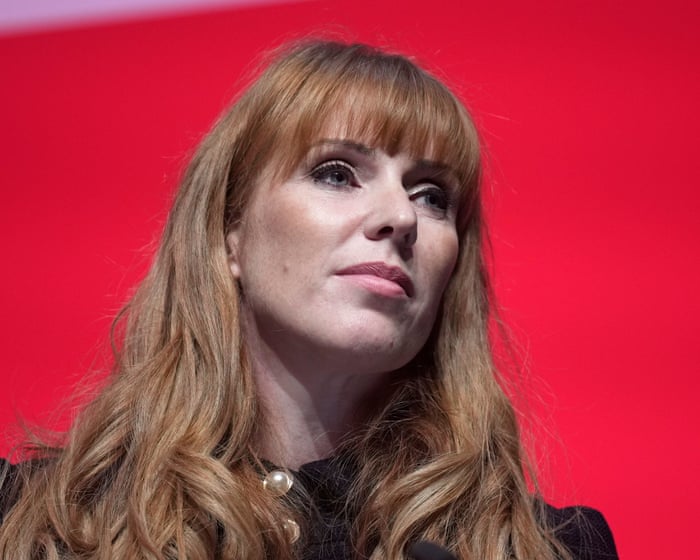
The exchange of letters between Angela Rayner and Keir Starmer marks the end of one chapter and the beginning of another. Rayner accepted the finding by the ministerial watchdog that she broke cabinet rules by not paying the higher stamp duty rate on her Hove flat. Starmer responded with regret, saying he was losing not only his deputy and housing secretary but also a symbol of social mobility. There is no bitterness—only mutual understanding: Rayner acknowledges she must step down, and Starmer recognizes she remains a powerful figure. Her impact went beyond policy; she connected with voters in ways few others could. Her journey—from teenage mother on a Stockport estate to trade unionist to deputy prime minister—had a symbolic power. She embodied Labour’s promise like no one else. Still, mistakes don’t have to be career-ending. If a minister takes responsibility early and shows remorse, they may rebuild their standing once public anger subsides.
Rayner’s departure also affects the balance within Labour and the government. Starmer’s reshuffle appears less like renewal and more like a takeover by the party’s “modernizing” faction. Ian Murray’s dismissal weakens ties to Scottish Labour under Anas Sarwar, which had been shifting left just before the Holyrood election. Lucy Powell’s removal sidelines one of the few cabinet allies of soft-left figure Ed Miliband. Moving Yvette Cooper to the Foreign Office signals failure on small boat crossings and limits dissent on Gaza, given her stance on protest. Renaming welfare as a growth department under Pat McFadden diminishes Liz Kendall’s role after her defeat in the Commons over benefit cuts.
David Lammy’s promotion to deputy prime minister means Labour is now led by two north London lawyers—a stark contrast to Rayner’s northern, working-class authenticity. Shabana Mahmood’s rise to home secretary, Steve Reed’s move to housing, and Peter Kyle’s appointment to business highlight the influence of Starmer’s chief of staff, Morgan McSweeney. This cabinet may bring coherence, but at the expense of balance, ideological diversity, and connection with the party’s broader base.
Rayner’s resignation reveals a deeper tension between the deputy the leader chooses and the one the party elects. Darren Jones’s new role as “chief secretary to the prime minister” adds to the confusion with Lammy. But Labour’s deputy leader isn’t just a technocratic post—it’s elected by members and unions, carrying its own mandate and the authority to oversee any leadership contest.
Rayner’s exit has sparked a battle over Labour’s future. With Reform gaining ground, international crises, and declining public trust, the party risks turning inward. An election for deputy leader will happen. Though high barriers make a left-wing challenger difficult, it’s not impossible. Ambitious modernizers like Health Secretary Wes Streeting may consider running, but the contest could revive internal divisions just when Labour needs unity. A new chief whip might help. It’s hard to imagine a Labour MP who supported, for example, cuts to disability benefits winning. While Starmer focuses on imposing his will on government, the greater risk is that an unpopular leader’s failures become part of an open struggle for the party’s soul among its members.
Do you have an opinion on the issues raised in this article? If you would like to submit a response of up to 300 words by email for possible publication in our letters section, please click here.
Frequently Asked Questions
Of course Here is a list of FAQs about The Guardians view on Angela Rayners departure designed to be clear and helpful for readers at different levels of familiarity with UK politics
BeginnerLevel Questions
1 Who is Angela Rayner
Angela Rayner is a senior Labour Party politician She was the Deputy Leader of the party and held the unofficial title of Shadow Deputy Prime Minister in the oppositions cabinet
2 What is The Guardians view referring to
It refers to the newspapers official opinion which is published in its editorials These pieces represent the institutional stance of The Guardian not just one journalists perspective
3 Why did she depart from her shadow cabinet role
She was effectively forced to step down by the Labour leader Sir Keir Starmer as part of a major reshuffle of his top team This is a common political tactic to refresh a partys image and strategy
4 So what is the main point of The Guardians article
The main point is that losing Rayner is a significant mistake for Labour The newspaper argues it removes a powerful voice for the partys traditional workingclass base and exposes deep internal conflicts about Labours direction and identity
IntermediateLevel Questions
5 What are the deeper divisions mentioned in the headline
The divisions are primarily between the partys left wing and its centrist wing They disagree on core issues like economic policy how much to challenge the government and who the partys core voters should be
6 Why does The Guardian see her departure as a loss
They view her as a crucial link to Labours heartlands in Northern England She is a charismatic workingclass figure who could communicate effectively with voters that the party has struggled to win back Losing her risks making the party look too Londoncentric and out of touch
7 Was this a surprise move
While reshuffles are expected the demotion of such a highprofile figure was seen as a bold and surprising move by Starmer indicating he wanted to firmly stamp his authority on the party
8 What is a shadow cabinet
It is the team of senior opposition MPs who are chosen to scrutinize and challenge specific government ministers Each shadow minister covers a