Paul Thomas Anderson'ın karşı kültür drama-gerilim filmi One Battle After Another, Thomas Pynchon'ın Vineland romanından esinlenerek, seyircileri şaşırtan, zorlayan ve büyüleyen biçimsel bir bilmece olmayı sürdürüyor ve yıl, filmin tam anlamı üzerinde herhangi bir kesin anlaşma olmadan sona eriyor. Senaryo yazarı ve film yapımcısı Paul Schrader nadir bir muhalif ses olarak çevrimiçinde açıkça şunu belirtti: "A+ seviyesinde film yapımı, ancak elimden gelse de Leonardo DiCaprio veya Sean Penn için bir damla empati duyamadım. Onların ölmesini bekleyip durdum."
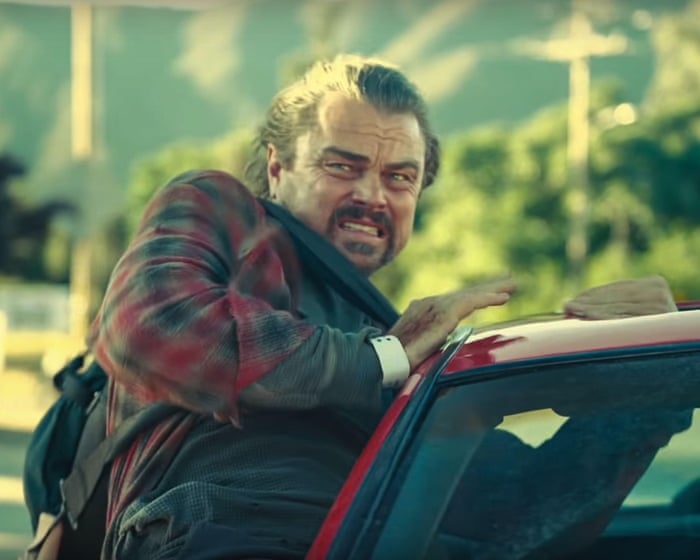
Ancak film tam da bu yüzden etkileyici: iki sevimsiz başrol oyuncusu için gerçekten de hiç empati yok ve onların ölümlülüğü ve savunmasızlığı, bir tür çözülen, entropik bir enerji taşıyor. Felakete doğru gidiyorlar. Ve evet, film yapımı A+ hatta A++; kendi cüretkarlığı ve becerisinden aldığı bir keyifle yüklü. Geç dönem Kubrick zarafeti ve öz farkındalıklı teatralliği olan bir film yapımı, virajlı bir otoyolda heyecan verici ama ürkütücü derecede tuhaf bir araba kovalamacasına doğru ilerliyor. Bu, özden çok biçim değil, ancak kesinlikle bilinçli tarzını, konusu olan günümüz ve geleceğin küçük, zorba Amerika'sı ve onun içinden ona direnerek yaşlanacak olanlarla eşit düzeye çıkarmaktan kendini alamayan bir film.
Yanıtlanmamış soru, hikayenin ne zaman ve nerede geçtiği. 10 veya 20 yıl öncesinin ABD'si mi? Yoksa günümüz Amerika'sının alternatif, hayali bir versiyonu mu—tuhaf bir dünya Amerika'sı mı? Tanınabilir çağdaş gerçeklikten bu kaçınma kısmen, oyunbaz ve karikatürize hayal gücüyle Pynchon'ın uyarlanmasından ve romanının güncellenmesinden kaynaklanıyor; romanın günümüzdeki eylemi aslen Reagan dönemi 80'lerde geçiyordu, geriye dönüşlerle çalkantılı 60'lara uzanıyordu. Hikaye şimdi Obama ve Trump yılları arasındaki bir zamana—veya çapraz olarak yeni bir anlatı boyutuna kaydırılmış. Başlık, modern yaşamın sonsuz krizlerini ve sürekli kültür savaşlarını ima ediyor.
Leonardo DiCaprio, bir zamanlar Meksika sınırındaki göçmen gözaltı hapishanelerine saldıran bir aktivist hücresinin parçası olan eski bir devrimci Bob'u oynuyor. Yaşlanmış, huysuz, sarhoş, dağınık bir ezik haline gelmiş. O şanlı günlerdeki ortağı, manyetik karizmasıyla Teyana Taylor'ın canlandırdığı Perfidia'ydı. Perfidia, sürüngen bir şevkle Sean Penn'in oynadığı, kalın boyunlu, boşboğaz karşı-ayaklanma istihbarat sorumlusu Albay Steven Lockjaw'ı cinsel olarak etkilemeyi başardı.
Lockjaw'ın ona olan takıntısı—ırkçı fetişizmin acınası, aşağılık bir vecd ile birleştiği—Perfidia'nın askeri muhalefeti kontrol etmek için manipüle etmeye çalıştığı bir şey. Ancak her şey korkunç bir şekilde ters gidiyor; hamile kalıyor ve Chase Infiniti'nin oynadığı kızı Willa, filmin babalık krizinin merkezi haline geliyor. Amerika'nın gerçek ebeveyni kim: gerici mi radikal mi?
DiCaprio, Penn, Taylor ve Infiniti'nin hepsi etkileyici, parlak performanslar sergiliyor ve Jonny Greenwood'un müziği mükemmel. One Battle After Another, zulüm, despotluk ve muhalefetin kahramanlığı hakkında sözleri olan bir protesto şarkısı niteliğinde bir film.
Sıkça Sorulan Sorular
Elbette, 2025'in varsayımsal en iyi İngiliz filmi One Battle After Another hakkında bir SSS listesi.
**Genel & Konu SSS**
**S: One Battle After Another ne hakkında?**
C: İngiliz tarihinde daha az bilinen bir çatışma döneminde geçen, küçük ve çeşitli bir askeri birliği takip eden tarihi bir dram. Film, büyük savaş stratejisinden çok, sadece her gün hayatta kalabilmek için verdikleri kişisel, psikolojik ve ahlaki savaşlara odaklanıyor.
**S: Gerçek bir hikayeye mi dayanıyor?**
C: Gerçek olaylardan esinlenmiş ve çeşitli tarihi anlatılardan hikayeleri birleştiriyor, ancak merkezi karakterler ve belirli anlatı kurgusal.
**S: Başrollerinde kimler var?**
C: Film, yerleşik ve yükselen İngiliz yeteneklerin bir karışımını içeriyor. Tam kadro doğrulanmamış olsa da, George MacKay, Letitia Wright gibi oyuncuların başrolde olduğu ve kilit bir rolde nispeten yeni bir oyuncunun öne çıkan bir performans sergilediği söyleniyor.
**S: Filmi kim yönetti?**
C: Film, karakter odaklı hikaye anlatımıyla tanınan saygın İngiliz yönetmen Sarah Gavron tarafından yönetildi.
**İzleme & Yayın SSS**
**S: Ne zaman ve nerede izleyebilirim?**
C: İngiltere'de 2025 sonbahar sonunda sinemalarda gösterime girmesi planlanıyor. Dijital yayın hakları henüz açıklanmadı, bu nedenle önce sinemalarda olacak.
**S: Film çocuklar için uygun mu?**
C: Hayır. Güçlü savaş şiddeti, yoğun psikolojik temalar ve güçlü dil nedeniyle BBFC'den 15 yaş sınırı alması bekleniyor.
**S: Filmin süresi ne kadar?**
C: Bildirilen süre yaklaşık 2 saat 10 dakika.
**S: Neden şimdiden bu kadar ilgi görüyor?**
C: Saygın bir yönetmen, erken okuyucularla yankı uyandıran güçlü bir senaryo ve direnç ile çatışmanın insani maliyeti hakkındaki güncel temaların birleşimi, erken gösterimleri izleyen eleştirmenlerden önemli ölçüde ön yayın övgüsü almasını sağladı.
**Temalar & Analiz SSS**
**S: Bunu diğer savaş filmlerinden farklı kılan nedir?**