The European Union’s top court has ruled that same-sex marriages must be recognized across all member states and criticized Poland for failing to acknowledge a marriage between two Polish citizens that occurred in Germany.
On Tuesday, the court stated that Poland was incorrect in not recognizing the couple’s marriage upon their return to Poland, despite Polish law not permitting same-sex marriages. The EU Court of Justice emphasized that this refusal violates both the freedom of movement and residence, as well as the fundamental right to private and family life.
In Poland, where Catholicism is predominant, the fight for LGBT+ equality has long been dismissed by authorities as a threatening foreign concept. Nonetheless, the current administration is drafting legislation to establish civil partnerships, which would include same-sex couples.
The binding decision from the European court came in response to a Polish court’s inquiry regarding a case where two men challenged the rejection of their German marriage certificate in Polish records. The couple, who wed in Berlin in 2018, have been referred to only by their initials in legal proceedings, and their lawyer has chosen not to comment on the ruling.
The court affirmed that EU citizens have the right to move freely within the bloc and maintain a normal family life both abroad and upon returning home. It stressed that individuals who establish family ties, such as through marriage, in another member state should be confident they can continue that life when they go back to their country of origin.
While the ruling does not obligate member states to legalize same-sex marriage domestically, it prohibits discrimination against same-sex couples in the recognition of marriages conducted abroad.
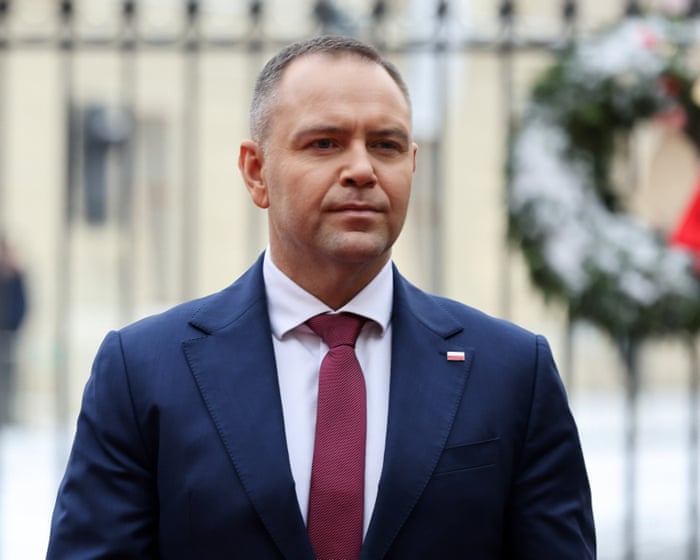
In Poland, Prime Minister Donald Tusk and his pro-European coalition are facing obstacles in advancing the same-sex union bill due to opposition from their conservative partners. Additionally, Poland’s nationalist president, Karol Nawrocki, has declared he would veto any legislation that he believes compromises the constitutionally protected definition of marriage.
Frequently Asked Questions
Of course Here is a list of helpful and clear FAQs about the EU court ruling on samesex marriage recognition
Beginner Definition Questions
1 What exactly did the EUs top court rule
The Court of Justice of the European Union ruled that all member countries must recognize the samesex marriages of couples who were legally married in another EU country for the purpose of granting residency rights
2 Why is this a big deal
It means that even if a country like Poland doesnt perform samesex marriages itself it cannot ignore a valid marriage certificate from another EU country when a couple needs to live there together
3 What is the EUs top court called
Its called the Court of Justice of the European Union Its the highest legal authority in the EU and its rulings are binding on all member states
4 What was Polands stance that is being challenged
Poland does not legally perform or recognize samesex marriages Some regions in Poland have even declared themselves LGBTideology free zones creating a hostile environment for LGBTQ individuals
Benefits Implications
5 What is the main benefit of this ruling for samesex couples
The primary benefit is securing residency rights If one partner is an EU citizen from a country that doesnt recognize their marriage they can now use their marriage certificate from another EU country to guarantee their spouses right to live with them
6 Does this mean Poland now has to perform samesex marriages
No The ruling does not force any country to perform samesex marriages It only requires them to recognize existing legal marriages from other EU member states for specific legal purposes like residency
7 What other rights might this recognition lead to
Beyond residency it could pave the way for other spousal benefits in areas like inheritance taxation social security and hospital visitation rights as these are often tied to marital status
Common Problems Limitations
8 What are the potential problems or pushback
The main problem is enforcement Countries opposed to the ruling may delay or create bureaucratic hurdles There could also be significant political and social resistance from conservative groups and governments
9 Does this apply to all legal unions like civil partnerships
The specific ruling is about marriage However the CJEU