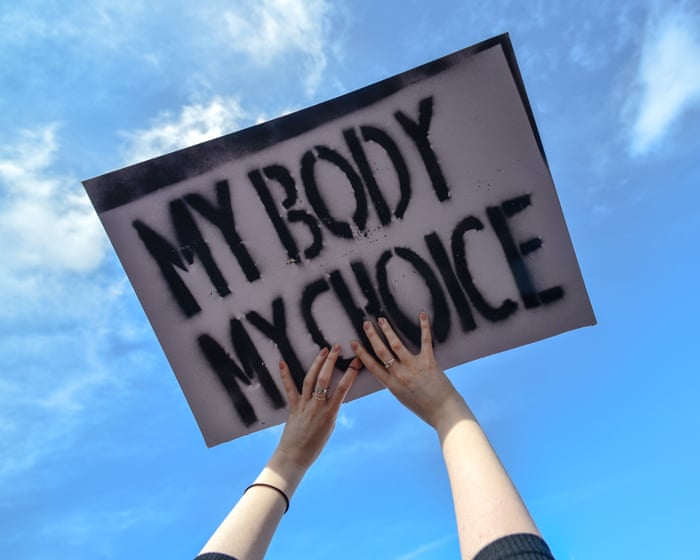
Ireland’s parliament has voted to eliminate the mandatory three-day waiting period for early pregnancy abortions, after campaigners argued the rule was an unnecessary restriction. The Dáil passed the bill on Wednesday night, paving the way for it to go to a parliamentary committee and become law later this year or next.
Supporters described it as one of the most significant changes to women’s healthcare since voters ended a constitutional ban on abortion in a 2018 referendum. Opponents said it overturned a safeguard that was approved in that referendum.
Mary Lou McDonald, the leader of Sinn Féin, which sponsored the bill, said: “Women, healthcare providers, and campaigners have long called for this unnecessary barrier to be removed.”
Under the current rule, there is a compulsory three-day waiting period between when a woman can seek an abortion up to 12 weeks and when she can get the necessary medication. This was added to the draft legislation before the 2018 referendum to win over voters who were unsure about legalizing abortion.
The bill passed with 86 deputies in favor and 70 against. The ruling centrist coalition of Fianna Fáil and Fine Gael allowed its Dáil deputies a free vote as a matter of conscience.
Most deputies from both parties voted against it, but a handful of cabinet ministers, including the Taoiseach, Micheál Martin, and the Tánaiste, Simon Harris, joined other party colleagues in supporting the Sinn Féin proposal, which was also backed by other left-wing opposition parties.
“You don’t have to think abortion is a good or desirable thing to believe that it is a matter for each individual to decide if it’s the right choice for them,” said Barry Ward, a Fine Gael deputy who supported the bill. “We have to assume that women will think long and carefully about such an important decision, and the mandatory three-day waiting period assumes the opposite.”
A 2022 review of the legislation by barrister Marie O’Shea recommended removing the three-day rule and relaxing other restrictions.
Supporters of the three-day rule said it was approved in the referendum and gave women time to reflect on an important decision. They pointed to official figures showing that between 2019 and 2024, about 10,400 women did not return for a second abortion consultation after the waiting period.
Robert Troy, a Fianna Fáil junior minister, said some voters supported abortion legalization based on certain “protections and safeguards,” including the three-day wait. “It doesn’t do politics any justice to row back a short time later and try to change things.”
Peadar Tóibín, the leader of the Aontú party, said there was no public desire to remove the waiting period. “Many people who voted for repeal are angry.”
Frequently Asked Questions
Here is a list of FAQs about the Irish parliament voting to remove the threeday waiting period for abortions
BeginnerLevel Questions
Q What did the Irish parliament just vote on
A They voted to remove the mandatory threeday waiting period that women had to observe before getting an abortion
Q What was the threeday waiting period
A It was a law that required a woman to wait at least three days after her initial doctors appointment before she could have the abortion procedure
Q Why did they have a waiting period in the first place
A The waiting period was originally intended to give someone time to think over their decision and make sure they werent being pressured
Q What changes now that the waiting period is gone
A Women can now get an abortion on the same day or the next day after their first appointment as long as they are still within the legal time limit
Q Is abortion now completely legal and unrestricted in Ireland
A No The law still only allows abortion up to 12 weeks of pregnancy After that it is only permitted in very specific medical circumstances
Advanced Practical Questions
Q Why did parliament decide to remove the waiting period
A Many politicians and doctors argued the waiting period was causing unnecessary distress and delays especially for women in rural areas or those with difficult personal situations They felt it was a barrier to timely healthcare rather than a helpful reflection period
Q Does this mean I can walk into a clinic and get an abortion immediately
A Not exactly You still need to see a doctor for an initial consultation and assessment But now you can usually have the procedure on the same day as that appointment rather than having to schedule a second visit three days later
Q I live in a remote part of Ireland How does this help me
A It helps a lot Previously you might have to travel to a city for the first appointment wait three days and then travel back again Now you can potentially do everything in one trip saving time money and stress
Q What about the 12week time limit Does this change affect that