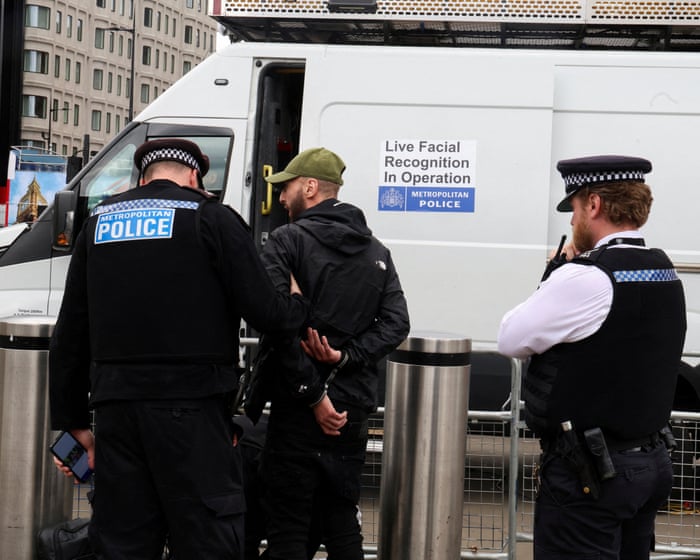
A survey shows that people in Western Europe believe crime is rising in their countries, even though overall crime rates have been falling across the region since the mid-1990s. The YouGov poll, conducted in Britain, Denmark, France, Germany, Italy, and Spain, found that most people trust their national police. Denmark had the highest trust level, with 74% of respondents saying they had a lot or a fair amount of confidence in the police. In Spain, France, Germany, and Italy, between 57% and 64% of respondents felt the same. However, Britain stood out: only 43% said they had a lot or a fair amount of confidence in the police, while 53% had little.
Despite this trust in police, large majorities in most countries said they thought crime was rising at home. This ranged from 53% in Denmark to 66% in the UK, 78% in France, and 80% in Italy. When asked if violent crime was also increasing, the responses were similar: 52% in Denmark and 59% in Britain thought violent crime had gone up a lot or a bit, rising to 76% in Italy and 77% in France.
In reality, although some violent crimes have recently spiked—often linked to drug trafficking in countries like France and Germany—and online fraud has increased almost everywhere, crime rates have generally been falling since 2000. According to Eurostat, Western Europe is much safer today than in the late 1980s and 1990s. Murder rates, considered the most reliable measure because homicides are almost always reported, have dropped sharply since 2000. In countries like France, Germany, Italy, and Spain, murders have fallen by 30% to over 50% since the late 1990s. Italy’s annual murder count dropped from 1,917 in 1991 to 327 in 2024, giving it one of the lowest rates in the EU. France’s murder rate was about 2.3 per 100,000 people in 1995. Even after recent small increases that pushed the annual victim count above 1,000 for the first time in two decades, the per capita rate remains around 1.4 per 100,000.
Experts say France shows why falling crime rates often go unnoticed by the public: a rise in gang-related drug violence and increased reporting of sexual and domestic violence have made headlines, overshadowing the long-term decline. The YouGov survey found that more people in France (44%) than elsewhere believed crime in their country was worse than in other places, compared to only 27% of Germans and 11% of Danes. In contrast, 37% of Danes felt crime was lower in Denmark than in other countries.
When asked about specific types of crime, 60% of British respondents thought the UK had a unique problem with knife crime, compared to 40% of Germans and 24-30% in the other countries surveyed. In France, 42% of respondents felt rioting and public disorder were more problematic than elsewhere. A majority in France (61%) also thought drug trafficking and distribution were worse than in other countries, along with rioting and public disorder (42%, compared to 7-21% elsewhere). Respondents in Spain (56%) and Italy (46%) were especially likely to say corruption was a bigger problem in their countries than elsewhere, while only 7% of Danes felt that way. In Denmark, financial and economic crime was seen as the most common issue.
Italians were the most likely (41%) to think their country—home to groups like the Neapolitan Camorra and the Calabrian ‘Ndrangheta—had a specific problem with organized crime, compared to 16-32% in other nations. Germans, meanwhile, felt drug trafficking and gang-related issues were more prevalent.Violence (23-25%) was less of a problem for them than in other places.
Frequently Asked Questions
Here is a list of FAQs about the disconnect between falling crime rates and public perception in Western Europe
BeginnerLevel Questions
Q I keep hearing that crime is getting worse in Europe Is that true
A No not according to official statistics In most Western European countries overall crime rates have been steadily declining for years However many people feel like crime is increasing
Q Why do people think crime is going up if the numbers say its going down
A There are a few reasons News and social media tend to focus on dramatic rare crimes making them seem common Also people often remember negative experiences more vividly than positive ones
Q Is this just a problem in one country or all of Western Europe
A The poll mentioned in your question covers Western Europe specifically While the exact numbers vary by country the general trendpeople believing crime is rising while official rates fallis common across many nations in the region
Q What kind of crime is actually going down
A Many types of property crime like burglary and car theft have dropped significantly Violent crime rates like homicide and assault have also generally decreased or stayed stable in most countries
Intermediate Advanced Questions
Q If crime is down why does the media make it seem like its up
A This is known as the mean world syndrome Media outlets know that shocking crime stories attract more viewers and clicks than stories about falling crime rates They often report on isolated highprofile incidents which distorts our perception of the overall risk
Q What role does social media play in this false perception
A Social media algorithms amplify emotional and alarming content A neighborhood watch post about a single car breakin can be shared widely making it feel like a widespread problem Algorithms also create echo chambers where you see more of what youre already worried about
Q Are there specific types of crime that are increasing which might explain the fear