The host of the next UN climate summit has said the world should aim to meet one-third of its energy needs from electricity within ten years to cut greenhouse gas emissions. While about a third of global electricity already comes from renewable sources, other energy-heavy sectors—mainly transport, heating, and industry—have fallen behind. As a result, nearly 80% of final energy still comes from fossil fuels.
Murat Kurum, Turkey’s environment minister, who will co-chair the COP31 summit this November with Australia, said electrifying all parts of the economy would help move the world toward a low-carbon future. He called for a target where 35% of final energy demand comes from electricity by 2035, up from about 20% today.
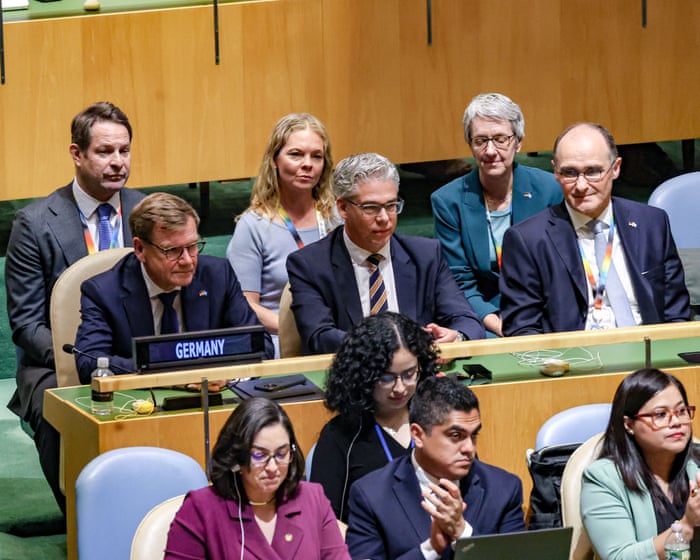
Chris Bowen, Australia’s climate change minister, opened the conference alongside Kurum and UN climate chief Simon Stiell. He said reducing reliance on fossil fuels and investing in clean energy and electrification were solutions to both worsening climate-related natural disasters and what he called “the worst energy crisis in our history.” Bowen told the conference that the focus on electrifying the global economy had “emerged with clarity” in early talks.
“Whether it’s electrifying industry in a major industrial powerhouse like Germany, helping African communities switch to clean cooking, or improving energy security for Pacific nations by replacing diesel with solar power, renewable energy is now the cheapest form of energy available to us,” he said.
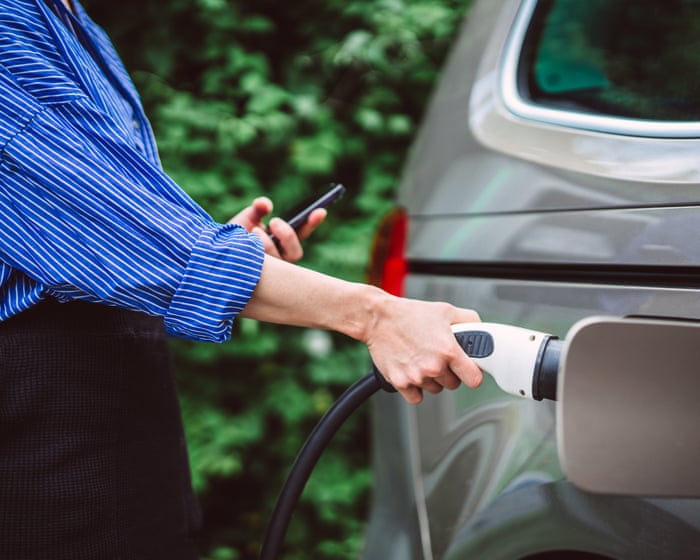
The technology to electrify transport and heating—like electric vehicles and heat pumps—is already well developed, but adoption has been uneven in some areas. Clean technology has dropped sharply in price and now looks more attractive as the world faces its second fossil fuel crisis in five years, driven by the Iran war, which has pushed oil prices above $100 a barrel.
Kurum said: “By electrifying daily life—from transport to buildings and industry—we can protect families and businesses from unstable energy markets. This 35% by 2035 target will be one of the main priorities of our COP31 presidency.”
Governments are meeting this week and next in Bonn, where the UN Framework Convention on Climate Change is based, to discuss priorities for the COP31 conference, which will take place this November in Antalya, Turkey.
Stiell told ministers and high-level officials at the preparatory talks that tackling the climate crisis was “the hardest, but most important, thing humanity has ever tried to do together.” He added: “It’s worth doing because we have no choice. Every economy and every population depends on it.”
Scientists have warned of a possible “super El Niño” this year, a weather pattern that could speed up temperature rises and bring heatwaves, and possibly droughts and floods, to many parts of the world. Deadly heatwaves have already hit Europe and Asia. Stiell said: “We’re seeing the urgent need to speed up climate action now, as deadly heat kills thousands in a single day.”
The right to host this year’s COP summit was fiercely contested between Turkey and Australia, with the unusual decision to grant a joint presidency made last November. Australia will lead the formal negotiations under the Paris Agreement, but the Turkish co-hosts will have a major role in running the event.
Experts have long called for electrifying the economy as the best path to a low-carbon world, but no targets have been set so far. Previous COP meetings have set goals to triple renewable energy and double energy efficiency.
The International Energy Agency will be asked to produce a report showing how the 35% electrification target can be reached by 2035. Kurum also called for faster growth in renewable energy.Global waste should be cut in half by 2035. Turkey is putting waste at the center of its agenda for COP31, even though some activists have concerns. Emine Erdoğan, the wife of Turkish President Recep Tayyip Erdoğan, has been focused on this issue for a long time. She launched a national program in 2017 to reduce waste.
Frequently Asked Questions
Here is a list of FAQs about the COP31 hosts call to Electrify daily life written in a natural tone with clear simple answers
BeginnerLevel Questions
1 What does electrify daily life actually mean
It means switching from things that burn fossil fuels to things that run on electricity Think swapping a gas car for an electric car or a gas stove for an induction cooktop
2 Why is the COP31 host pushing for this
Because electricity can be made from clean renewable sources like solar and wind If we electrify everything we can run our homes and transport on pollutionfree energy which is key to stopping climate change
3 Will electrifying my life save me money
Usually yes Electric cars and heat pumps are much more efficient than gas or petrol versions Over time youll spend less on fuel and maintenance Plus if you have solar panels your fuel is free
4 Whats the first thing I should electrify in my home
A great starting point is your car or your heating and cooling system Replacing a gas furnace with an electric heat pump is one of the biggest money and energy savers
5 Do I need to rip out all my gas appliances at once
Not at all You can do it gradually as your old appliances wear out When your gas stove or water heater breaks replace it with an electric version No rush
Advanced Practical Questions
6 What if I have an old inefficient electrical panel Will it handle all this new stuff
It might need an upgrade Older homes often have 100amp panels but a fully electric home with an EV charger and heat pump may need 200 amps An electrician can check your panel and tell you if an upgrade is needed
7 Is the electrical grid ready for everyone to electrify
Its a challenge but utilities are working on it Theyre adding more renewable energy building smarter grids and offering timeofuse rates to encourage charging at night Grid upgrades are a key part of the plan
8 What about range anxiety with electric cars
Its becoming less of a worry Most new EVs can go 250