Μεταξύ του επανεκκίνησης της αμερικανικής κυβέρνησης με την τακτική της καμένης γης από έναν θαυμαστή των dank memes και της αδιάκοπης ώθησης της ΤΝ από τους φιγούρες που υποστηρίζονται από επενδυτικό κεφάλαιο, το 2025 ένιωσε σαν το απόγειο του εκνευριστικού tech bro. Κατάλληλα, οι ψευδοεπιστήμονες, αυτοσεβαστές ψηφιακοί οραματιστές έγιναν επίσης οι βασικοί κακοί του Χόλιγουντ φέτος, εμφανιζόμενοι σε όλα, από τα blockbuster μέχρι τις σατιρικές κωμωδίες. Σκεφτείτε τους καταπονημένους υπεύθυνους των αντικειμένων που ανατέθηκε να δημιουργήσουν ψεύτικες εξωφύλλους του περιοδικού Forbes που ανακηρύσσουν ακόμη έναν λιγόμειρο λευκό ως «Κύριο του Μετασύμπαντος» ή κάτι παρόμοιο.
Με τέτοια κορεσμό της αγοράς, ο κίνδυνος είναι όλοι αυτοί οι παρανοϊκοί άντρες να συγχωνευθούν σε ένα κολακευτικό χάος. Φαινόταν λογικό να αναμένει κανείς ότι ο Στάνλεϊ Τούτσι ίσως προσέθετε λίγη γεύση στο The Electric State, την πολυτελή εναλλακτική ιστορική ρομποτική φαντασία του Netflix. Ως Ίθαν Σκέιτ — δημιουργός της τεχνολογίας «νευροεκπομπού» που κατέστειλε μια εξέγερση ΤΝ και μετέτρεψε τον γενικό πληθυσμό σε αδιάφορους εθισμένους στην εικονική πραγματικότητα — ο Τούτσι σίγουρα ταίριαζε στην εικόνα: φαλακρός και αλαζονικός σε ρετρό ενδυμασία κακού του Μποντ. Αλλά ακόμα και ο σπουδαίος κατασκευαστής κοκτέιλ δεν μπόρεσε να αποσπάσει πολλά από ξινές υπαρξιακές δηλώσεις όπως, «Ο κόσμος μας είναι μια φωτιά ελαστικού που επιπλέει σε έναν ωκεανό από ούρα».
Υπήρχε περισσότερη φαλάκρα στο Superman, όπου ο Λεξ Λούθορ του Νίκολας Χουλτ ενσάρκωνε το χειρότερο είδος του επιθυμητού αλλαγέα παραδειγμάτων: αυτού που απελπισμένα θέλει να εμφανίζεται σε talk shows. Εξοργισμένος που ο κόσμος φαινόταν να αγνοεί την ιδιοφυΐα του υπέρ ενός ιπτάμενου εξωγήινου καλοποιού, ο ιδρυτής της LuthorCorp ξόδεψε μια περιουσία για να παρακινήσει τα κοινωνικά δίκτυα, αναπτύσσοντας ένα στρατό από κυβερνο-μαϊμούδες που είχαν υποβληθεί σε βιβοτομή για να πλημμυρίσουν τις πλατφόρμες με αντι-Superman hashtags και memes. Το ότι η ίδια η ταινία συναντήθηκε με κατασκευασμένη οργή για αντιληπτή woke νοοτροπία πρόσθεσε μια ανησυχητική αίσθηση ανακλάσεων σε αυτό που ήταν ουσιαστικά μια υπερφορτωμένη ταινία για να ευχαριστήσει το κοινό. Ο Λεξ του Χουλτ ήταν επίσης μια αποσπαστική γοητευτική διευθύντρια ΤΝ, κάτι που έσπρωξε την ταινία περαιτέρω στο βασίλειο της φαντασίας.
Είναι πιο ελκυστικό όταν αυτοί οι αυτοσεβαστοί ηλίθιοι είναι αστείοι; Στον εντεταμένο κόσμο της ταινίας δράσης τρόμου με την δολοφόνο κούκλα M3gan 2.0, ο Τζεμέιν Κλέμεντ ήταν αηδιαστικά υπερβολικά σίγουρος ως Άλτον Άπλετον, ένας υψηλής λειτουργικότητας δισεκατομμυριούχος του οποίου το τελευταίο σχέδιο ήταν να επιβάλει ένα ανεπιθύμητο νευρικό εμφύτευμα στις μάζες. Αποπλανημένος από μια απαθής δολοφόνο fembot, ο Άλτον ταπείνωσε στα τελευταία του λεπτά, με την υπογραφή τεχνολογίας Altwave να παραβιάζεται αβίαστα, το περίεργο προσθετικό six-pack του να ξεκολλάει. Ήταν αξιολύπητο αλλά ανθρωποποιητικό. Καθώς η ταινία προχωρούσε, στην πραγματικότητα άρχισες να τον νοσταλγείς.
Αν ο Κλέμεντ πέτυχε την αφέλεια του tech bro, ο Ντάνι Χιούστον έπρεπε να παραμείνει ανέκφραστος απέναντι στον φλυαρηδόν Φρανκ Ντρέμπιν Τζούνιορ του Λίαμ Νίσον στο επανεκκίνημα του The Naked Gun. Ο Ρίτσαρντ Κέιν του Χιούστον ήταν ένας υβριδικός φιγούρα τύπου Τζεφ Μπέζος/Έλον Μασκ που χρησιμοποίησε τα γαλαξιακά κέρδη από τις αυτοκρατορίες του στο ηλεκτρονικό εμπόριο και τα ηλεκτρικά αυτοκίνητα για να δημιουργήσει μια συσκευή «Πρωταρχικού Νόμου της Σκληρότητας». Το κύριο σχέδιό του ήταν να στείλει ηλεκτροσόκ στο ευρύ κοινό για να επιστρέψει σε μια προϊστορική νοοτροπία, αποδεκατίζοντας βίαια το κοπάδι και εισάγοντας μια νέα εποχή για την ανθρωπότητα (ή τουλάχιστον την τάξη των δισεκατομμυριούχων του). Ο Κέιν είχε εμμονή με τον αριθμό σπερματοζωαρίων των ανδρών, με την κατασκευή πολυτελών καταφυγίων για τους υπερπλούσιους, και με τους Black Eyed Peas. Με άλλα λόγια: πραγματικά ψυχωτικός.
Στον κολλώδη, βρώμικο κόσμο του επανεκκίνηματος του The Toxic Avenger, ο βιοτεχνολογικός κακός Μπομπ Γκάρμπινγκερ του Κέβιν Μπέικον με τα ξεθωριασμένα μαλλιά ξεχώριζε απλώς επειδή φαινόταν τόσο χλωμός και καλομαθημένος. Ενώ δεν είναι καλό σημάδι όταν ένας αυτοαποκαλούμενος γκουρού «υγειονομικού στυλ» μπερδεύει τον Σίσυφο με τη σύφιλη, η συνήθεια του Γκάρμπινγκερ να είναι χωρίς πουκάμισο ενώ προωθούσε «ιδιόκτητες αιχμής βιο-ενισχυτές» σε τηλεοπτικές διαφημίσεις έμοιαζε με μια έγκαιρη σάτιρα των βιοχάκερ που αναζητούν την αθανασία, όπως ο Μπράιαν Τζόνσον.
Το 2022, ο Έβαν Πίτερς έπαιξε τον πρωταγωνιστή στο μακάβριο Monster: The Jeffrey Dahmer του Netflix. Η ιστορία του Ντάχμερ επηρέασε την επιλογή του ως δεύτερης γενιάς nepo baby στο Tron: Ares; Για να είμαστε δίκαιοι, ο χαρακτήρας του Τζούλιαν Ντίλινγκερ — εγγονός του νταή του διοικητικού συμβουλίου του Ντέιβιντ Γουόρνερ από το πρωτότυπο Tron του 1982 — φάνηκε πιο νευρωτικός παρά ψυχωτικός. Είναι ένας μωρόπροσωπος τεχνολογικός πωλητής με φτηνά τατουάζ πλακέτας κυκλωμάτων στα μανίκια, του οποίου η τολμηρή εγχείρηση στην τρισδιάστατη εκτύπωση μοχθηρών νέον πολεμικών μηχανών και ψηφιακών κομάντος διαταράχθηκε ελαφρώς μόνο από το γεγονός ότι αυτά κατέρρευσαν εσωτερικά μέσα σε 30 λεπτά. Ένα απίστευτα ακριβό, εντατικά σε πόρους και ουσιαστικά άχρηστο προϊόν; Είτε σκόπιμο είτε όχι, έμοιαζε με ένα ταιριαστό μεταφορικό για τη φούσκα της ΤΝ.
Αλλά γιατί να σταματήσουμε σε έναν μόνο εκνευριστικό tech bro; Η κοφτερή σάτιρα του Τζέσι Άρμστρονγκ Mountainhead πήρε το τολμηρό βήμα να κάνει κάθε χαρακτήρα το απόλυτο χειρότερο της νοοτροπίας δισεκατομμυριούχου «κινήσου γρήγορα, σπάσε πράγματα», απομονώνοντάς τους — και τον θεατή — σε ένα απομακρυσμένο, αηδιαστικά πολυτελές χιονοδρομικό κέντρο καθώς απειλούσε η πιθανή Αρμαγεδδών. Ως ο Μάσκ-οειδής ιδιοκτήτης μιας εφαρμογής κοινωνικών δικτύων που διαδίδει επικίνδυνη παραπληροφόρηση ενισχυμένη με ΤΝ, ο Κόρι Μάικλ Σμιθ πιάστηκε ο επιπόλαιος, ηθικά αδιάφορος τόνος κάποιου πιο πλούσιου από τον Θεό που βλέπει τον κόσμο ως το παιχνίδι του.
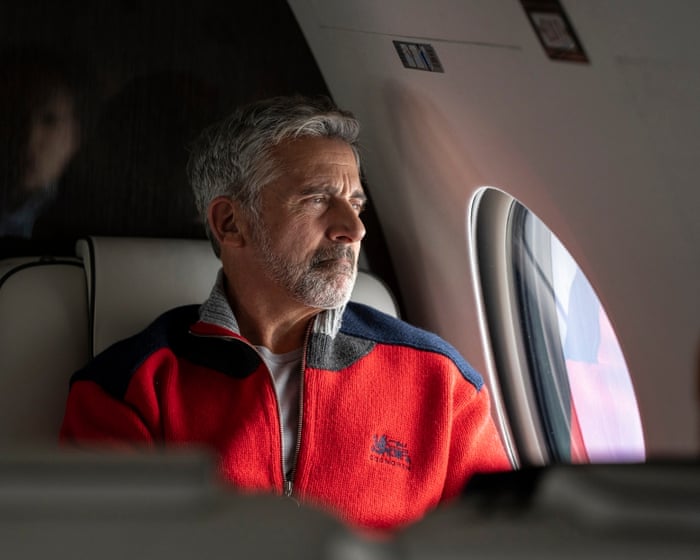
Καθώς ο Βένις (Σμιθ), ο αρχηγός επενδυτής Ράντταλ (Στιβ Κάρελ), ο έξυπνος δαμαστής αλγορίθμων Τζεφ (Ράμι Γιουσέφ) και ο φιλόδοξος μεγιστάνας εφαρμογών ευεξίας Σούπερ (Τζέισον Σβαρτς) τρυπούν αδιάκοπα ο ένας τον άλλον, υπήρχε μια παράνομη συγκίνηση στο να ακούς την εσωτερική καυστική συζήτηση του μαχητικού κουαρτέτου για καύχημα, πρόποση και χλευασμό. Αλλά καθώς ο κόσμος βυθιζόταν περισσότερο στο χάος, το να βλέπεις αυτούς τους τέσσερις αποκαλούμενους ηγέτες σκέψης να επινοούν αδέξια τον καλύτερο τρόπο να εκμεταλλευτούν την κατάσταση ήταν καταθλιπτικό — όχι μόνο επειδή φαινόταν υπερβολικά πιθανό. Όλοι έχουμε αναγκαστεί να απορροφήσουμε τις παθολογίες των τεχνολογικών αφεντικών μας λόγω της δυσανάλογης επιρροής τους στον πραγματικό κόσμο. Καθώς πλησιάζει μια νέα κινηματογραφική χρονιά, είναι πολύ να ζητήσουμε να μην χρειάζεται να συνεχίσουμε να το κάνουμε και στον κινηματογράφο;
Συχνές Ερωτήσεις
Φυσικά. Ακολουθεί μια λίστα με Συχνές Ερωτήσεις σχετικά με την τάση του τεχνολογικού επιχειρηματία «κινήσου γρήγορα, σπάσε πράγματα» ως τον αγαπημένο κακό του Χόλιγουντ το 2025.
Ερωτήσεις Ορισμού για Αρχάριους
1. Τι σημαίνει ακριβώς «κινήσου γρήγορα, σπάσε πράγματα»;
Ήταν ένα διάσημο μότο στη Σίλικον Βάλεϊ, ειδικά στα πρώτα χρόνια του Facebook. Σημαίνει την προτεραιοποίηση της ταχείας καινοτομίας και ανάπτυξης έναντι της προσοχής, ακόμα κι αν αυτό οδηγεί σε λάθη, αναστάτωση ή αρνητικές παρενέργειες για την κοινωνία.
2. Γιατί αυτοί οι ιδρυτές τεχνολογίας είναι ξαφνικά οι βασικοί κακοί στις ταινίες;
Το Χόλιγουντ συχνά αντανακλά πολιτισμικές ανησυχίες. Μέχρι το 2025, οι άνθρωποι έχουν δει πραγματικές συνέπειες της ανοργάνωτης τεχνολογίας: σκάνδαλα απορρήτου δεδομένων, ο αντίκτυπος των κοινωνικών δικτύων στην ψυχική υγεία και η αναστάτωση από την ΤΝ. Αυτοί οι ιδρυτές αντιπροσωπεύουν μια μοντέρνα, σχετική μορφή δύναμης και αλαζονείας.
3. Ποια είναι μερικά παραδείγματα αυτού του κακού σε πρόσφατες ταινίες ή σειρές;
Σκεφτείτε χαρακτήρες που είναι χαρισματικοί ιδιοφυείς ιδρυτές μιας εφαρμογής ή εταιρείας που αλλάζει τον κόσμο, των οποίων η επιδίωξη ενός μεγάλου οράματος τους οδηγεί να αγνοούν την ηθική, να χειραγωγούν ανθρώπους ή να αποσταθεροποιούν την κοινωνία. Ενώ συγκεκριμένοι τίτλοι του 2025 είναι φανταστικοί, πρόσφατοι παράλληλοι περιλαμβάνουν χαρακτήρες στο The Social Network, Devs, Black Mirror και Upload.
4. Πώς διαφέρει αυτό από τον παλιό κακό της κακής εταιρείας;
Ο παλιός κακός ήταν συχνά μια άπληστη, ανώνυμη εταιρική συγκυριαρχία. Ο νέος τεχνολογικός κακός είναι ο ιδρυτής — μια προσωπικά οδηγούμενη μεσσιανική φιγούρα που πιστεύει ότι κάνει τον κόσμο καλύτερο. Ο κίνδυνος δεν είναι μόνο η απληστία, αλλά ένα επικίνδυνο ιδεαλισμό και η πεποίθηση ότι είναι πάνω από τους κανόνες.
Ερωτήσεις Πολιτισμικής Επίδρασης για Προχωρημένους
5. Είναι αυτή η τάση δίκαιη για τους πραγματικούς τεχνολογικούς επιχειρηματίες;
Είναι μια δραματοποίηση. Ενώ οι περισσότεροι επιχειρηματίες δεν γίνονται κακοί,