Ed Miliband has pushed back against warnings from the UK’s chief rabbi that the government’s sanctions on illegal Israeli settlements will make British Jews less safe. He stressed that ministers can challenge the actions of Benjamin Netanyahu’s government while also fighting antisemitism.
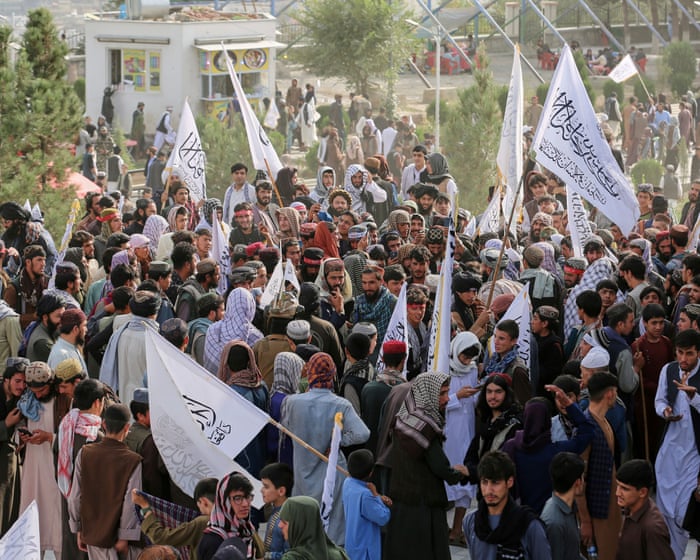
On Tuesday, the foreign secretary announced sweeping sanctions on trade with Israeli settlements in the West Bank, with the government taking the stance that Israel’s occupation of Palestinian territory is unlawful.
The measures were coordinated with France, Canada, and nine other countries that were also introducing sanctions on Israel over the growing expansion of settlements, which the UK government says is threatening the future of a Palestinian state.
In a joint statement, leaders including Andy Burnham, Emmanuel Macron, and Mark Carney said: “The time has come to take further action to uphold our commitment to protect the two-state solution, our interests, and to stand up for our values, before it is too late.”
The chief rabbi, Sir Ephraim Mirvis, called the UK sanctions a “dark day for British Jews” and said they could embolden people who “use hatred as a weapon against Jews.”
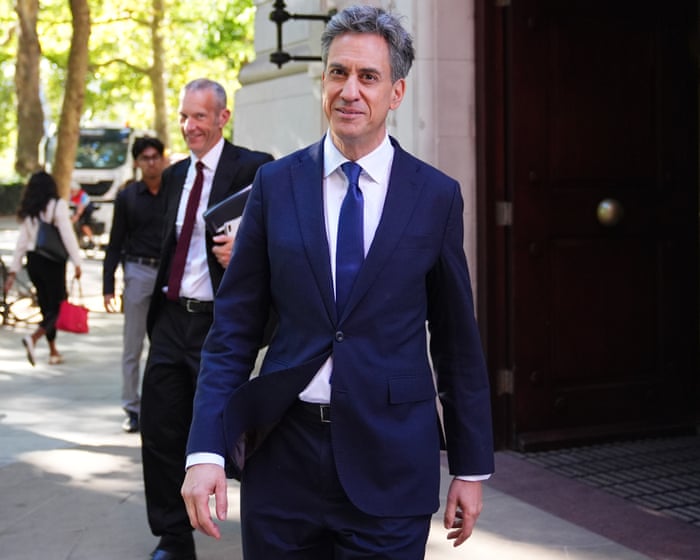
Miliband, who describes himself as a “proud British Jew,” said he did not agree with Mirvis. When asked on BBC Radio 4’s Today programme whether he was saying the chief rabbi was wrong, Miliband replied: “Yes, I am saying I don’t agree with the chief rabbi, somebody for whom I have great respect.”
He added: “I just want to be very, very clear. As I said in my statement yesterday, anyone who holds British Jews, or indeed Jews around the world, responsible for the actions of the Israeli government is engaging in antisemitism, pure and simple.
“And it must be possible to stand up in our society for British values of freedom, dignity, and against oppression and injustice, and do so, as I believe I did yesterday, in a way that calls out antisemitism.”
The foreign secretary was pressed on the chief rabbi’s fear that British Jews could feel less safe as a result of the sanctions. He was also challenged by BBC presenter Justin Webb, who suggested Mirvis’s claim might mean less to Miliband because he does not attend synagogue.
“No, I don’t agree with that,” said Miliband, adding: “Antisemitism is a scourge and an evil… I want Jews, I want people of all faiths and none to feel safe in our country.”
Tuesday’s sanctions announcement also drew a swift backlash from Israel, which ordered the closure of the British consulate in Jerusalem and banned 12 British MPs and activists from entering Israel.
Washington’s ambassador to Israel, Mike Huckabee, threatened that the US could take retaliatory action over trade. However, US Secretary of State Marco Rubio said the US would “obviously” not follow the UK government’s actions but did not want to see the West Bank destabilised.
Miliband told Sky News he would “let our American friends speak for themselves” but insisted the international community had been “quite frustrated, to put it mildly, with some of the actions of the Israeli government.”
The foreign secretary said he regretted what the Israeli government had announced but was “proud of what we did yesterday, and it was the right thing to do.”
Miliband accepted that the closure of the British consulate in Jerusalem would be “damaging” but said the government had “weighed up the costs and benefits in advance.”
The government is set to enact:
– An import ban on goods from illegal settlements in the occupied territories, along with a new ban on arms licences and other exports that “materially contribute to the occupation.”
– A comprehensive sanctions regime against providing services such as construction or fiFunding for Israeli settlements will be stopped, and advertising them in the UK will be banned.
Personal sanctions will be imposed on the main individuals accused of encouraging settler violence.
A new ban will be introduced on arms licenses and other exports that “materially contribute to the occupation.”
Miliband made an impassioned statement in the Commons on Tuesday, sharing the horrific stories he had heard from Palestinians in the West Bank, whose homes had been destroyed, and from doctors in Gaza who saw children die while waiting for treatment.
Prime Minister Andy Burnham said the sanctions were “the right thing to do” and stressed they were aimed “not at the Israeli people.” Burnham is set to face MPs on this issue during Prime Minister’s Questions.
Frequently Asked Questions
Here is a list of FAQs regarding Ed Milibands response to the Chief Rabbis comments on West Bank sanctions
General Context Questions
1 What exactly happened between Miliband and the Chief Rabbi
Ed Miliband publicly dismissed a warning made by Chief Rabbi Sir Ephraim Mirvis The Chief Rabbi had suggested that imposing sanctions on the West Bank would endanger Jewish people in the UK Miliband argued that the Rabbis link between the two was unfounded and harmful
2 Why is the Chief Rabbi talking about the West Bank
The Chief Rabbi was responding to proposals to impose economic sanctions or trade restrictions on Israeli settlements in the West Bank due to their status under international law and the ongoing conflict
3 What did the Chief Rabbi actually say
He suggested that actions like sanctions against Israel would be perceived as delegitimizing the Jewish state He argued this would fuel antisemitism and put British Jews at greater risk of being targeted in the UK
4 What was Milibands specific argument against the Rabbi
Miliband argued that the Rabbi was conflating the actions of the Israeli government with the safety of Jewish people in the UK He said it was wrong to suggest that criticizing Israeli policy automatically leads to or excuses antisemitism and that this kind of argument silences legitimate political debate
5 Is this a major political row
Yes it has caused significant tension within the UK It highlights a deep divide between the Labour partys stance on the Middle East and the concerns of the Jewish community and the Board of Deputies who often support the Chief Rabbis position
Policy Definition Questions
6 What does sanctions on the West Bank actually mean
It generally refers to economic or diplomatic penalties aimed at Israeli settlements built in the West Bank This could include banning imports of goods produced in those settlements or banning UK businesses from operating there
7 Why are people calling for sanctions on the West Bank specifically
Many international bodies and human rights groups view the settlements as illegal under international law Proponents of sanctions argue that they are a nonviolent way to pressure Israel to stop expanding settlements which they see as an