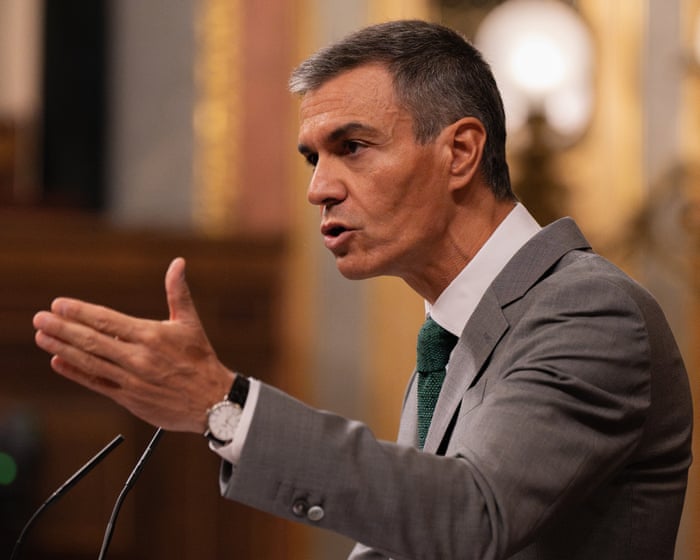
Waziri Mkuu wa Uhispania, Pedro Sánchez, ameiambia bunge kwamba hakuna ushahidi "wa aina yoyote" kwamba Morocco ilipanga au kusaidia kuandaa uvukaji mkubwa wa mpaka hadi Ceuta, eneo la Uhispania barani Afrika.
Kauli yake ya Alhamisi ilikuja baada ya ripoti ya polisi, iliyoamriwa na jaji na kunukuliwa sana na vyombo vya habari, kudai kwamba vikosi vya mpaka vya Morocco vilisaidia kikamilifu takriban watu 70,000 kuvuka mpaka mwishoni mwa Julai.
"Nawahakikishia kwamba hakuna taasisi – wala huduma ya kidiplomasia, wala Tume ya Ulaya, wala shirika lolote la kimataifa – ambalo limetoa kwa serikali ya Uhispania ushahidi wowote thabiti kwamba Morocco ilipanga au kutekeleza tukio hilo. Hakuna hata kidogo," Sánchez aliiambia bunge.
Akizungumza asubuhi iliyofuata baada ya takriban watu 50,000 kuandamana Madrid kupinga jinsi alivyoshughulikia mzozo wa Ceuta, waziri mkuu huyo wa kisoshalisti pia alikanusha kwamba serikali ilipokea onyo lolote kuhusu uvunjaji huo mkubwa. Alisema hakuna ripoti kwa mamlaka zilizotabiri "ukubwa au uwezekano wa kile kilichotokea hatimaye."
Sánchez amemlinda Morocco mara kwa mara wakati wa mzozo huo, akisisitiza ushirikiano wa Rabat katika kurejesha wahamiaji wengi katika siku zilizofuata wimbi hilo.
Lakini Alhamisi, alisema Uhispania ilimwita balozi wa Morocco Agosti 21 kwa sababu ya "kauli zisizokubalika" zilizotolewa na mawaziri wawili kuhusu Ceuta na Melilla, eneo lingine la Uhispania barani Afrika. Mwezi uliopita, waziri wa haki wa Morocco, Abdellatif Ouahbi, alirudia hadharani madai ya Rabat ya uhuru wa eneo juu ya miji hiyo.
Sánchez alisema "kwa sasa" ameondoa uwezekano wa kuhusika kwa serikali ya Morocco lakini alikiri kwamba vikosi vya Morocco viliruhusu uvukaji kutokea wakati wa kipindi muhimu cha saa 10 mnamo Julai 30.
Wengi wa wale waliovuka walisema katika mahojiano kwamba walihimizwa kikamilifu kufanya hivyo. Maafisa wa Morocco wamekana kuwezesha uvukaji huo.
Alberto Núñez Feijóo, kiongozi wa chama cha kihafidhina cha People's party, alimtaka Sánchez ajiuzulu kwa "kutokuwa na uwezo na kushiriki kwake katika jambo hilo."
Kwa kujibu hatua ya Sánchez ya kumwita balozi wa Morocco kujadili mzozo huo, Santiago Abascal, kiongozi wa chama cha mrengo wa kulia cha Vox, alisema: "Morocco haihitaji balozi nchini Uhispania – wewe ndiwe balozi wake."
Inaaminika kuwa watu wengi kama 141 walifariki wakijaribu kuingia Ceuta mwishoni mwa Julai. Wimbi hilo lilisababisha mzozo wa kisiasa, dharura ya kibinadamu, na kuwasha tena mvutano ndani ya EU kuhusu uhamiaji.
Alhamisi, Sánchez alitoa wito wa mshikamano wa Ulaya kuhusu mzozo huo. Hakutaja nchi zozote moja kwa moja, lakini katika maoni makali yaliyoelekezwa dhahiri kwa Italia na Denmark – nchi mbili ambazo zilikuwa zimeongoza ukosoaji wa hadharani dhidi ya Uhispania – alisema kanuni ya mshikamano inapaswa kutumika kwa Ceuta kama inavyotumika kwa Greenland na Lampedusa.
Ingawa 90% ya watu walikuwa wamerudi Morocco ndani ya saa 24, maelfu kadhaa, wakiwemo angalau watoto 500, wanaaminika kubaki, wakiishi mitaani au katika makao ya muda.
Huku kukiwa na wito kutoka Vox wa kuwarudisha Morocco, Sánchez aliikumbusha bunge kwamba chini ya sheria za Uhispania, Ulaya, na kimataifa, wahamiaji wana haki ya kutendewa kama watu binafsi. "Huwezi kumshika mtu kwa mkono na kumburuta kuvuka mpaka kana kwamba ni gunia la uchafu," aliwaambia wabunge.
Akirejelea mamia ya watoto maskini, Aina Vidal wa kundi la mrengo wa kushoto la Sumar alisema: "Ni watoto, si wavamizi, si askari. Hawakuja wakiwa na mabomu, walifika wakiwa na vifaa vya kuogelea, wakilia."Walihatarisha maisha yao kufika Uhispania.
Soma zaidi
Inaonekana kuna uwezekano kwamba serikali itawekeza katika vituo Ceuta kuwahifadhi wahamiaji waliosalia, badala ya kukabiliana na athari za kisiasa nchini Uhispania na kote Ulaya ambazo zingetokana na kuwahamisha hadi bara.
Pia kuna dalili kwamba baadhi ya wahamiaji tayari wameanza kurudi Morocco, wakichochewa na njaa na uadui wa wakazi wengi.
Hata hivyo, kama Sánchez alivyoiambia bunge, mapato ya kila mtu Ceuta ni mara nane ya yale ya Morocco, na "hata tukijenga ukuta wa mita 100 juu, bado kutakuwa na watu walio tayari kujitupa baharini kuvuka."
"Hatutaacha kufanya kazi mpaka Ceuta itoke katika hali hii ngumu ikiwa na nguvu zaidi, yenye mafanikio zaidi, na iliyounganishwa zaidi na Uhispania yote na EU," aliongeza.
Ripoti ya ziada na Jakub Krupa
Maswali Yanayoulizwa Mara kwa Mara
Hapa kuna orodha ya maswali yanayoulizwa mara kwa mara kulingana na taarifa ya Waziri Mkuu wa Uhispania kuhusu uvunjaji wa mpaka wa Ceuta
Maswali ya Jumla ya Usuli
1 Ni nini hasa kilichotokea Ceuta
Katikati ya Mei 2021 maelfu ya watu walivuka mpaka hadi eneo la Uhispania la Ceuta kutoka Morocco. Wengi waliogelea kuzunguka vizuizi vya maji au kupanda ukuta wa mpaka. Ilikuwa wimbi la ghafla na kubwa ambalo liliwalemea mamlaka za Uhispania.
2 Ceuta iko wapi na kwa nini ni eneo nyeti
Ceuta ni mji mdogo wa Uhispania ulio kwenye pwani ya kaskazini mwa Afrika, unaopakana moja kwa moja na Morocco. Unawakilisha mpaka pekee wa nchi kavu wa Umoja wa Ulaya na Afrika. Kwa sababu hii, ni eneo kuu la mvutano wa uhamiaji na kidiplomasia kati ya Uhispania na Morocco.
3 Waziri Mkuu wa Uhispania alisema nini hasa
Waziri Mkuu Pedro Sánchez alisema kwamba hakuna ushahidi "wa aina yoyote" kwamba serikali ya Morocco ilipanga au kupanga kwa makusudi uvukaji huo mkubwa. Alidokeza kwamba tukio hilo lilitokana na kuvunjika kwa udhibiti wa mpaka na mzozo wa kidiplomasia badala ya hatua iliyoratibiwa na serikali.
4 Kwa nini watu wangefikiri Morocco iko nyuma ya jambo hilo
Morocco hapo awali imetumia uhamiaji kama chombo cha kisiasa kushinikiza Uhispania. Siku chache kabla ya uvukaji huo, Uhispania ilimruhusu kiongozi wa Polisario Front kutibiwa katika hospitali ya Uhispania. Waangalizi wengi waliamini Morocco ililegeza udhibiti wa mpaka kama kulipiza kisasi kwa kukwepa huko kwa kidiplomasia.
5 Ikiwa Waziri Mkuu anasema hakuna ushahidi, je hiyo inamaanisha Morocco haina hatia
Si lazima. Kauli ya Waziri Mkuu ni ya kisiasa. Anasema kwamba kulingana na akili na taarifa za sasa hakuna uthibitisho wa amri ya moja kwa moja kutoka kwa mamlaka za Morocco. Hata hivyo, wakosoaji wanasema ukosefu wa ushahidi haumaanishi haikutokea, na kwamba kutochukua hatua kwa makusudi kwa Morocco kulikuwa na athari sawa na amri ya moja kwa moja.
Maswali kuhusu Kauli ya Waziri Mkuu – Siasa
6 Kwa nini Waziri Mkuu wa Uhispania anasema hivi ikiwa inaonekana mbaya kwa Uhispania
Sánchez pengine anajaribu kupunguza mzozo mkubwa wa kidiplomasia. Uhispania inategemea Morocco kwa akili za kupambana na ugaidi na udhibiti wa mpaka. Kwa kukubali hadharani kukana kwa Morocco, anajaribu kurekebisha uhusiano na kumfanya Morocco kukaza tena usalama wa mpaka badala ya kujihusisha na mchezo wa kulaumiana hadharani ambao