Three years ago, on a Friday evening in early August, Jane Ouartsi was walking across a pedestrian square in central London. She linked arms with her partner, Dave Mathias, and told him how much she’d enjoyed their afternoon together—eating pizza in Soho and visiting an art installation. It was the last time she remembers feeling truly happy and relaxed.
“We were walking slowly, talking about the art. I can’t recall exactly, but I think I was saying what a lovely lunch we’d had, and then suddenly there was a terrible impact,” she says. “I felt my spine and body split, and I thought my life was over.”
Ouartsi, who is in her late 60s, can’t bear to watch the CCTV footage of the Lime bike accident that left her so badly injured. She spent 36 days in hospital and 18 months learning to walk again. Mathias flinches every time he sees it—watching a young rider, maybe around 10 years old, speed across the empty square from left to right and knock Ouartsi over. Over the past three years, he’s studied the footage repeatedly, trying and failing to get Lime, the bike rental company, to acknowledge how the incident changed their lives.
Last week, the clip of the collision went viral. It turned out that Lime hasn’t paid the couple any compensation and hasn’t responded to their calls for action to stop underage cyclists from using the electric bikes illegally—ignoring traffic rules, riding on pavements, and jumping red lights.
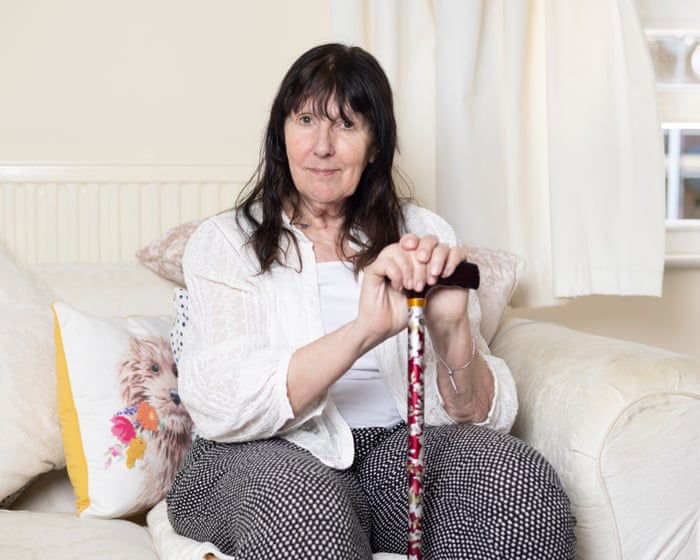
“It’s become like the Wild West,” Ouartsi says, sitting on a pile of cushions in her west London flat, arranged for maximum comfort due to the ongoing stiffness and pain from the accident. She suffered a fractured collarbone, two spinal fractures, and a badly broken femur that needed three operations. She says the medical staff at the central London hospital where she was treated had never seen such severe injuries before, but were getting used to treating patients hurt in e-bike accidents. “They said it was happening more every week, that it was draining their time fixing people’s arms and legs when they could be doing other work.”
The footage has drawn attention because it reflects the mixed feelings people have about the growing number of Lime bikes in London. While many welcome alternatives to cars, there’s also concern that some bikes are ridden and parked irresponsibly.
Ouartsi, a retired Marks & Spencer shop worker, says she’s become a different person since the accident. When she left the hospital, ambulance staff had to carry her up to her first-floor flat. For a year, she couldn’t walk upstairs to her bedroom or bathroom—she had a single bed and a commode set up in the living room. “I almost forgot what it looked like upstairs,” she says. She spent weeks practicing walking up steps, and Mathias, a joiner, took extended time off work to help her recover. He installed grab handles around the flat so she could pull herself up to stand. It took months before she felt confident enough to take a bus. She still uses a walking stick, and the couple, who loved traveling to Scotland, don’t plan to make that trip again.
“I’m made up of nuts, bolts, and screws. I had to learn to walk again like a baby,” Ouartsi says, as Mathias pulls out an A4 file of X-rays showing doctors’ attempts to fix her complicated femur break. The titanium rod in her leg bent and failed, so it had to be replaced. “I’m very scared of falling. I don’t want to go back to hospital again. It’s been a horrible time.”Ouartsi wants the company to rethink the weight and speed of the bikes, and to impose strict penalties on people who ride irresponsibly. “I honestly don’t know how I survived. I was like a broken china doll – it’s amazing the doctors managed to put me back together.”
View image in fullscreen
‘I’m made up of nuts and bolts and screws’ … Ouartsi in hospital. Photograph: Supplied image
In theory, Ouartsi and Mathias support the idea that cities should have more bikes and fewer cars. A few years ago, Ouartsi enjoyed renting Santander Cycles – the non-electric ones – and riding around Hyde Park with her grandson. But their experience has made them feel strongly that Lime and other e-bike companies need to take stronger action to keep both pedestrians and riders safe. They support making life easier for cyclists, but not at the expense of people who prefer to walk.
“People need to use them sensibly, and on the road. I’d also prefer they weren’t electric, so people could get more exercise,” says Mathias. “People speed on the pavements because it’s dangerous on the roads,” Ouartsi adds.
Mathias still doesn’t understand why Lime hasn’t done more to stop children from riding e-bikes. In the seconds after the crash, he shouted at the child, who went and sat alone on a nearby bench and cried. He tried to take a photo of the boy, but a woman – who he believes was the boy’s mother – arrived a bit later and stopped him. By the time paramedics were putting Ouartsi into the ambulance, the pair had disappeared before the police could speak to them or get their names.
“Neither of us wants to prosecute a 10-year-old or his mother, but we needed a name for the insurance claim with Lime,” says Mathias. Without a name, getting any compensation has been very difficult. The police closed the case, and an attempt to work with solicitors on a no-win, no-fee basis fell through because, as the lawyer told Mathias in an email, the rider hadn’t been identified, so no claim could be made.
In October 2024, Mathias attended a busy meeting at Kensington town hall, where representatives from Lime and other e-bike companies like Forest were there to hear residents’ complaints about the growing number of poorly parked rental bikes. Charities representing blind people and those with limited mobility have explained how chaotic parking has made it harder to get around parts of London, especially where rules for returning e-bikes are looser. Mathias took the chance to publicly tell Lime about his partner’s injuries. “Mostly it was elderly people there complaining about bikes scattered all over the pavement,” he says. “When I stood up and said my piece, people gasped.” Two Lime representatives came to talk to him afterwards and offered to help.
View image in fullscreen
‘I had to learn to walk again like a baby.’ Photograph: Supplied image
“We were really sorry to hear about your experience, and we want to do everything we can to support you,” a senior public affairs manager emailed him the next day. Another email from Lime promised: “We are dedicated to making sure your concerns are properly addressed.” But somehow, that help never came. A message sent through the Lime Claims Management System in January of this year offered “deepest regrets regarding what your wife Jane and yourself have been through as a result of this incident,” but said the company had again checked its records and couldn’t find any details about who rented the bike or who the rider was.
“This vehicle was not being used as part of an active ride. Since the rider was using the vehicle illegally, we have no record of the trip and no information about the rider,” the message noted. “Without any further details about the user’s identity, we are unable to provide any further support regarding the incident.”At one point, Lime told Mathias they were willing to make a financial gesture without admitting liability, but this offer never came through.
Robert Goodsell also had trouble getting compensation for his wife, Helen, 79, after she was hit by an underage rider on the pavement in north London in 2024. She was stepping out from her front garden onto the street when it happened. The doorbell camera footage of the crash shows how fast the impact was.
Her injuries were minor, but she still feels anxious when she sees Lime bikes on the road. When Robert tried to file an insurance claim for her, he found out that Lime’s insurers couldn’t settle because the rider was underage—this was excluded under the insurance policy. Later, Lime offered a small ex-gratia payment without admitting fault.
He suggested that safety rules should be printed on the bikes, like not riding on pavements or going through red lights. Lime showed polite interest in the idea but never put it into action.
“People gasped,” says Ouartsi’s partner, Dave Mathias, who has spent three years trying to get Lime to acknowledge how the incident changed their lives. “The questions I want to ask Lime are: why won’t they put basic safe riding rules clearly on their bikes? Why don’t they put visible numbers on the bikes so people can report bad behavior?” He also thinks it would help if the company could limit the bike’s speed in pedestrian areas.
Sam Collard, a solicitor and head of cycling accident claims at Osbornes law, says that for the past 18 months, his firm has been getting about 10 inquiries a month. Most involve Lime bikes, though some people want to claim against other e-bike providers. The claims fall into three groups: pedestrians hurt by cyclists, riders injured by faulty bikes, and riders with fractures from the bike’s weight falling on them—a problem called “Lime bike leg.” “It ranges from cuts and scrapes to more serious issues like brain injury or fractured skull. We’re settling several cases now, with payments between £20,000 and £100,000.”
Collard noted that it’s harder to get an insurance payout when the rider’s identity is unknown. “But morally, they have questions to answer about how a 10-year-old ended up riding their bike,” he says.
Doorbell footage shows Helen Goodsell being hit by an underage rider.
A private briefing for Transport for London’s safety panel, seen by the Evening Standard, showed that hire bikes—like the battery-powered ones from Lime, Forest, and Voi—made up 32% of cyclist-versus-pedestrian crashes attended by police in London in 2024, up from 3% in 2017. TfL figures also show an 8% rise in serious injuries to cyclists in 2024 (the latest data available), but note that this is far outweighed by a 39% increase in cycling trips since a 2010-14 baseline, suggesting serious injuries per trip have gone down.
A spokesperson for Lime said: “Our thoughts are with Jane and her family, and we are sorry for the distress this incident has caused. We take incidents like this very seriously. This situation has been carefully reviewed and handled according to our policies. We are also sorry to hear about Helen’s incident. Safety guides everything we do—from how we design and maintain our vehicles, to rider education, and how we work with cities.”
Whose Lime is it anyway? How the green e-bikes took over our streets. Read more.
The company said the bike involved in Ouartsi’s accidentThe bike was stolen and ridden illegally, not rented. Lime added that more than 99.99% of its trips in London last year ended without any reported incidents. Earlier this year, Lime launched a redesigned, smaller rental e-bike with the battery moved toward the back. They rolled out 1,500 new bikes, adding to the fleet of up to 50,000 dockless e-bikes they already operate in the capital.
Lime fines riders who end their trips in unauthorized places, with fines ranging from £2 to £20, and repeat offenders can be banned. The company also slows bikes down when they enter “go slow” zones, like Regent’s Park or Hyde Park in London.
Mathias wants to stay positive about these improvements, but he’s frustrated that the serious impact of the accident on their lives hasn’t been acknowledged. “The psychological impact of what happened is far-reaching,” he says. “Jane and I had hopes and dreams for retirement and our future together, and those have been ruined.”
Do you have an opinion on the issues raised in this article? If you’d like to submit a response of up to 300 words by email for possible publication in our letters section, please click here.
Frequently Asked Questions
Here is a list of FAQs based on the incident described written in a natural conversational tone
General Background
Q What exactly happened to the woman hit by the child on a Lime bike
A A woman was walking down the street when a child riding a Lime ebike hit her from behind The impact was so severe she says she felt her spine and body split She suffered serious injuries
Q Why was she denied compensation
A The company that owns Lime bikes argued that the rider was a child and under their terms of service the child was not authorized to be riding Because the rider broke the rules the company claimed they werent liable for the accident
Q Who is actually responsible for the accident
A Legally the responsibility usually falls on the rider and potentially their parents or guardians The debate is whether the company has any responsibility for not preventing an underage person from renting the bike
Legal Compensation
Q Can a company really get away with not paying if a child uses their product illegally
A Its a complex legal argument Companies often try to use their terms of service as a shield However many lawyers argue that if the companys app or bike design makes it too easy for underage users to rent they can still be held partly liable for negligence
Q What does negligence mean in this case
A Negligence means failing to take reasonable care to prevent harm In this case it could mean Lime didnt do enough to verify the riders age or that the bike was safe to operate which led to the woman getting hurt
Q Could the woman sue the childs parents instead of Lime
A Yes absolutely In many places parents can be held financially responsible for damages caused by their minor children especially if they knew the child was riding without permission or didnt supervise them properly
Q What if the child didnt have insurance Does that affect the victim
A Yes its a huge problem If the child and their family have no assets or insurance the victim may have no way to collect compensation from them This is why going after the company is often the only realistic path to getting paid
Practical Tips