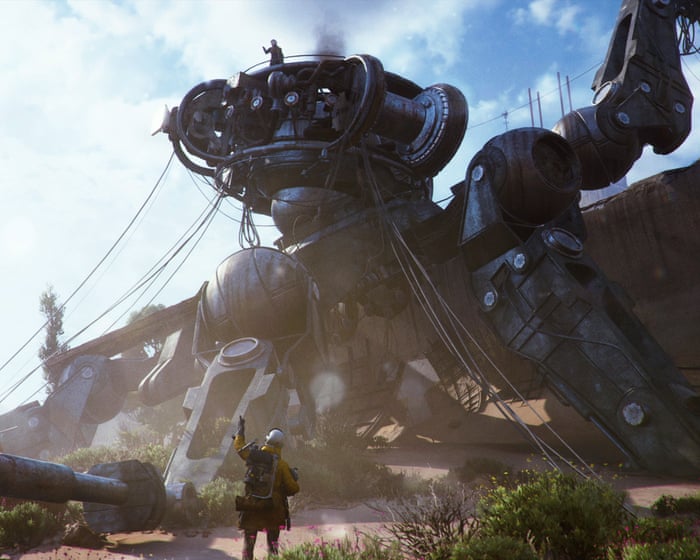
Видеоиграта Arc Raiders се развива в смъртоносно апокалиптично бъдеще, където оцелелите са принудени да живеят дълбоко под земята в колонии, докато мистериозни, убийствени AI машини, наречени Arcs, патрулират повърхността. Останали са само пустеещите руини на някогашни градове, а безразсъдни човешки "рейнджъри" се отправят нагоре по опасни мисии за търсене на ресурси.
Въпреки заплахата от тези въоръжени роботи, най-смъртоносната опасност в тази изключително популярна игра – пусната в края на миналата година с над 14 милиона продадени копия – често са самите играчи. Рейнджърите живеят с постоянния страх някой да ги застреля при среща и да отмъкне плячката им. В този конкурентен свят с висок залог, безмилостността се възнаграждава.
Затова за разработчиците на играта от шведското Embark Studios беше изненада, че много играчи изобщо не се стрелят помежду си. "Закраде ни се малко", казва изпълнителният продуцент Александър Грьондал, отбелязвайки, че мнозина играят "по-мирен вариант на играта, отколкото очаквахме". Той бързо добавя: "Приятно изненадани, за да е ясно".
Непреднамерено играта се превърна в един вид социален и психологичен експеримент, поставяйки въпроси относно дизайна на игрите – и човешката природа – които заинтригуват социолози, психолози и криминолози. Приблизително един от всеки пет играчи никога не е елиминирал друг рейнджър, а половината са елиминирали по-малко от десет.
В повечето шутъри, от Fortnite до Counter-Strike, убиването на други играчи е целта и начинът за печелене на точки. (Много от разработчиците на Embark имат опит с бързи шутъри като Battlefield и Call of Duty.) Arc Raiders е част от печално известен безпощаден поджанр: екстракционният шутър, където играчите се състезават помежду си и с обкръжението, надпреварвайки се с времето, за да избягат живи от всеки рунд със събраната си плячка. Сесиите са интензивни, с геймплей с висок риск и висока награда, където смъртта често идва в последния момент – точно когато сте в засада от друг играч, който иска да отмъкне вашата трудно спечелена плячка. Така че защо играчите на Arc Raiders не се държат толкова безмилостно, колкото светът изисква?
Грьондал казва, че екипът е знаел, че има място за известно сътрудничество. "Винаги сме искали това да е така, но беше малко изненадващо да видим колко много хора се захапаха за този аспект на играта... Това един вид разтвори целия екстракционен шутър, защото не е задължително винаги да става въпрос за конфликт с други играчи."
Какво правят хората вместо да се стрелят в този опустошен свят? Много се обединяват, за да победят роботите-чудовища, които варират от летящи дронове до сферични огнестрелни оръжия. Други се опитват тихо да се промъкнат покрай тях, за да съберат редки ресурси. Грьондал казва, че играчите също така организират спонтанни рейв партита, пускайки музика през микрофоните си.
Но често играчите просто разговарят. YouTube видеото **The Humans of Arc Raiders**, вдъхновено от фотографа, който интервюира непознати в Ню Йорк, представя разговори със случайно срещнати играчи. Те обсъждат семейни проблеми, работен живот, депресия, аутизъм и в един случай – срутени бели дробове. В един разговор, силно въоръжен играч със зелена броня на име Пупи откровено пита друг рейнджър: "Какво е да имаш деца, пич?"
Когато за първи път се впуснах в Arc Raiders, открих контраст на повърхността, където птичките чуруликат и растенията процъфтяват сред развалините на свалени машини. Колкото повече се скитах из тази ретрофутуристична обстановка в стил 70-те, толкова повече срещах други хора, много от които предлагаха помощ – като медицински материали. Преди всичко, ние просто се промъквахме заедно. Борихме се с роботи заедно. Беше напрегнато понякога, понякога страшно, но често и релаксиращо.
В една сесия срещнах друг играч с британски акцент, който също беше нов в играта. "Убивал ли те е някой друг играч досега?" попита ме, докато изследвахме разрушен комплекс от бетонни язовири. "Защото всеки, когото срещнах, беше дружелюбен", добави той. "Никой не се убива."
Сигурно бях свикнал с липсата на насилие между хора, защото първият път, когато бях елиминиран от друг човек, почувствах искрена обида. Бях увлечен в топло чувство на другарство и беше трудно да не се разстроя – сякаш нападателят ми беше нарушил неписано правило, че всички трябва да си помагаме.
Това всъщност беше първоначалната визия за играта, която Embark се надяваха да създадат: обща битка срещу машини, където играчите физически не могат да наранят един друг. Но късно в разработката се притесниха, че може да стане скучна, затова добавиха непредвидими срещи с хора, за да повишат напрежението.
Интересното е, че Arc Raiders предлага много говорна комуникация, като играчите използват микрофоните си повече, отколкото в много други игри. Можете да чуете всеки наблизо, което ви позволява да извикате "Приятелски настроен съм!" или "Мир! Мир!". Над 95% от играчите използват този чат в близост, според Грьондал.
Много играчи все още стрелят при среща, но те са в малцинство. Embark съобщиха на Guardian, че около 30% от играчите се фокусират предимно върху сътрудничество, други 30% предпочитат битки играч срещу играч, а останалите 40% се наслаждават на смесица. Играчите, които играят сами, са склонни да бъдат по-дружелюбни, докато тези в отряди от трима често се интересуват повече от престрелки.
Шон Хенсли, графичен художник от Тенеси, който прави YouTube видеа за психичното здраве и игрите, се заинтересува от Arc Raiders. Той смята, че играчите ценят "връзката над конкуренцията". "Това, което играчите получават от тези приятелски взаимодействия, е по-възнаграждаващо от всяка система за плячка или екран за победа в игра", каза той в скорошно видео.
Най-силният катализатор за сътрудничество обаче може да е обща заплаха. Когато Embark въведоха огромен вървящ механичен враг, наречен Матриархът, Грьондал очакваше вражеските отряди да чакат другите да изразходват мунициите си, преди да атакуват, за да откраднат плячката. Вместо това играчите използваха чата в близост, за да се обединят. "Моментално – буквално за по-малко от 30 секунди – всеки на този сървър спря да се стреля и застана срещу по-голямото предизвикателство заедно", каза той. "Не бях очаквал, че всеки един ще си сътрудничи толкова лесно."
Този вид неочаквано поведение на играчите може да е сложно за разработчиците, които настройват трудността на врага въз основа на това как очакват хората да играят. Ако огромен робот бъде победен твърде лесно, това е по-малко забавно – а когато всички си сътрудничат, това може да се случи за минути. "Ако е толкова лесно хората да спрат да се нападат взаимно", казва Грьондал, "трябва да увеличим предизвикателството."
Дали играчите търсят човешка връзка или вземат изчислено решение, че сътрудничеството е по-изгодно, е въпрос за учените, а не за разработчиците на игри, отбелязва Грьондал. Наскоро го свърза криминолог, който беше "наистина заинтригуван от това как играчите взаимодействат помежду си".
Изпълнителният директор на Embark Патрик Сьодерлунд спомена, че приятел професор по неврология го потупа по рамото, заинтересован от това какво може да се научи от Arc Raiders. Той има свои теории за човешкото поведение, вкоренени в съвременната епидемия от изолация и самота. "Мисля, че хората търсят връзки с други играчи и може би това вече не е толкова лесно да се направи в реалния свят, защото всички са залепнали по телефоните си", казва той. "Може би сме създали място за хората да се свързват по неволя." Тъй като виртуалните взаимодействия са временни, Грьондал смята, че играта функционира като безопасно място за свързване с другите и отваряне без страх от последствия или осъждане.
Това съвпада с моя собствен опит в Arc Raiders, където срещах много хора, но обикновено само за няколко минути, преди някой от нас да изчезне в пустошта.
Arc Raiders определено не е това, което изглежда на пръв поглед. Въпреки че изглежда като мрачно бъдеще, в което човечеството се бори, тук има надежда. "Да, Arcs са завзели повърхността и са доминиращи. Но ако се огледате, природата се е възстановила от екологичен колапс", казва Грьондал. "Животните са се върнали и светът процъфтява. Искаме да вселим надежда в играча."
Често задавани въпроси
Разбира се, ето списък с ЧЗВ за видеоиграта "Търсене на връзка", предназначен да звучи като въпроси от реални играчи.
Начало Основи
В: Какъв вид игра е "Търсене на връзка"?
О: Това е наръководена от история, ненасилствена приключенска игра. Вместо да се биете, напредвате чрез провеждане на смислени разговори, решаване на социални пъзели и изграждане на взаимоотношения с персонажи.
В: Има ли изобщо битки?
О: Не. Основната механика е диалогът. Вашите оръжия са емпатията, активното слушане и внимателният избор на думи, за да разбирате другите и разрешавате конфликти.
В: За кои платформи е достъпна?
О: Доступна е за PC, PlayStation, Xbox и Nintendo Switch.
В: Игра за един играч или мултиплейър игра е?
О: Това е игра за един играч, фокусирана върху вашия личен път и историите на персонажите, които срещате.
Игралност Механики
В: Как се печели или напредва в играта?
О: Напредвате чрез задълбочаване на вашите връзки. Това може да означава разкриване на пълната история на даден персонаж, помогнете за помирение на две враждуващи фракции чрез диалог или просто достигане до момент на искрено разбиране. Играта е повече за пътуването, отколкото за традиционно състояние на победа.
В: Какво се случва, ако избера грешна опция за диалог?
О: Рядко има една единствена грешна опция, но вашите решения оформят взаимоотношенията и историята. Може да пропуснете някаква информация, да накарате някой временно да се държи сдържано или да отключите различен, неочакван път. Не можете да умрете, но можете да изпитате търкания или алтернативни развръзки.
В: Има ли пъзели или е само говорене?
О: Има социални и средови пъзели. Например, може да се наложи да научите за историите на трима персонажа, за да разберете корена на селски спор, или да сглобите улики от разговори, за да намерите изгубен предмет със сантиментална стойност.
В: Има ли система за морал или карма?
О: Не и видима лента. Играта реагира органично на вашите избори. Персонажите помнят дали сте били търпеливи, пренебрежителни, любопитни или осъждащи и това влияе на това как взаимодействат с вас по-късно.
Съдържание Преживяване
В: Каква е основната история или цел?
О: Играете като пътешественик в свят, изморен от конфликти, който се стреми да разбере