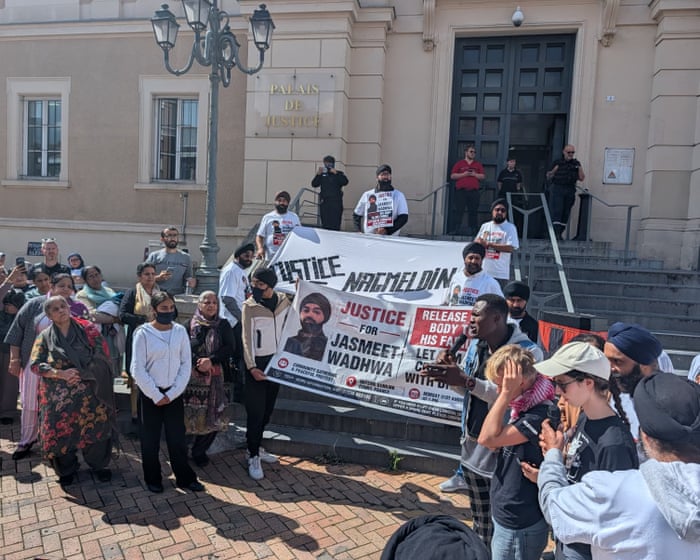
A British family is urging French authorities to release the body of their relative who died in the Channel.

A British family is urging French authorities to release the body of their relative who died in the Channel.

A British family is asking French authorities to release the body of their relative, which has been held for five months after he died in the Channel in April.

Jasmeet Wadhwa, 32, died on 1 April while trying to reach the UK on a small boat. He was with his mother, Harbans Kaur Wadhwa, after they fled Taliban persecution in Afghanistan in January this year.

They went through a tough two-month journey controlled by people smugglers before reaching northern France in mid-March. A man from Sudan, Nagmeldin Adam, 33, died on the same boat. Eight others were rescued, including Harbans Kaur Wadhwa.

Adam’s journey from Sudan included being held in Libya for a long time and many attempts to cross the Mediterranean to Europe. He finally reached France in December 2025.

At least 16 people have died trying to cross the Channel from France to the UK so far this year. The latest reported death was on Saturday, in a similar part of the French coast where the two men lost their lives in April.

Relatives of the two men protested on Monday outside the courthouse in Dunkirk, upset that French authorities have refused to release the bodies. Wadhwa’s relatives traveled from the UK to France to join the protest. Many people who die trying to cross the Channel are never publicly identified, and it’s rare to see family members stage this kind of demonstration.

Neither the French interior ministry nor the French police unit in charge of the bodies responded to questions from the Guardian about why there has been a delay in releasing the two men’s bodies.

Ivnit Singh Wadwa, Wadhwa’s cousin, traveled from his home in west London for the protest. “We shouldn’t have to fight to say goodbye,” said Wadwa. “We are very upset with the French judicial system. Our family is waiting for Jasmeet’s body so we can lay him to rest.”

After watching her son die on the boat, Harbans Kaur Wadhwa applied to the Home Office to come to the UK legally under the “one in, one out” scheme. This scheme sends one person who arrived in the UK on a small boat back to France, in exchange for accepting someone who has applied legally to come to the UK from northern France. She was hoping to join her family in the UK, who have offered to house and support her.

But the Home Office rejected her application, saying it didn’t meet the requirements because the identity document she submitted was not acceptable. Afghans usually have an identity document called a Tazkira.

The Home Office has been asked for comment on rejecting the application.

In an appeal on social media for the release of Jasmeet’s body, the family wrote: “A son. A brother. A life not forgotten. Help us bring Jasmeet back to his family. This is not about politics. It’s about a grieving mother being able to see her son one final time, it’s about a family being able to mourn.”

Frequently Asked Questions
Here is a list of FAQs based on the situation described ranging from basic questions about the event to more complex legal and procedural ones

1 What is the basic story here
A British family is asking French authorities to release the body of their relative who tragically died while attempting to cross the English Channel in a small boat

2 Why is the body being held in France
When a death occurs in French waters or on the French coast French authorities take legal custody of the body They hold it to conduct a formal investigation to confirm the cause of death and the persons identity

3 Why is the family saying urging them to release it
The family is frustrated by the delay They want to hold a funeral and begin the grieving process but they feel the French legal process is taking too long or lacks transparency so they are publicly appealing for speed

4 How long do French authorities usually keep a body in these cases
It varies In simple cases it might be a few weeks In complex caseslike mass casualty events on the Channelit can take several months because of the need for autopsies DNA testing and coordination with multiple countries

5 What is an inquest or autopsy and why does it delay things
An autopsy is a medical examination of the body to find out exactly how the person died Its a legal requirement in France for sudden or unnatural deaths The delay happens because these exams are scheduled by busy coroners and results may take weeks to finalize

6 Can the family request the body be sent to the UK before the investigation is over
Yes they can formally request it However French law generally requires the investigation to be completed first The family can hire a French lawyer to push the request but the prosecutor has the final say

7 What is a repatriation in this context
Repatriation is the formal process of transferring the deceased persons body from France back to the UK It usually requires a release certificate from the French authorities and a licensed international funeral director to handle the logistics

8 What legal rights do the family have in France
The family has the right to be informed of the investigations progress