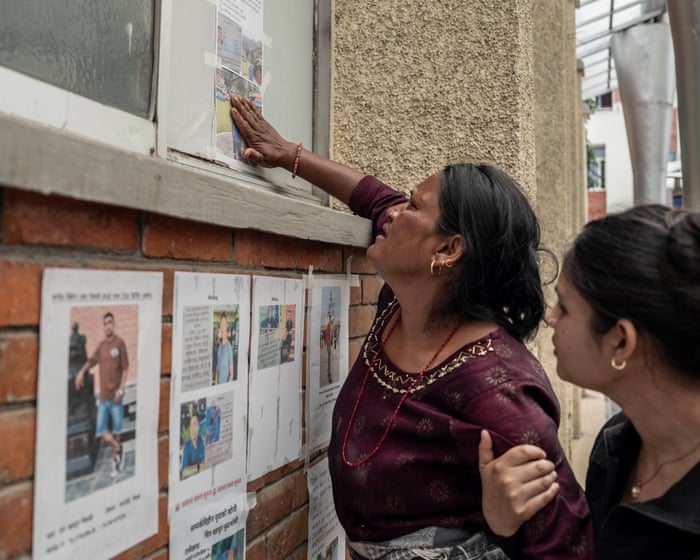
جدران المستشفى مغطاة بملصقات لأشخاص مفقودين، والغراء ما زال رطبًا تحتها. هناك تلميذة تبتسم بزيه المدرسي، وطفل سعيد بوجنتين ممتلئتين، وزوجان يتألقان في يوم زفافهما، وشاب يقف بفخر على قمة جبل واضعًا يديه على خصره، وفتاة صغيرة بشعر منسدل تطل من خلف باب. هذه الوجوه هي مجرد عينة صغيرة من آلاف الذين اختفوا منذ أن اجتاحت فيضانات مفاجئة مميتة جبال الهيمالايا ومسحت قرى بأكملها. بحلول صباح السبت، ارتفع عدد المفقودين إلى ما يقرب من 3000 في نيبال والتبت.
حتى الآن، انتشلت نيبال 669 جثة، لكن العديد من المناطق النائية لم يصل إليها إلا طائرات الهليكوبتر العسكرية التي تبحث عن ناجين. قال رجال الإنقاذ إنه من الصعب جدًا تخمين عدد الأشخاص الآخرين الذين قد يكونون مدفونين تحت الطين.
تحديد هوية القتلى يمثل أيضًا تحديًا هائلًا. في مدينة شيتوان النيبالية، امتلأت المشارح بالجثث، وتم إنشاء مبنى مؤقت لاستيعابها. بعض الجثث حملها قوة الفيضان بعيدًا في مجرى النهر لدرجة أنه تم العثور عليها في الهند المجاورة.
في مستشفى تريبهوفان الجامعي التعليمي في كاتماندو، عاصمة نيبال، تجمع أقارب يائسون آملين في الحصول على أي خبر. بعد أربعة أيام من الكارثة، ما زال الناس يتزاحمون حول مكتب الشرطة للإبلاغ عن أفراد عائلاتهم المفقودين. المئات من الجرحى يتعافون في أجنحة المستشفى، وكان الناس يفحصون قوائم المرضى بجنون، يائسين للعثور على أي علامة على أن أحباءهم ما زالوا على قيد الحياة.
مع توفر القليل من المعلومات وانقطاع المناطق المتضررة بشكل شبه كامل، لجأت العديد من العائلات إلى صنع ملصقات لطلب المساعدة. قال يافراج لاما إن أخته وزوجها وطفليهما فقدوا بعد أن جرفت قرية جايدادا في منطقة روساوا بالكامل. امتلأت عيناه بالدموع وهو يلصق صورة سيجان تاوونغ البالغ من العمر عامًا واحدًا—طفل محمول في أحضان أمه—على جدار المستشفى. صورة ساهيل البالغ من العمر 12 عامًا، أخيه، علقت بجانبها.
قال لاما: "نحن مخدرون، لا نملك كلمات للتعبير عن مدى حزننا وانزعاجنا. تركيزنا الأساسي هو محاولة العثور على الطفل سيجان. كان حلوًا وبريئًا جدًا؛ من المستحيل أن نفكر أنه لم يعد معنا." وأضاف: "لكن قريتهم بأكملها اختفت، لذلك لا أمل لدينا في أن أيًا منهم نجا."
مونيتا نيبالي، 22 عامًا، ولولت بحزن بينما تم تثبيت ملصق لزوجها المفقود فيشال نيبالي، 30 عامًا، على جدار المستشفى. تزوجا قبل ستة أشهر، وكانت وظيفته كسائق تأخذه غالبًا إلى الحدود بين نيبال والتبت. تحدثت معه قبل ساعة من ضرب الفيضانات، عندما كان في نزهة صباحية في روساوا. وعدها بالاتصال بها ذلك المساء، لكن هاتفه كان مغلقًا منذ ذلك الحين.
قالت: "لا أريد أن أعيش على هذه الأرض بدونه." قالت نيبالي إن أربعة أيام قد مرت، لكنها ما زالت تعتقد أن زوجها سيعود. "أشعر في قلبي أنه سيعود."
بالنسبة لبعض العائلات، كان حجم الفقدان أكبر من أن يستوعبه العقل. تولمايا تامانغ، 36 عامًا، جاءت إلى المستشفى ومعها ملصقات لبعض أفراد عائلتها الاثني عشر، بما في ذلك ابنة أخيها البالغة من العمر خمسة أشهر، الذين يعيشون في قرية في روساوا ولم يُروا منذ الفيضانات. قالت: "عائلتنا تحت ضغط هائل. الكثيرون رحلوا، وأولئك الذين بقينا نكافح."
مع تلاشي آمال بقائهم على قيد الحياة، قالت تامانغ إنهم الآن يأملون فقط في العثور على الجثث. قالت: "لو كانت لدينا الجثث، فعلى الأقل كان يمكننا أن نجد السلام. وإلا، فلن تتوقف العائلة عن التساؤل أبدًا، وهذا الألم سيستمر لفترة طويلة جدًا."
ما لا يقل عن 900 من المفقودين كانوا يعملون في مشاريع الطاقة الكهرومائية الكبيرة على طول ممر نهر تريشولي، في أعالي جبال الهيمالايا، والتي دمرتها الفيضانات والانهيارات الطينية. كان العديد من العمال عمالًا منخفضي الأجر، بما في ذلك ما لا يقل عن 63 من الهند.
عرض الصورة بالحجم الكامل
جندي نيبالي ينقذ ناجيًا من نفق للطاقة الكهرومائية في منطقة راسوا، نيبال. الصورة: نشرة الجيش النيبالي/وكالة الصحافة الأوروبية
يوم الجمعة، أظهرت لقطات دراماتيكية جنودًا نيباليين يسحبون عدة ناجين عبر جدار سميك من الطين من نفق في مشروع تريشولي-1 للطاقة الكهرومائية. قال الجيش النيبالي إنهم يعتقدون أن ما لا يقل عن 100 شخص آخرين ما زالوا محاصرين داخل الأنفاق، بالإضافة إلى عشرات آخرين محاصرين تحت الأرض في محطة تريشولي-3 للطاقة الكهرومائية.
من بين المفقودين كان سوجان نيبالي البالغ من العمر 24 عامًا، الذي كان قد أنهى للتو نوبته الليلية في مشروع الطاقة الكهرومائية وكان نائمًا في سريره عندما اندفع جدار الماء إلى أسفل الوادي. في مركز الصدمات بالمستشفى في نيبال، كانت أخته سوشيشا مالووار تعود يوميًا بقلق للتحقق مما إذا كان اسمه مدرجًا.
قالت: "لم نفقد الأمل. نحن نكتب اسمه في المستشفيات ونضع صوره في كل مكان، آملين أن نجده في مكان ما. ربما تم إنقاذه بالفعل. ربما تمكن من الهروب والنجاة."
**الأسئلة الشائعة**
فيما يلي قائمة بالأسئلة الشائعة بناءً على العنوان الرئيسي بأسلوب طبيعي وواضح وغني بالمعلومات
**الأسئلة الشائعة: القرية المختفية - البحث في مستشفى كاتماندو**
1. ماذا يعني العنوان "قريتهم بأكملها اختفت"؟
يعني أن قرية معينة، على الأرجح في منطقة جبلية نائية في نيبال، قد دمرت بالكامل أو دفنت، على الأرجح بسبب انهيار أرضي أو انهيار جليدي. الهياكل المادية والمعالم اختفت، مما يجعلها تبدو وكأن القرية اختفت ببساطة من الخريطة.
2. لماذا يتم البحث في مستشفى في كاتماندو؟
كاتماندو هي العاصمة وتضم المستشفيات الرئيسية والمتخصصة في نيبال. عندما تحدث كارثة في منطقة نائية، يتم نقل الناجين المصابين بجروح خطيرة جواً مباشرة إلى كاتماندو لتلقي الرعاية الطبية المتقدمة. يشير البحث في المستشفى إلى الفرق الطبية التي تحاول تحديد هوية المرضى ومطابقتها مع تقارير المفقودين وفرز تدفق الإصابات.
3. ما نوع الكارثة التي يمكن أن تتسبب في اختفاء قرية بأكملها؟
الأسباب الأكثر شيوعًا هي الانهيارات الأرضية الضخمة الناجمة عن الأمطار الموسمية الغزيرة أو فيضان بحيرة جليدية. في جبال الهيمالايا المرتفعة، يمكن للزلازل أيضًا أن تسبب انهيارات جليدية تدفن مستوطنات بأكملها تحت أطنان من الصخور والجليد.
4. كيف تجد فرق الإنقاذ الناجين إذا كانت القرية مدفونة؟
يستخدمون مجموعة من الأساليب: كلاب البحث التي تكتشف رائحة البشر، والطائرات بدون طيار المزودة بكاميرات حرارية لاكتشاف حرارة الأجسام، وأجهزة الاستماع الصوتية لالتقاط أصوات الأشخاص المحاصرين تحت الأنقاض. كما يعتمدون على المعرفة المحلية بمكان وجود المنازل والملاجئ المجتمعية.
5. سمعت أنهم يبحثون عن مفقودين. كيف يعرفون من المفقود إذا كانت القرية قد اختفت؟
قبل الكارثة، كان لدى السلطات المحلية وأفراد العائلات سجلات لمن يعيش هناك. بعد الحدث، يستخدمون قائمة المفقودين التي تم تجميعها من مكالمات الأقارب الذين لم يتمكنوا من الوصول إلى أحبائهم، بالإضافة إلى بيانات التعداد المحلي وسجلات الحضور المدرسي.
6. لماذا يصعب جدًا إيصال فرق الإنقاذ إلى القرية؟
هذه القرى غالبًا ما تكون في مواقع نائية جدًا على ارتفاعات عالية دون وصول عبر الطرق. الطريقة الوحيدة للوصول هي بطائرة الهليكوبتر، والطقس السيئ والغيوم المنخفضة وخطر الانهيارات الأرضية الإضافية غالبًا ما تمنع طائرات الهليكوبتر من الطيران لأيام، مما يؤخر البحث.
7. ما هي التحديات الرئيسية التي يواجهها الأطباء في كاتماندو الآن؟
التحديات الرئيسية هي التعامل مع الإصابات الخطيرة