The governor of Iran’s historic city of Isfahan has accused the US and Israel of declaring “war on a civilization,” following damage to heritage sites during recent bombings.
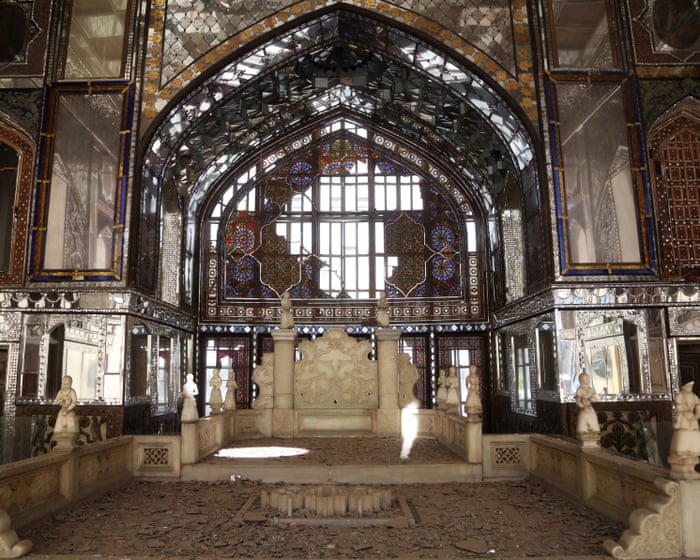
The most significant confirmed damage so far has been to Tehran’s 14th-century Golestan Palace and Isfahan’s 17th-century Chehel Sotoon Palace. Based on videos and official reports, neither building suffered a direct missile hit, but shockwaves from nearby explosions—and possibly falling debris—shattered windows and damaged tiles and masonry.
Footage from Golestan Palace showed its famous hall of mirrors in ruins, with pieces of intricate mirrorwork scattered across the floor. The palace is a UNESCO World Heritage site, and the UN cultural agency expressed concern after the March 2nd damage, noting it had shared the coordinates of all protected sites with relevant parties.
In recent days, major explosions have shaken central Isfahan—a capital during three historical eras—where much of the architecture dates to the Safavid dynasty (16th–18th centuries). Chehel Sotoon was hit hardest, but other landmarks around the vast Naqsh-e Jahan Square, including Ali Qapu Palace and several mosques, also reported broken windows, doors, and dislodged tiles. Videos taken by residents showed smoke rising from nearby airstrikes.
Isfahan’s governor, Mehdi Jamalinejad, stated that the damage occurred even after the coordinates of historic sites were shared with warring parties and protective “blue shield” symbols—marking cultural treasures under the 1954 Hague Convention—were placed on key buildings.
“Isfahan is not an ordinary city; it’s a museum without a roof,” Jamalinejad said in a social media post. “This was not done in previous conflicts—not during the Afghan wars, the Mughal conquest, or even the Iran-Iraq war.”
He added, “This is a declaration of war on a civilization. An enemy with no culture disregards cultural symbols. A country with no history shows no respect for historical signs. A country with no identity places no value on identity.”
An Iranian geologist who worked in Isfahan for years noted the city’s particular vulnerability in a message to the Guardian: “Isfahan has long been attacked from below by land subsidence, which is destroying Safavid-era structures, and now from above by the Americans. Isfahan seems to have fewer friends than ever today.”
Frequently Asked Questions
Of course Here is a list of FAQs about the reported damage to ancient heritage sites in Iran framed in a natural tone with direct answers
BeginnerLevel Questions
1 What happened
Recent airstrikes attributed to the US and Israel have reportedly caused damage to several ancient and historical sites across Iran sparking international concern and dismay
2 Which specific sites were damaged
While official assessments are ongoing reports have indicated damage to sites in various regions These include the Takhte Soleyman the Isfahan region and areas near Persepolis The full extent is still being evaluated
3 Why is this such a big deal
These sites are not just Iranian heritage they are part of humanitys shared history They represent thousands of years of civilization art and culture Their destruction means irreplaceable loss for all people akin to losing pages from the collective story of humankind
4 Isnt this just about old buildings
No These sites are active touchstones of cultural identity ongoing scholarship and tourism They are physical connections to the past that teach us about urban planning engineering art and religion Their loss diminishes our understanding of human development
5 Are there laws against this
Yes The 1954 Hague Convention for the Protection of Cultural Property in the Event of Armed Conflict and its protocols explicitly prohibit targeting cultural heritage Many countries including the US are signatories Deliberate destruction can be considered a war crime
Advanced Practical Questions
6 How is the damage being assessed
Teams from Irans Cultural Heritage Organization potentially with UNESCO will conduct onground and possibly satellitebased surveys They will document structural damage check for contamination from munitions and assess the stability of remaining structures
7 What are the main risks to these sites after an attack
Beyond direct blast damage risks include
Structural instability leading to collapse
Vibration damage to fragile mosaics plaster and ancient bricks
Fire from subsequent explosions or debris
Looting and vandalism in the chaos following an attack
Longterm environmental damage from pollutants