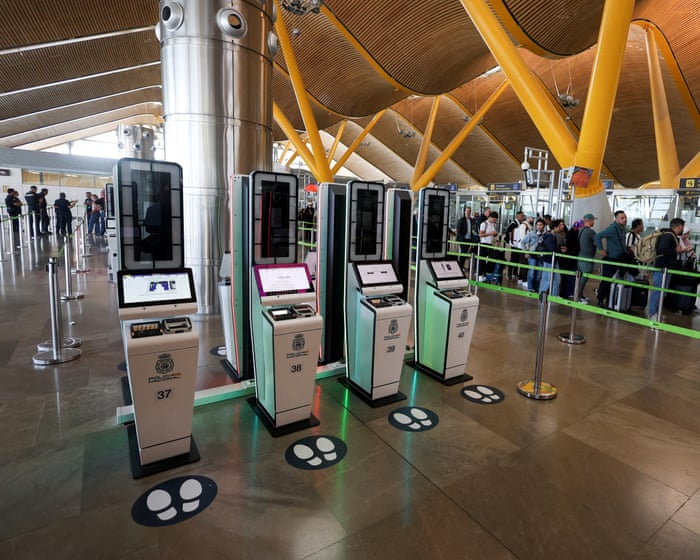
Travellers heading to the EU might see border queues return, as the temporary flexibility allowing the bloc’s new entry-exit system to be paused is officially over—though many sources suggest some member states won’t enforce the biometric checks anyway.
Last week, airlines urged the European Commission to keep giving them the option to pause EES checks when needed until the end of 2026. That flexibility deadline passed on 6 September.
The peak holiday season didn’t bring back the long lines seen at some European airports in early summer, which at their worst caused many passengers to miss their flights. But the aviation and travel industry believes that chaos was only avoided because rules requiring biometric data—like fingerprinting for non-EU citizens—were relaxed.
While Brussels hasn’t extended that discretionary period, it looks like cross-Channel travellers to France won’t see changes next week, due to technical issues with the EES software the French authorities ordered.
The fingerprinting kiosks, which Eurotunnel, the Port of Dover, and Eurostar at London St Pancras spent heavily on, still aren’t working. Dover said it doesn’t expect any changes next week, and car drivers haven’t been subject to EES checks yet.
A Eurotunnel spokesperson said they’re “waiting for confirmation from the French authorities on when this next phase will start,” but they’re “ready to roll out full biometric checks as soon as we get formal approval.”
A Eurostar spokesperson added: “The phased rollout of EES is ongoing. Enrolments will still be done manually by border officers.”
A senior airline source said that while they’d be watching closely, they don’t expect full enforcement at the busiest European airports. Border officials in major tourist spots, especially Greece, seem to have quietly exempted UK passengers from EES checks to avoid queues. The source expects that to continue.
Luke Petherbridge, director of public affairs at the UK travel trade body Abta, said they’re still pushing the European Commission to allow border checks to be suspended at their discretion beyond September, “recognising that there’s still a long way to go before EES is fully and consistently working across all participating countries.”
The airlines’ trade body Iata has called for an official extension, noting last week that EES-related delays have caused people to miss flights and connections.
Thomas Reynaert, head of external affairs at Iata, said: “These are real problems passengers are facing. It gives Europe a bad reputation. When systems fail, passengers lose trust, and when people are late, airlines pay a heavy price.”
The European Commission declined to comment further. A spokesperson said earlier last week: “We’re in close and constructive contact with the few member states where adjustments are needed at certain border points. During the extra period needed for operational adjustments at these specific crossings, the commission is ready to offer additional support to those member states.”
Frequently Asked Questions
Here is a list of FAQs regarding the end of the flexible border check rules in the EU written in a natural and clear tone
General Definitions
Q I heard the flexible border rules ended What does that actually mean
A During the pandemic and other crises the EU allowed countries to be more relaxed about checking passports and ID cards at internal borders Those temporary rules have now expired so countries must go back to the strict standard checks they used before
Q What is the Schengen Area and why does this matter for it
A The Schengen Area is a group of European countries that normally have no passport checks between them The end of the flexible rules means that if a country has a temporary border check in place they have to apply the full strict procedure again which takes longer
Q Does this mean I need a visa now if I didnt need one before
A No not at all This is about how long the checks take not whether you are allowed to enter Your visa requirements remain exactly the same
Benefits Impact
Q What was the benefit of the flexible rules
A The main benefit was speed They allowed border guards to do spot checks or rely on electronic data instead of physically stamping and scrutinizing every single passport This kept lines moving quickly during peak travel seasons or emergencies
Q What is the benefit of going back to strict checks
A The benefit is increased security By physically checking every passport against databases authorities can better catch people using fake documents those with outstanding arrest warrants or individuals who have overstayed their 90day limit
Q Im flying from the US to Paris Will I be affected
A Yes possibly Even though you are entering the Schengen Area from outside the stricter rules have a knockon effect Because internal borders are slower more police and guards are assigned there which can mean fewer staff at the external entry points leading to longer queues for everyone arriving
Common Problems Practical Tips
Q Im traveling by train from Amsterdam to Brussels next week Should I expect a delay